High-torque servo solutions, closed-loop stepper motors, and micro-precision gear units engineered for mission-critical industrial automation systems.
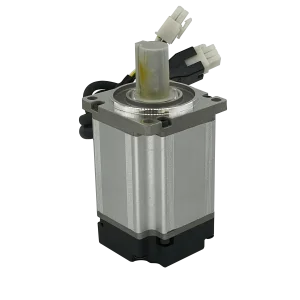
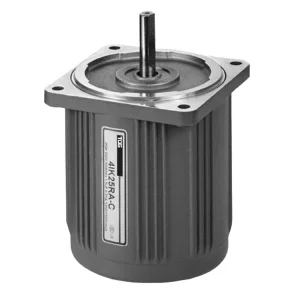
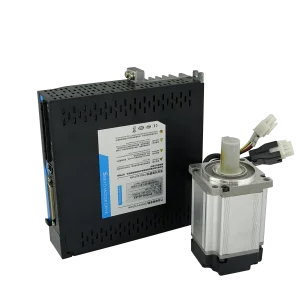
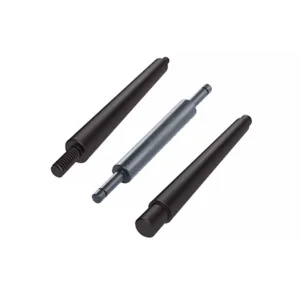
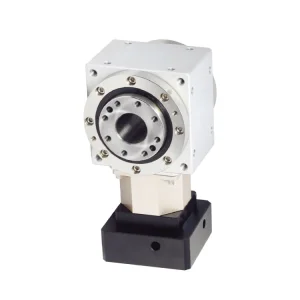
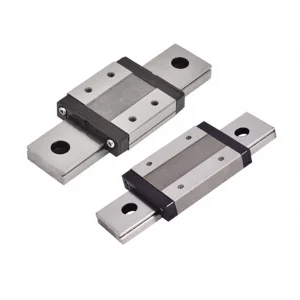
In the rapidly evolving landscape of global industrial automation, the selection of motion control components dictates the boundaries of machine speed, payload capacity, and positioning accuracy. Boxtop Electromechanical Equipment (shenzhen) Co., Ltd., operating from Shenzhen, China, stands at the vanguard of this engineering domain. For more than two decades, Boxtop has bridged the gap between basic component manufacturing and advanced application engineering, developing an extensive portfolio of precision planetary gearboxes, worm gear reducers, helical gear units, and high-efficiency AC/DC and brushless motors.
By maintaining complete control over both the electromagnetic design of our motor windings and the high-tolerance machining of our internal speed reducers, Boxtop offers modular, ready-to-install micro-drives. This tight integration ensures minimized torque ripple, optimized thermal dissipation, and matching impedance parameters between the drive amplifiers and the motor windings—a critical factor for international OEMs seeking plug-and-play mechanical sub-assemblies.
Our facility is systematically engineered around CNC gear-hobbing lines utilizing premium German KOEPFER and Japanese HAMMI gear cutters. This enables our engineering team to control lead angle errors, runouts, and involute profiles within sub-micron tolerances, maintaining backlash values under 3 arc-minutes for high-precision planetary lines and down to zero-backlash for industrial harmonic gearboxes.
Selecting between servo motors and stepper motors requires a comprehensive analysis of the load dynamics, system stability, control interface, and life-cycle cost constraints. While both classes are electromagnetic actuators that transform electrical signals into mechanical rotary motion, their operating physics, feedback loops, and torque-speed curves diverge dramatically.
Servo Motors operate under a closed-loop system governed by continuous PID (Proportional-Integral-Derivative) algorithm feedback. Typically containing a high-resolution encoder (optical or magnetic, ranging from 2,500 lines to 23-bit absolute systems), the servo drive constantly monitors the physical position, speed, and current draw of the rotor. This allows the system to adjust current vectors in real-time to correct any deviation from the target motion profile. Consequently, servo systems never suffer from "lost steps" and can dynamically deliver maximum peak torque (often up to 300% of the continuous rated torque) to accelerate heavy loads during transient cycles.
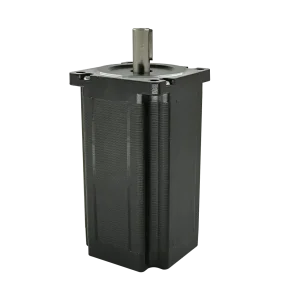
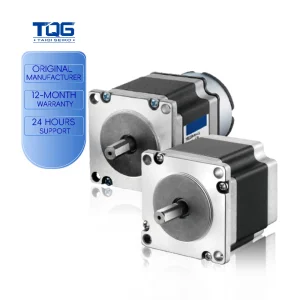
Stepper Motors, traditionally open-loop devices (such as the classic NEMA 34 or NEMA 23 series), move in discrete angular increments (typically 1.8° or 0.9° per step). The stator phases are sequentially energized by the driver without tracking the actual position of the rotor. While this structure is cost-effective, straightforward to implement, and eliminates the need for complex PID tuning, it carries inherent operational risks: if the mechanical load exceeds the motor's holding torque, the rotor will fall out of sync, leading to cumulative positioning errors.
| Performance Metric | Standard AC/DC Servo Motors | Hybrid Stepper Motors (Open-Loop) | Integrated Closed-Loop Steppers |
|---|---|---|---|
| Positioning Accuracy | Ultra-high (determined by high-res encoder) | Limited to physical step size (±5% non-cumulative) | High (corrected by encoder feedback) |
| Torque at High Speeds | Excellent (flat torque curve up to 3000+ RPM) | Poor (torque drops sharply above 600 RPM) | Moderate (improved high-speed range via current control) |
| Holding Torque | Requires active current/brake to hold position | Extremely high holding torque at zero speed | Extremely high holding torque at zero speed |
| System Heat & Efficiency | Low (current dynamically adjusted to match load) | High (continuous max current regardless of load) | Low-to-moderate (dynamic current scaling enabled) |
| System Cost & Complexity | Premium cost; requires tuning and feedback wiring | Low cost; plug-and-play setup | Moderate cost; minimal tuning required |
The velocity-torque profile is a crucial differentiator. Stepper motors exhibit their maximum torque at standstill. As the rotation speed increases, the inductive reactance of the stator windings increases, which restricts the flow of phase current and causes the available torque to decay rapidly. At speeds above 1,000 RPM, a stepper motor may retain less than 20% of its rated holding torque. Conversely, AC servo motors maintain a virtually flat torque curve up to their rated speed (often 3,000 RPM or higher), making them the ideal choice for high-speed indexing, continuous high-velocity material handling, and applications requiring sustained dynamic power output.
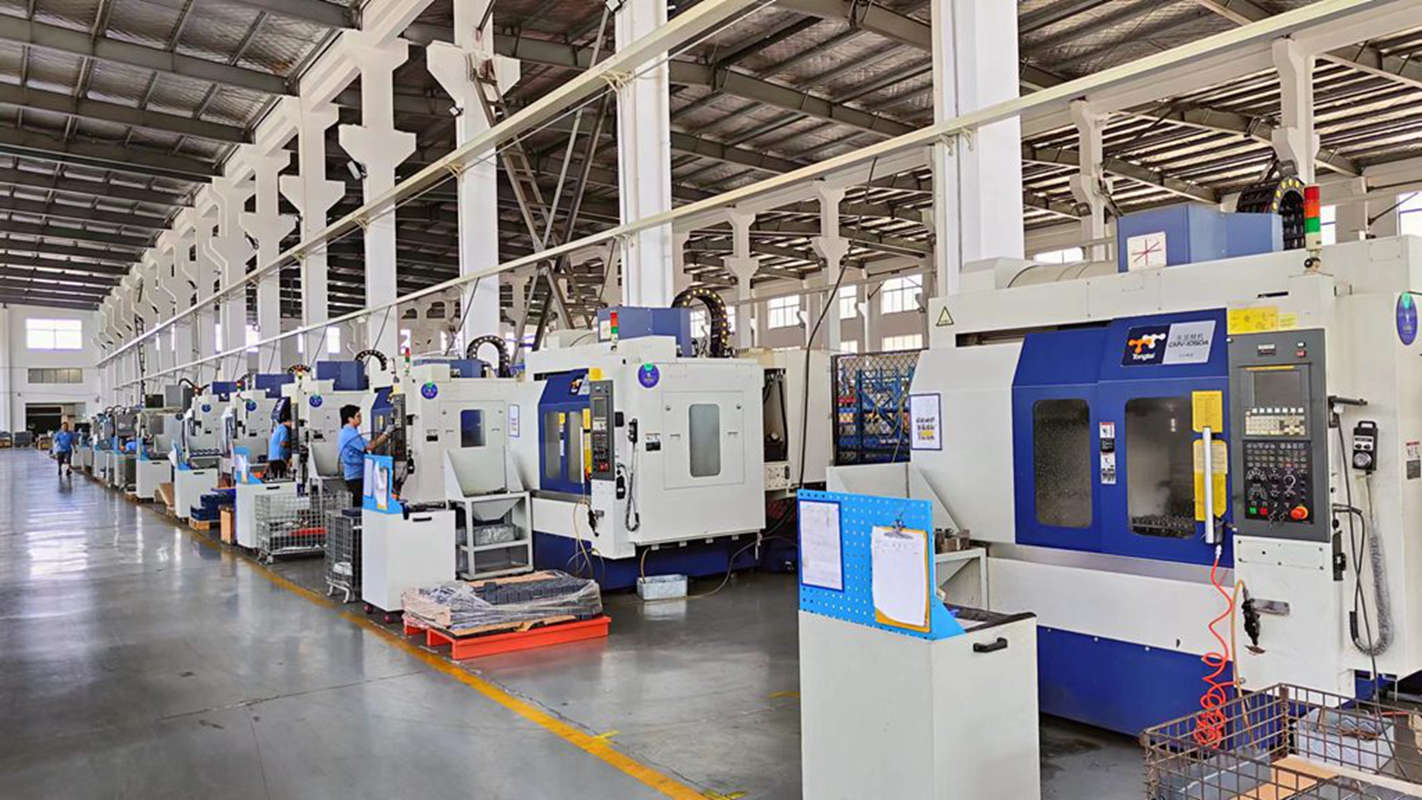
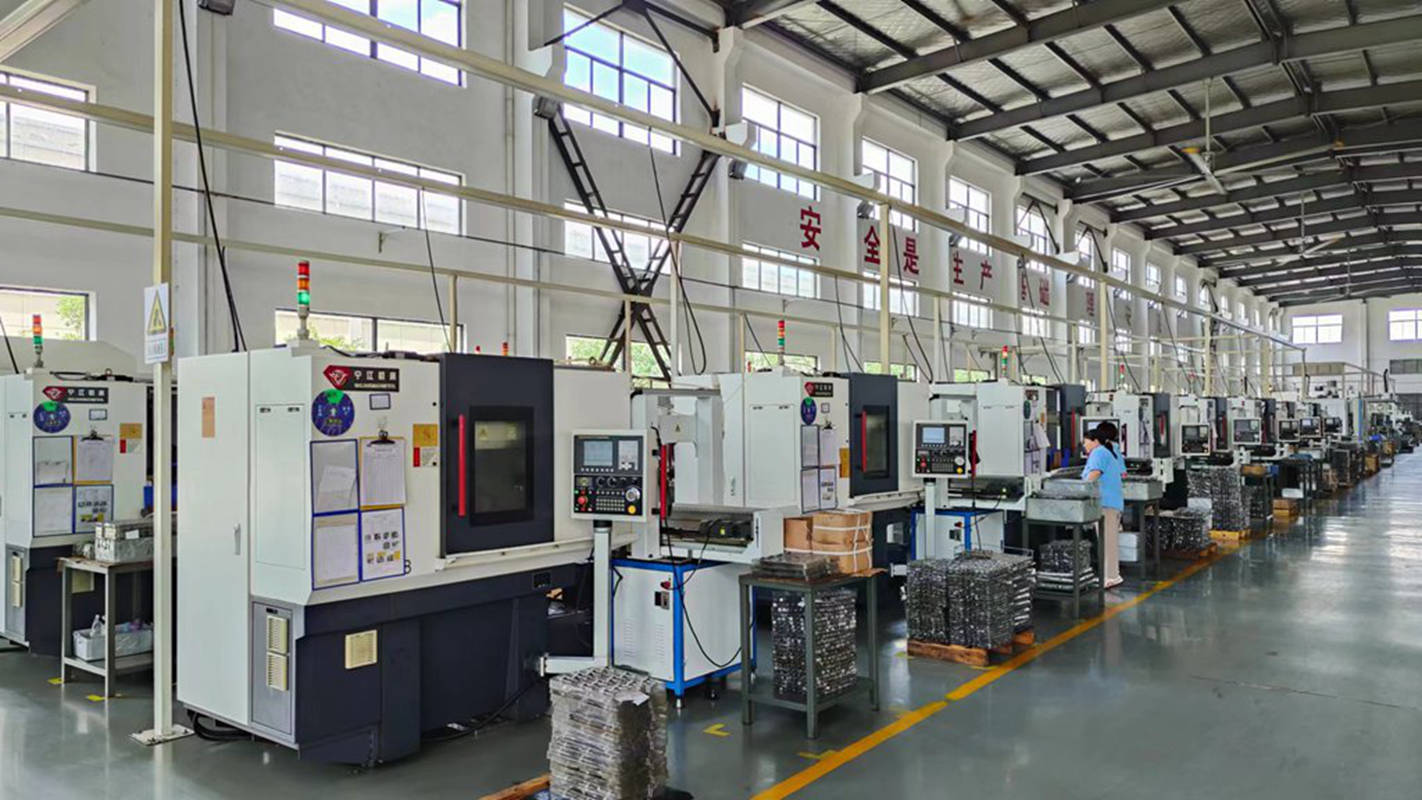
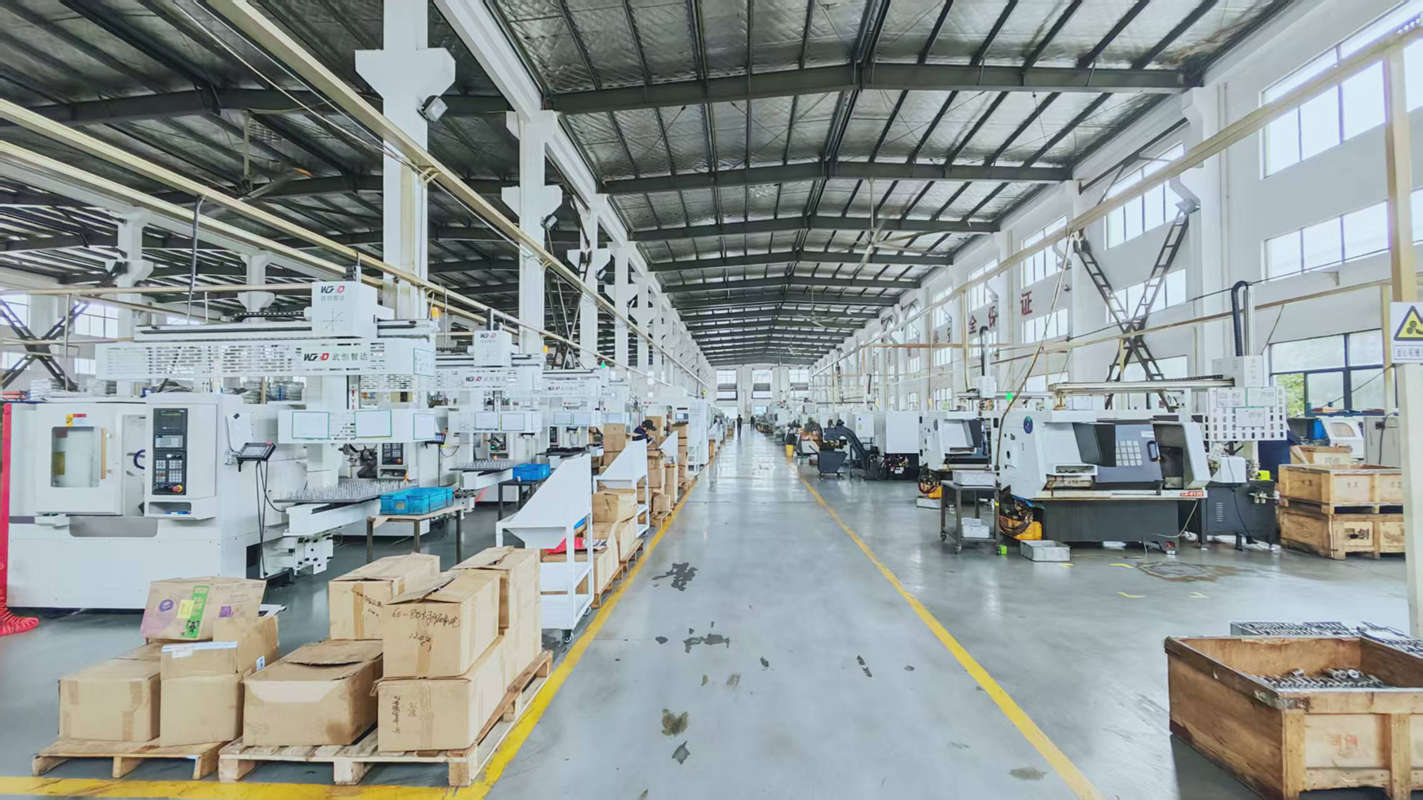
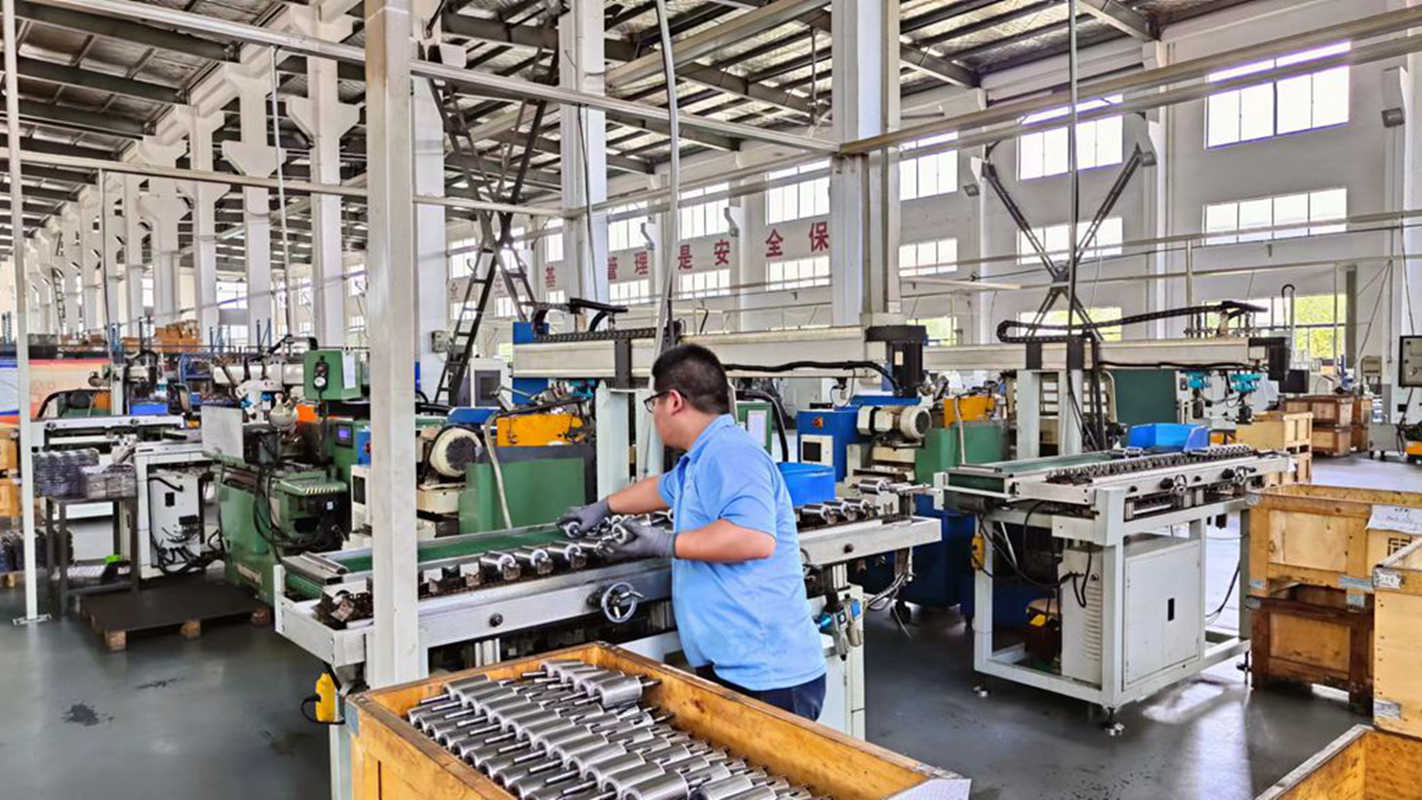
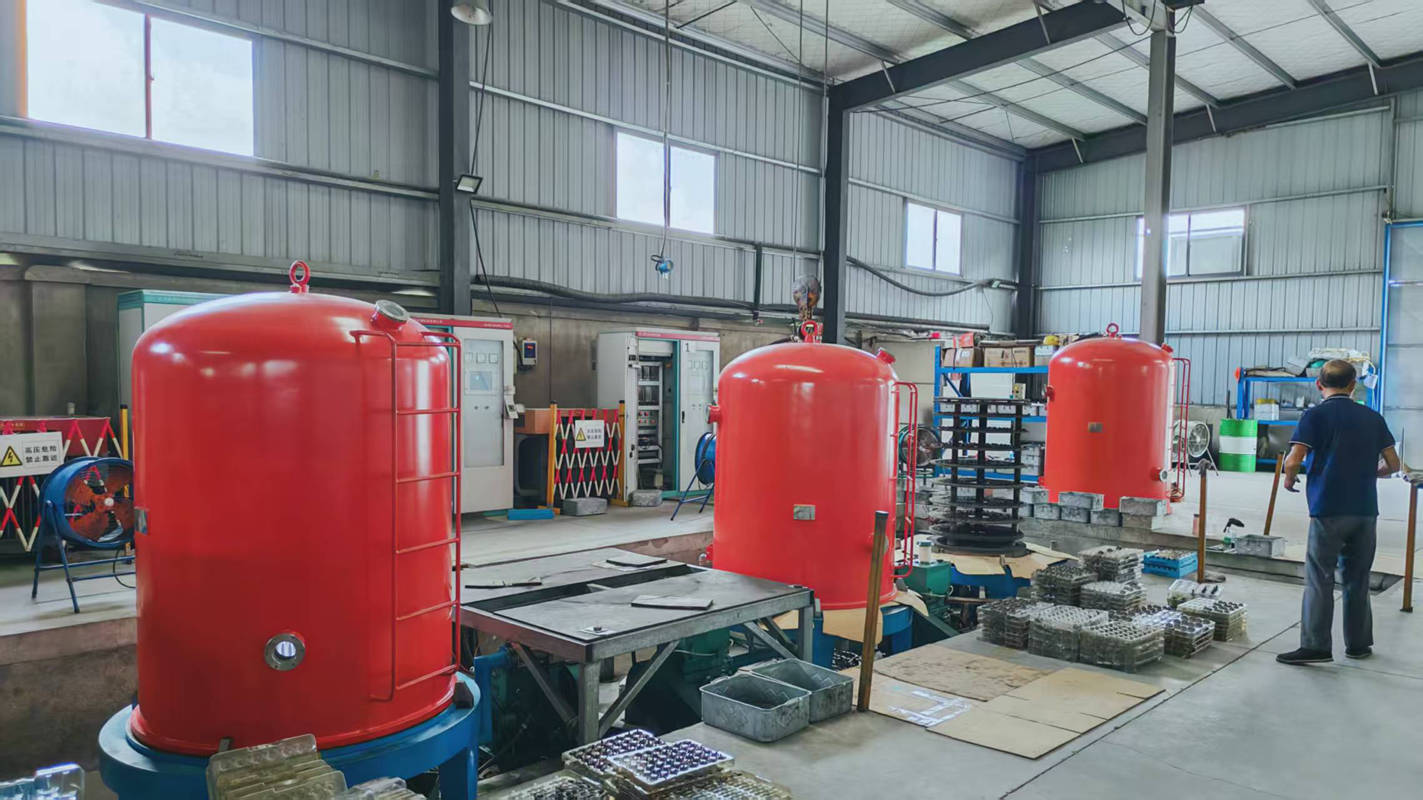
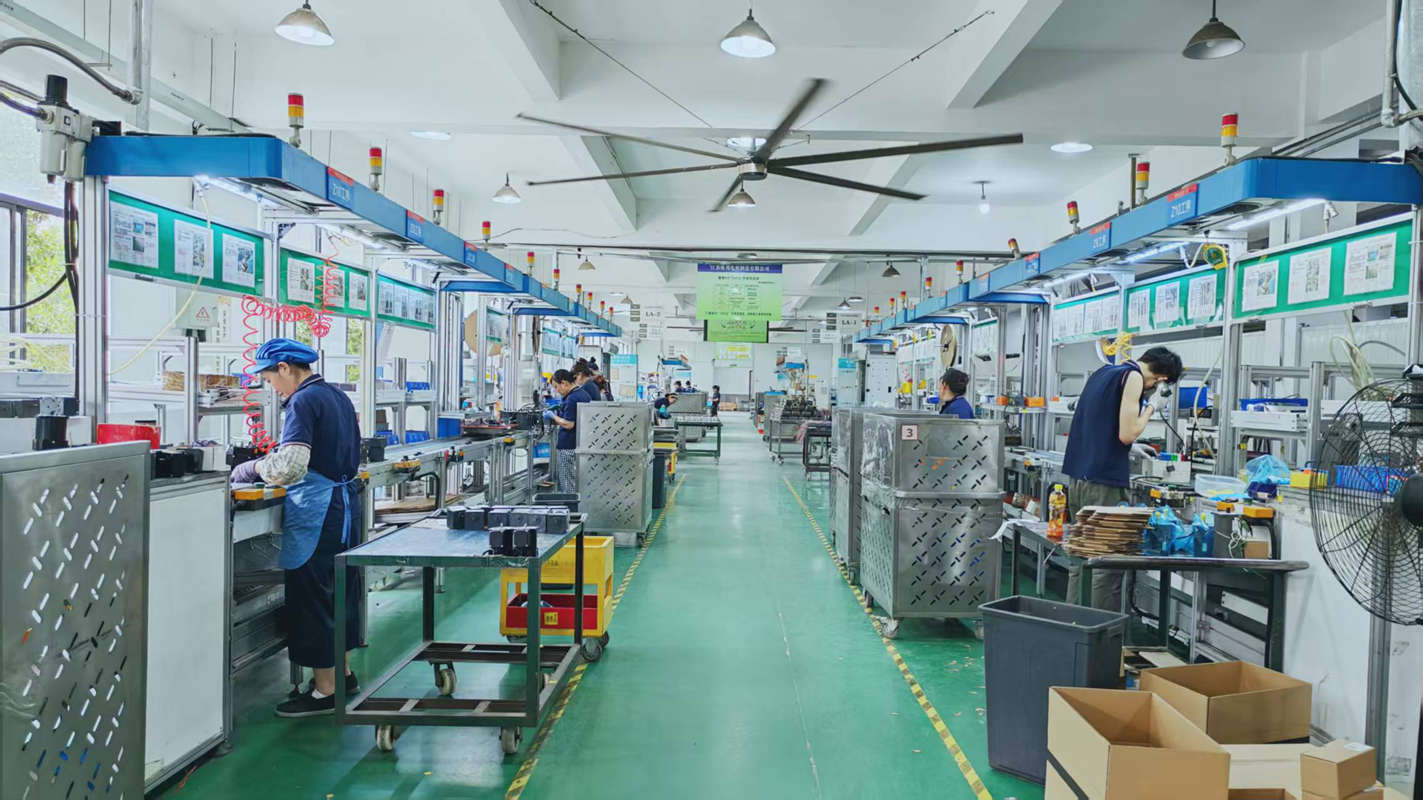
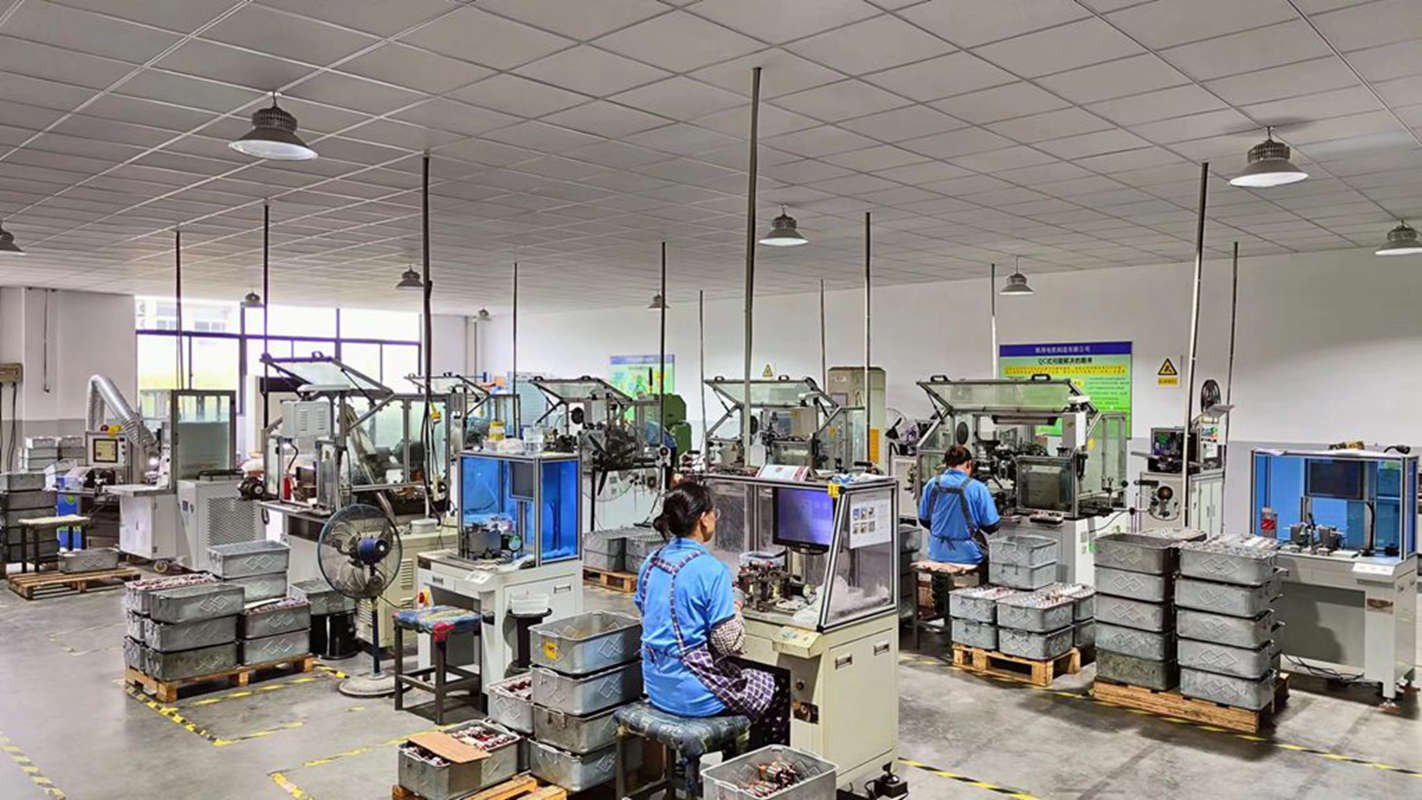
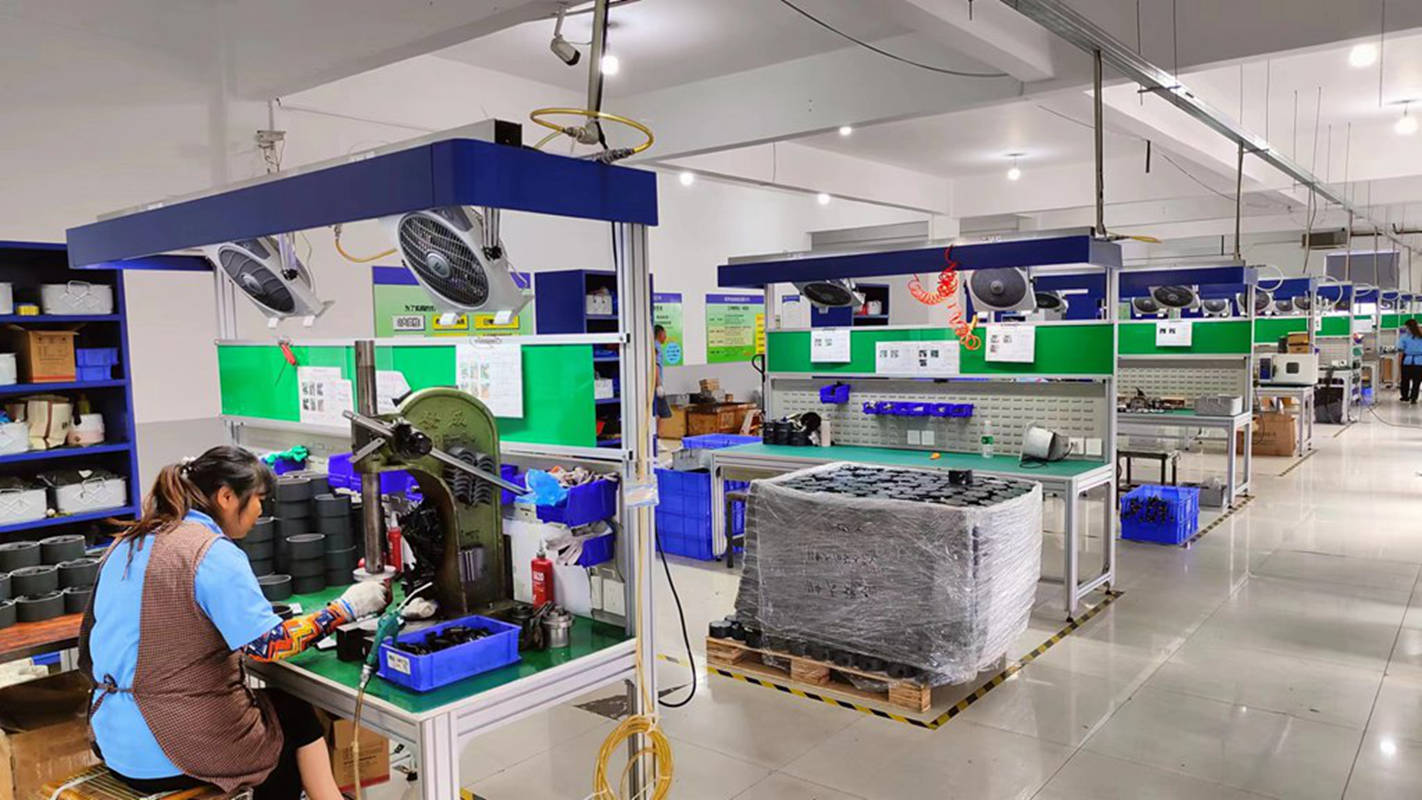
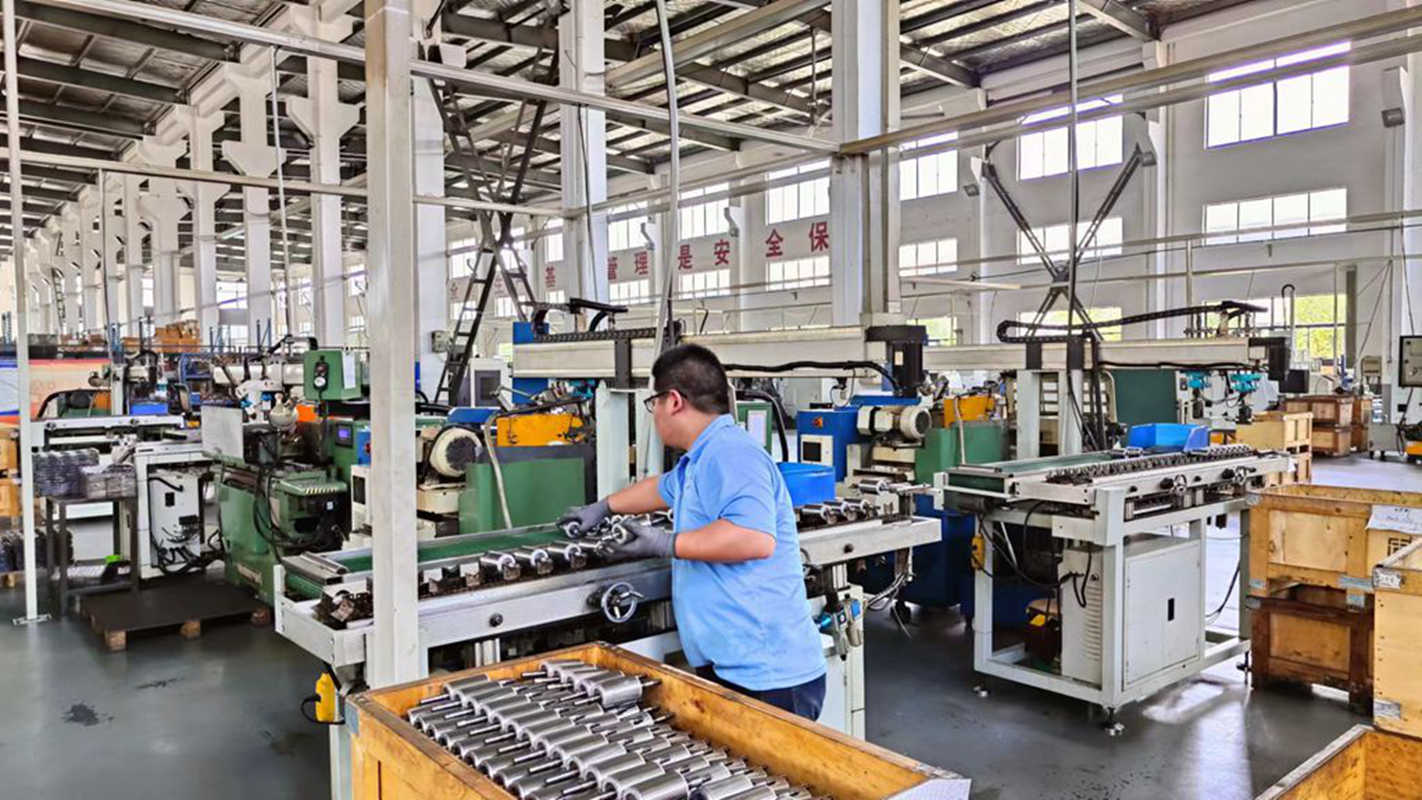
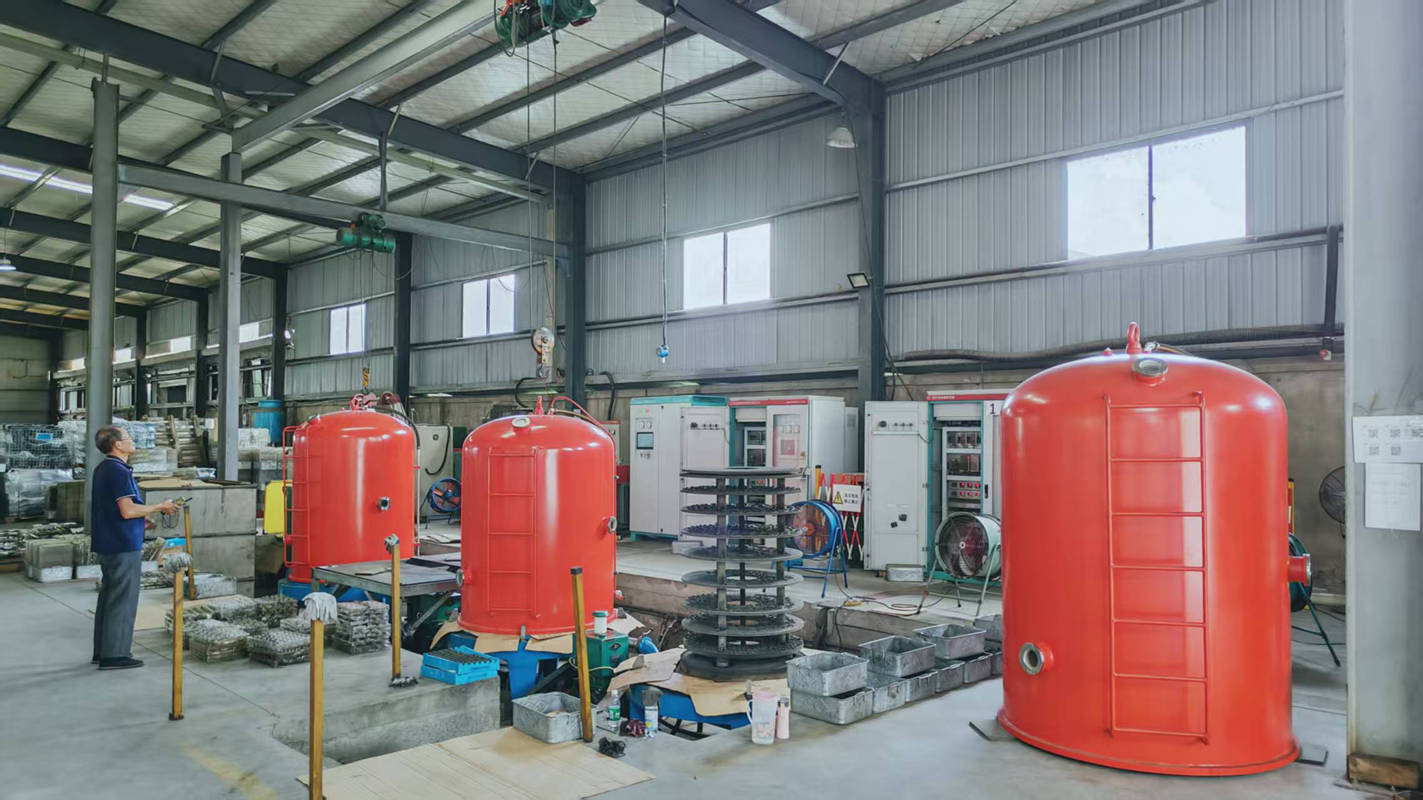
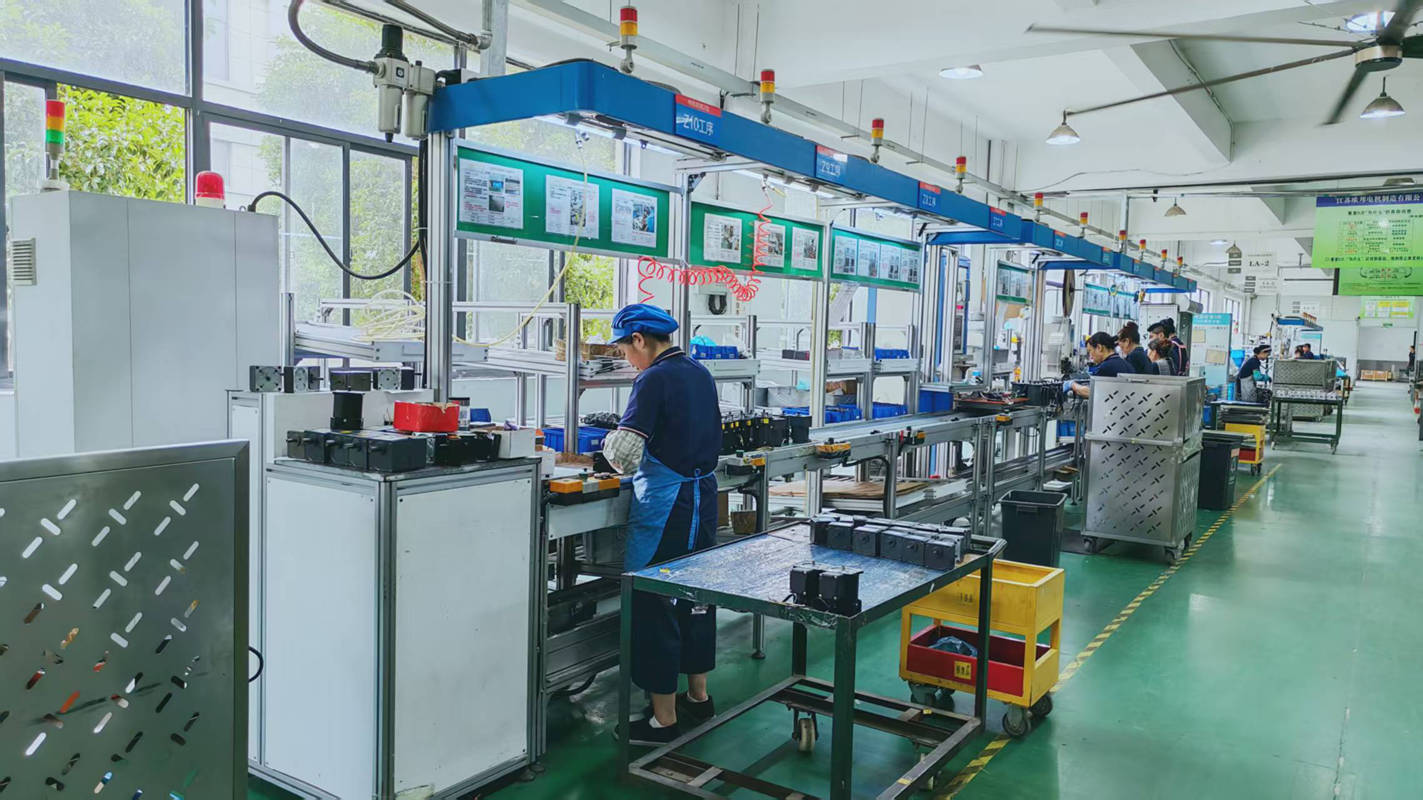
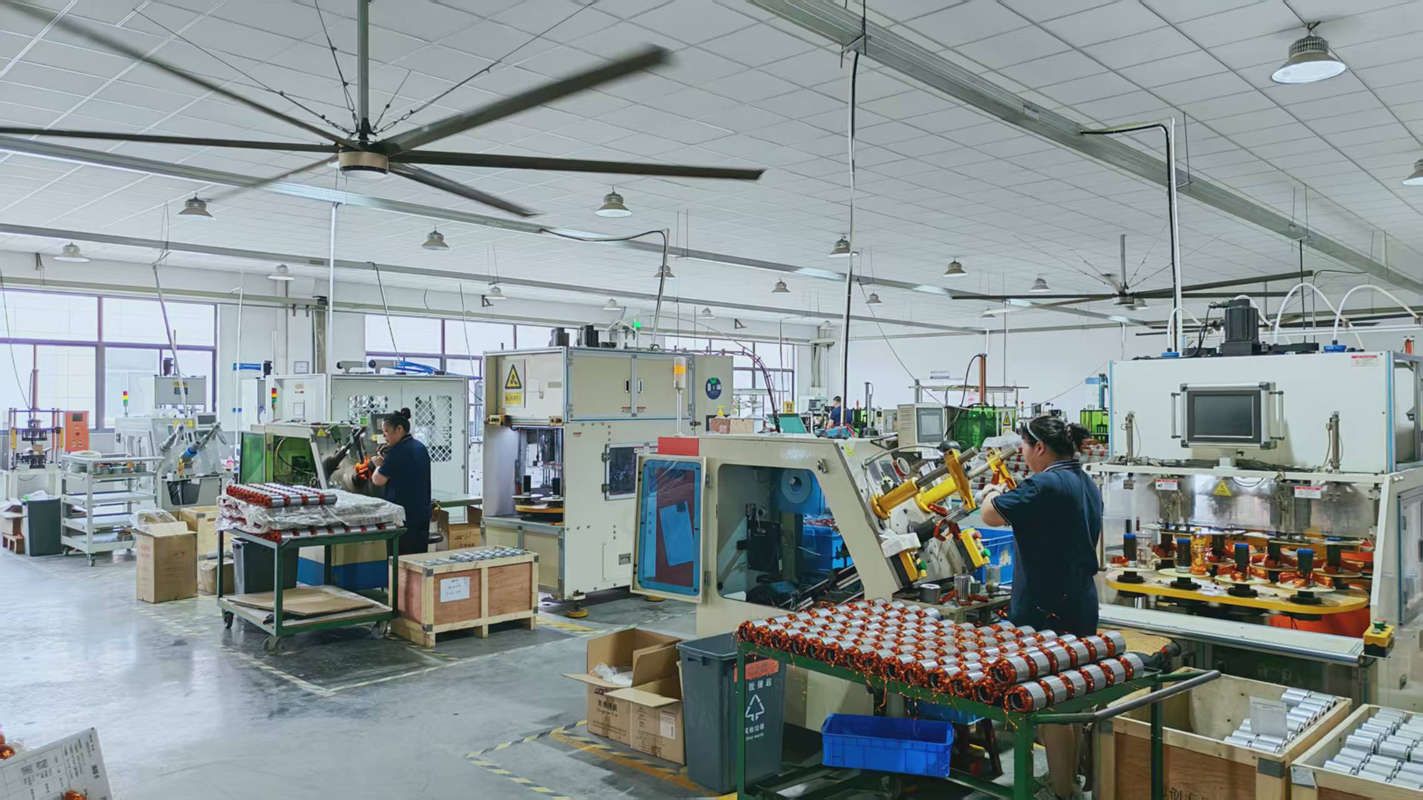
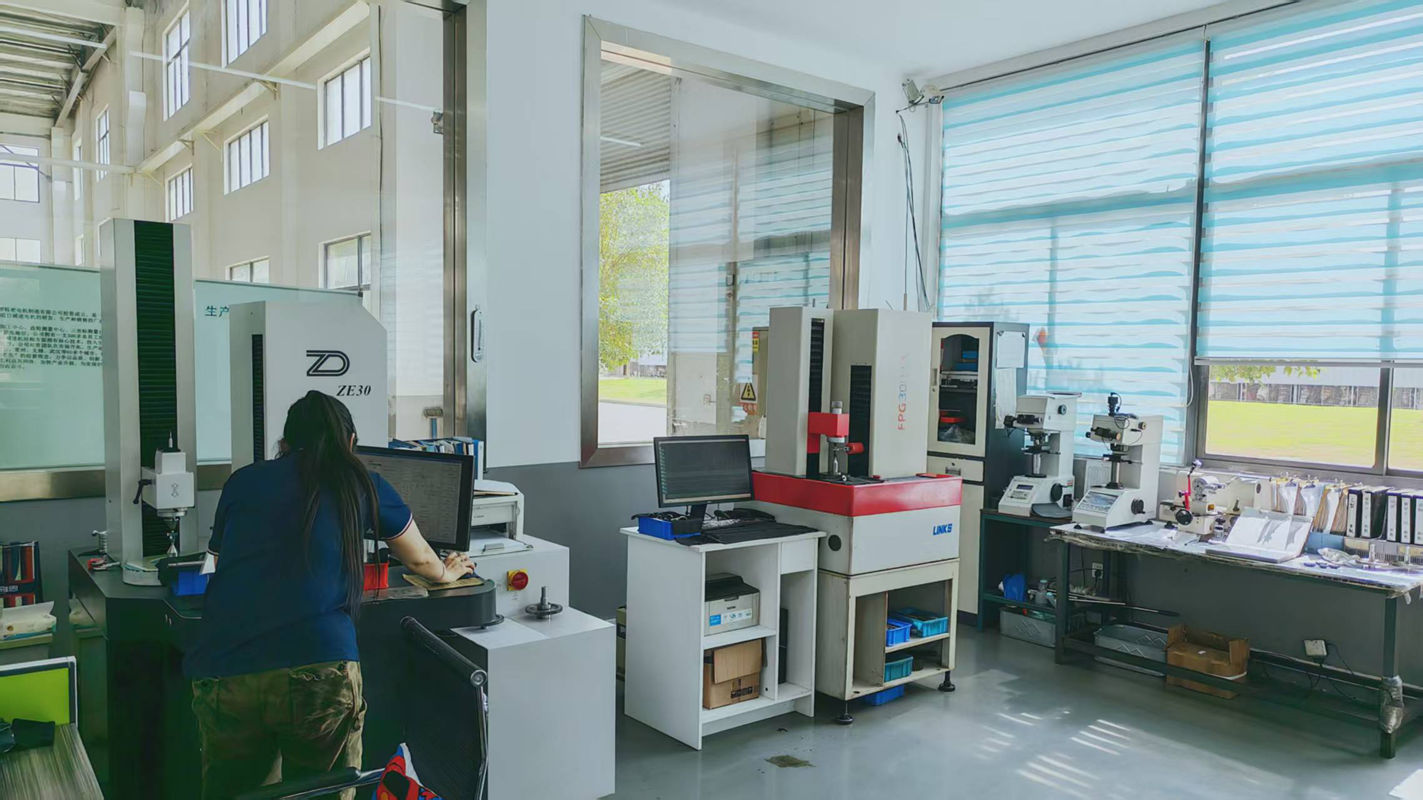
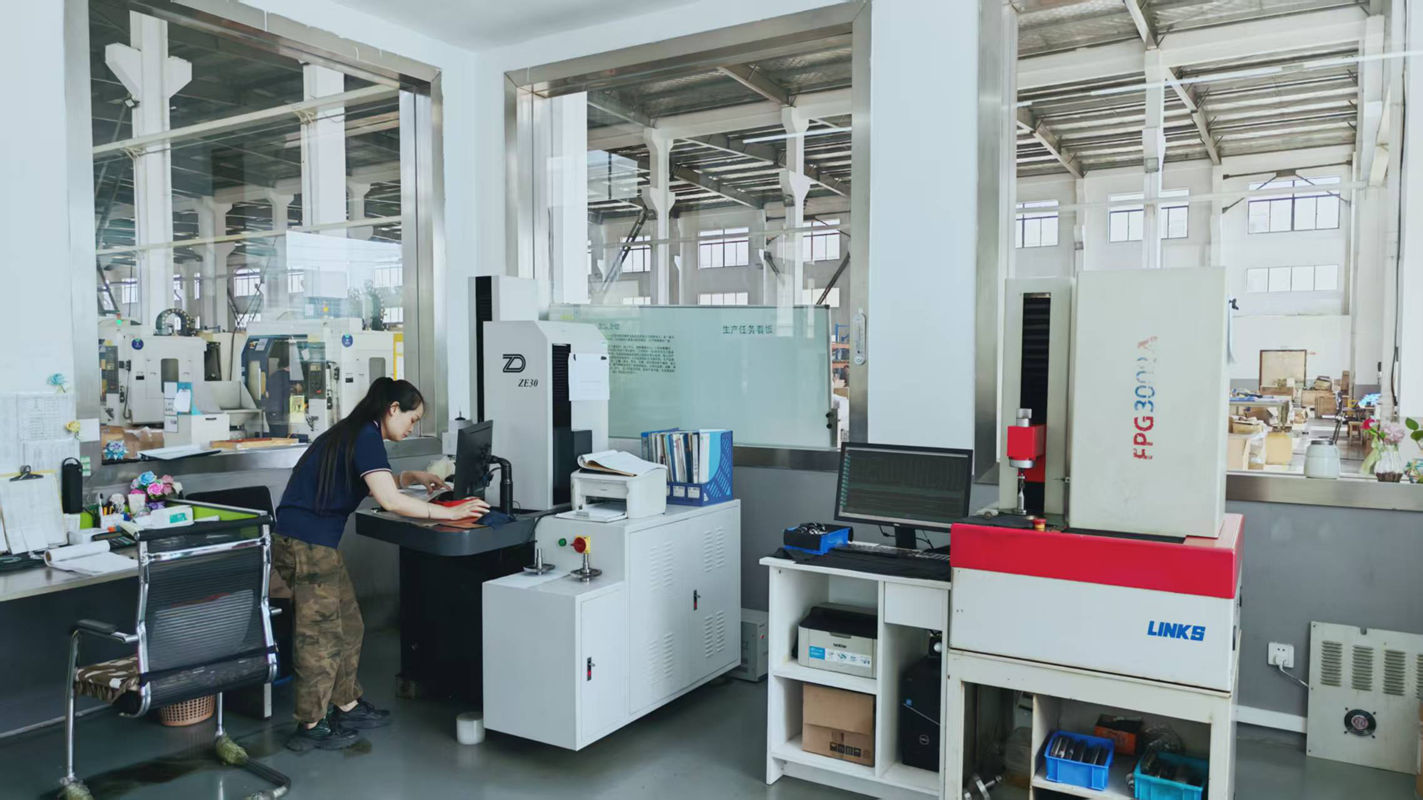
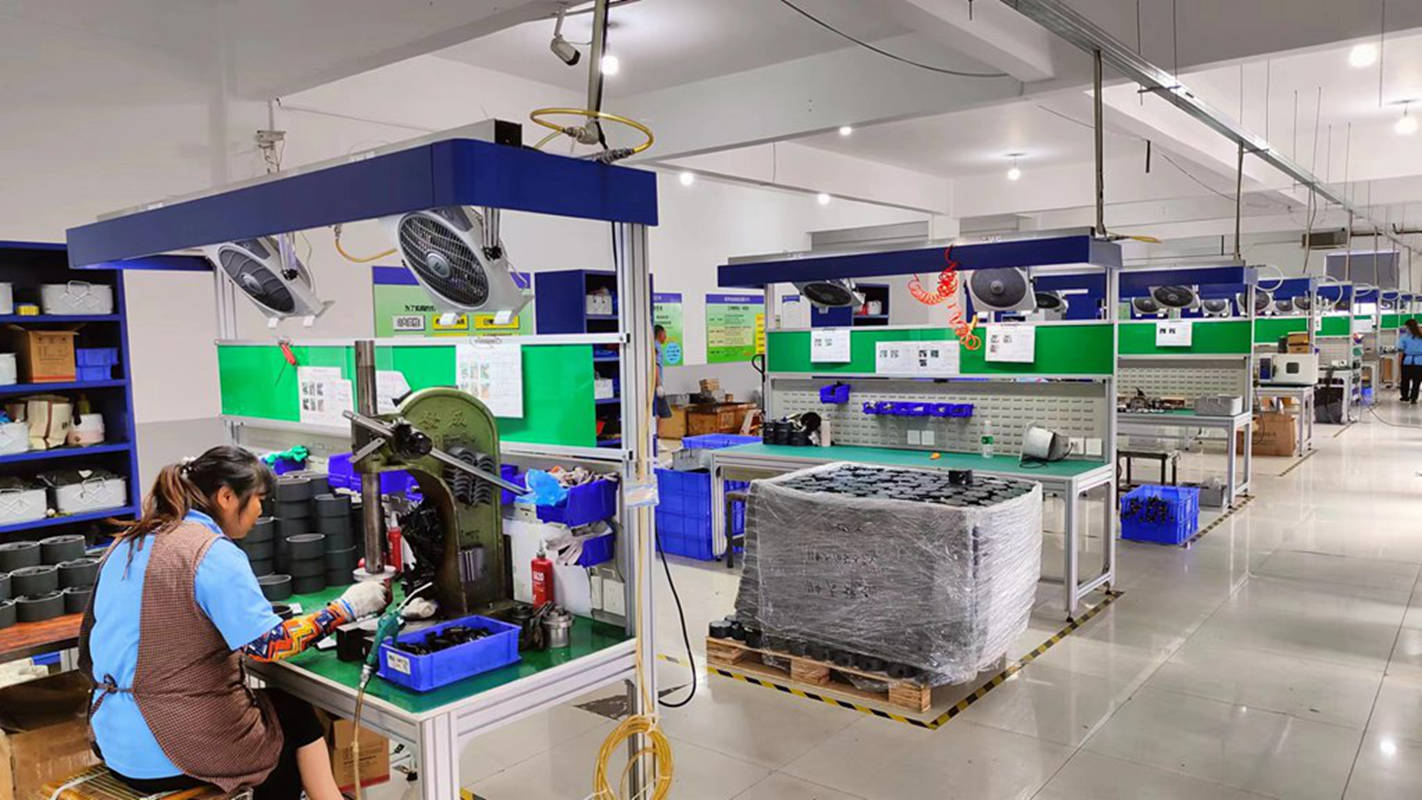
Quality and consistency in motion control are directly dependent on the machining equipment and testing protocols employed. Boxtop's state-of-the-art facility in Shenzhen is equipped with world-class CNC gear-hobbing, lathing, grinding, and inspection machines. Each phase of our production cycle—from raw alloy bar stock slicing to heat treatment and final assembly—is strictly monitored under ISO 9001:2015 frameworks.
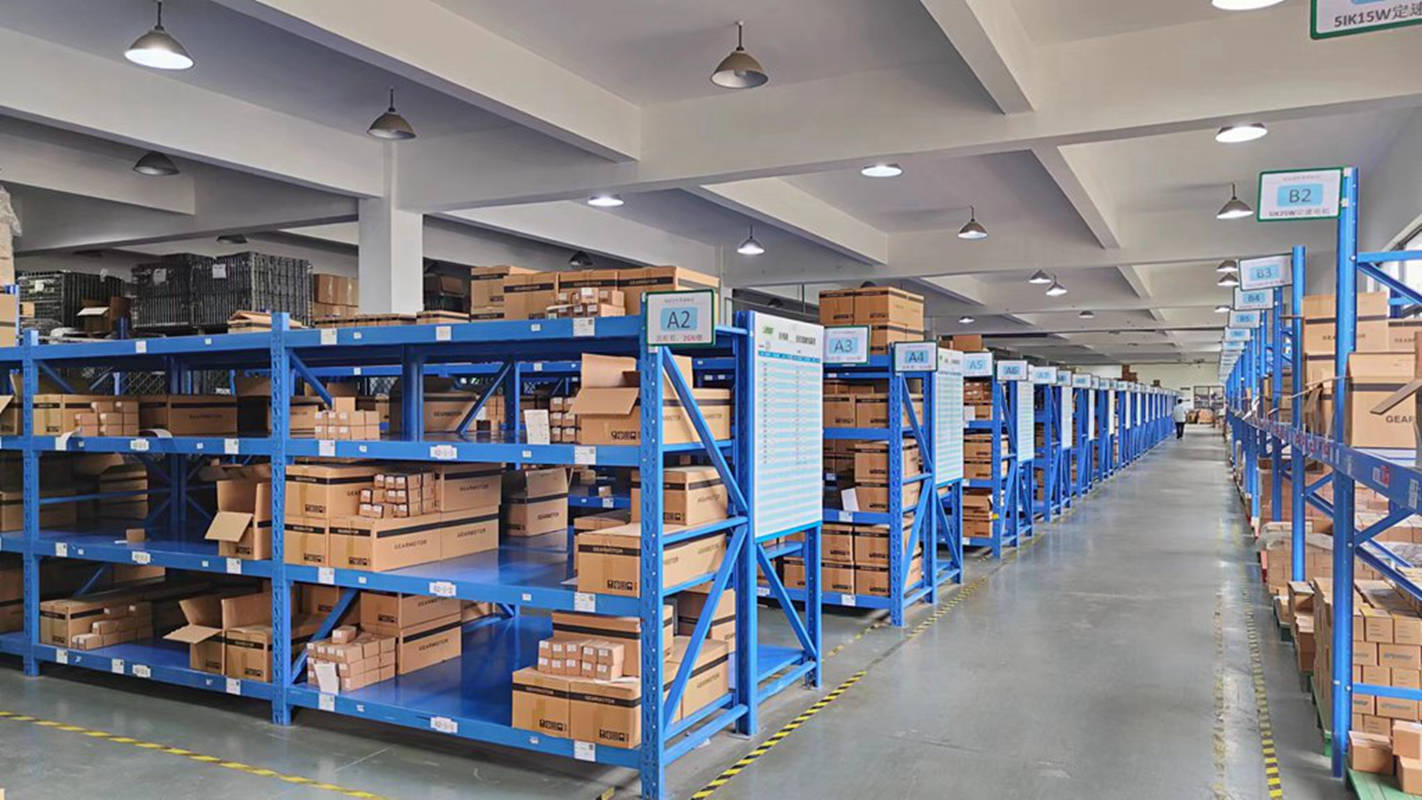
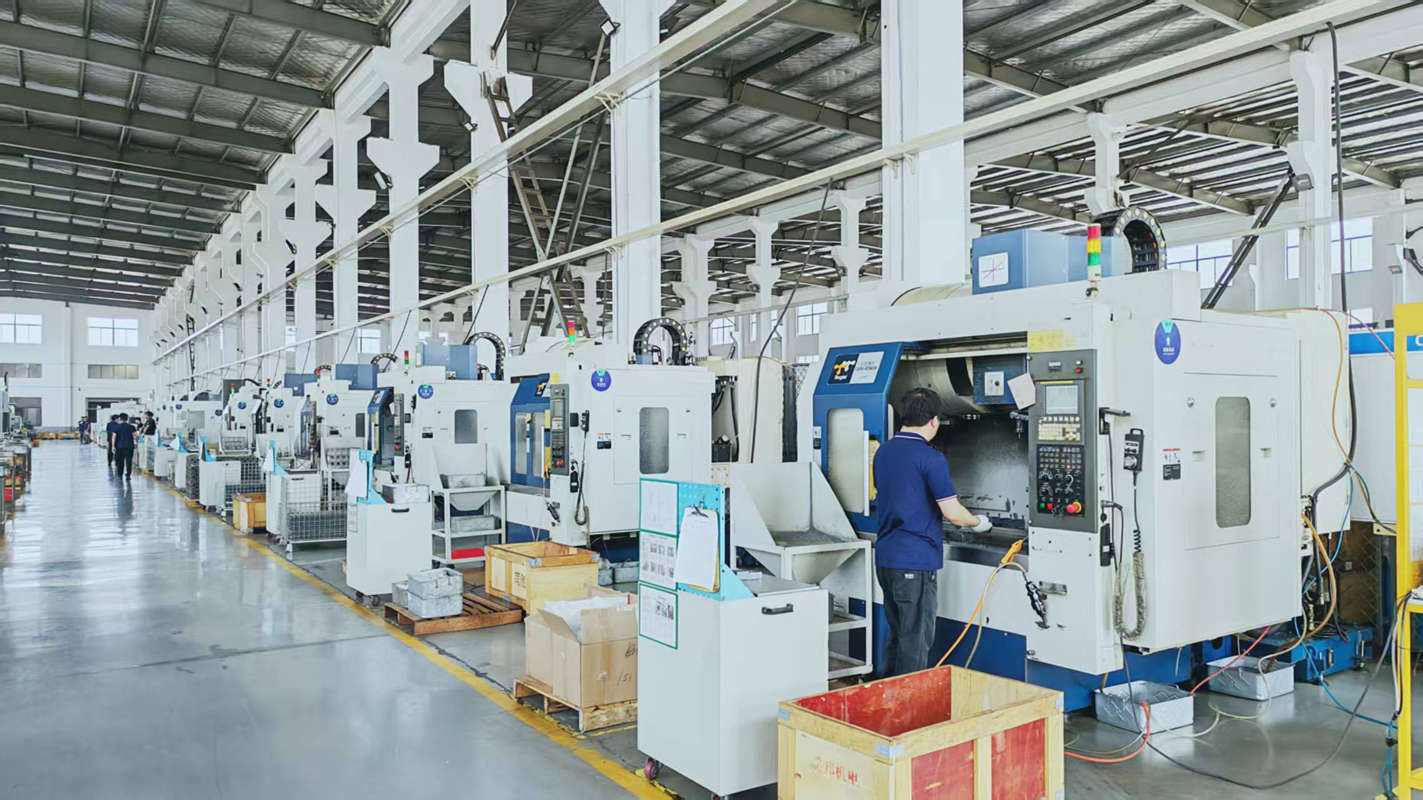
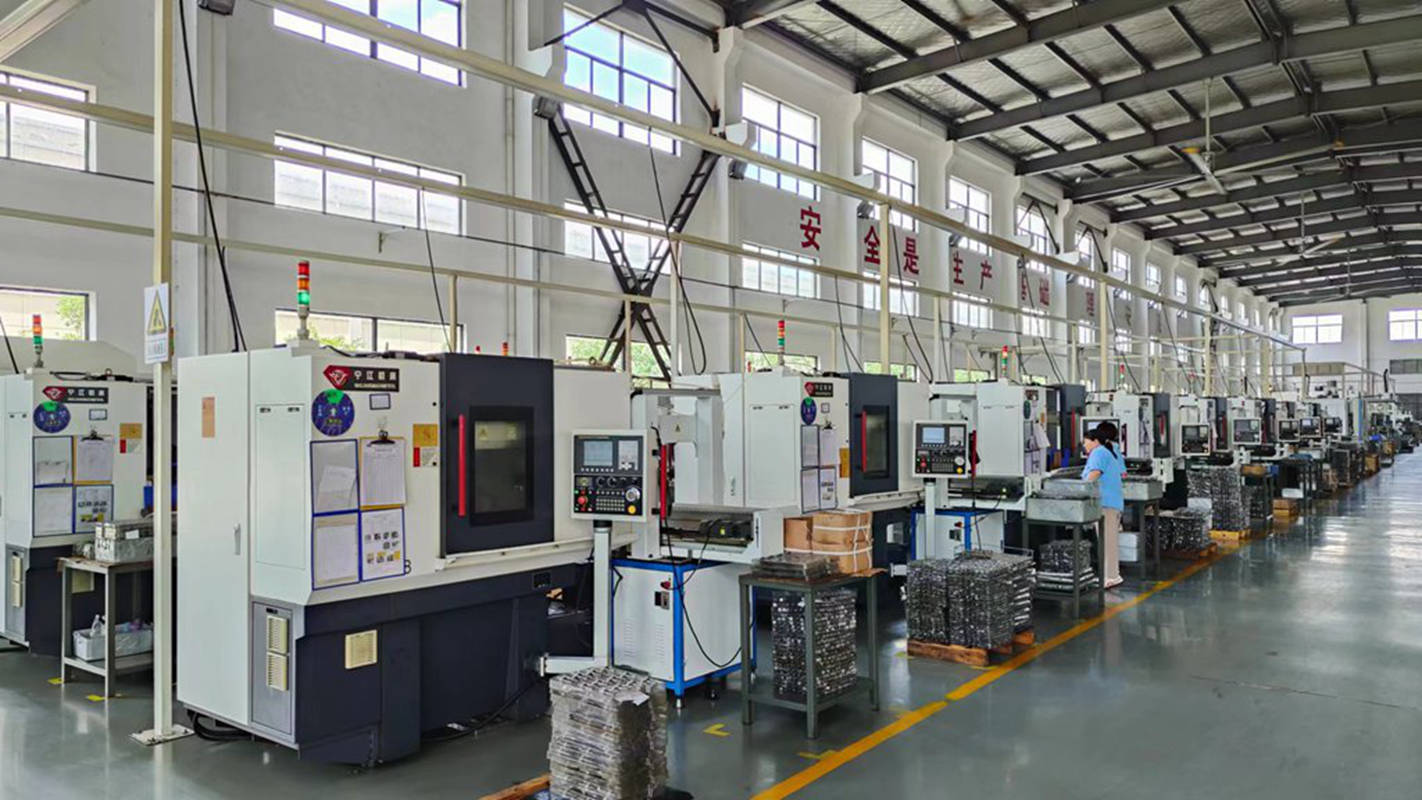
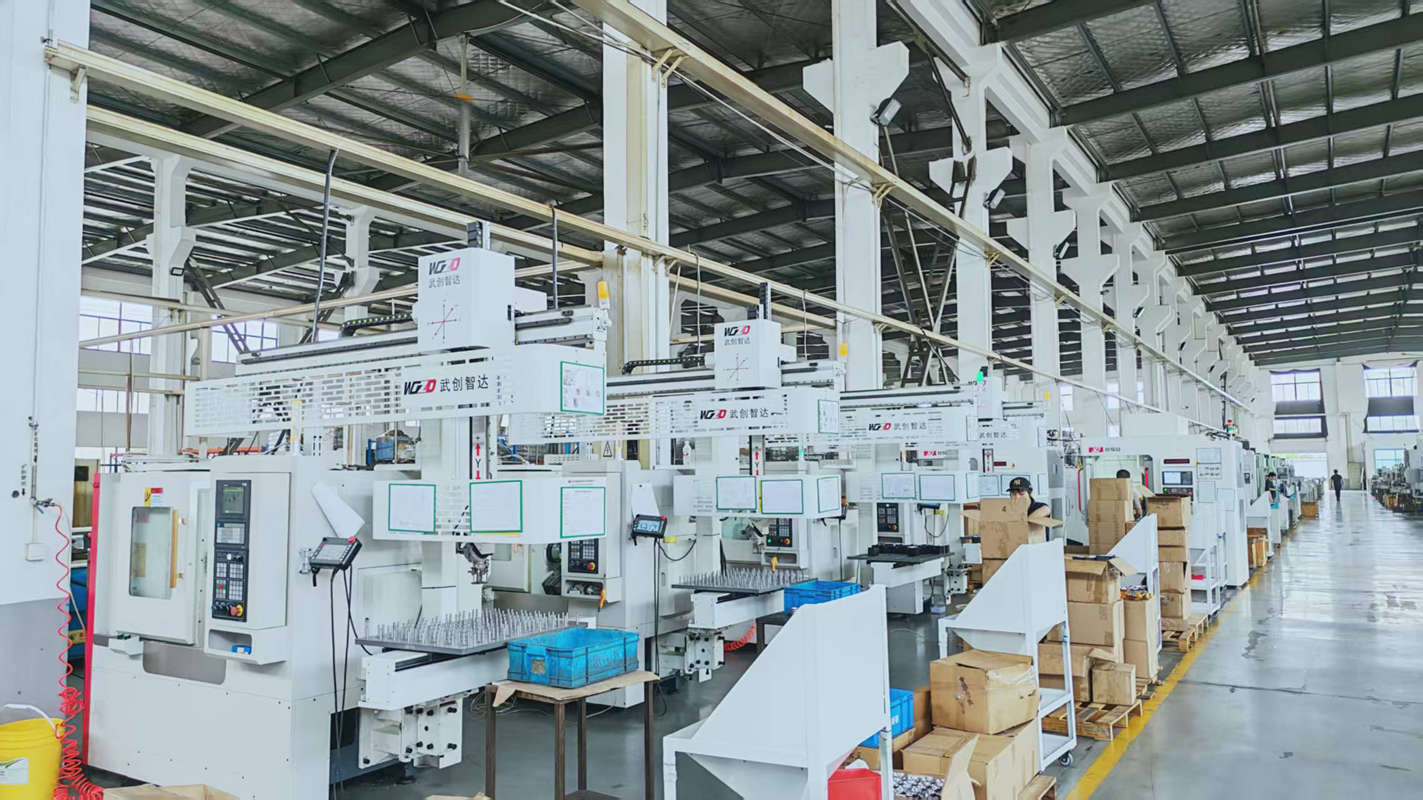
Procuring precision motion control components from Shenzhen, China, provides significant strategic advantages for global OEM buyers. This ecosystem is defined by deep integration, rapid engineering iterations, and logistical efficiency that cannot be easily replicated elsewhere.
China's comprehensive supply chain for raw materials, copper magnet wire, rare-earth permanent magnets (NdFeB), and structural cast housings keeps material costs highly competitive, resulting in substantial savings on high-volume production runs.
Our localized engineering network allows us to modify shaft dimensions, implement special winding profiles, or manufacture custom mounting flanges within 7 to 10 working days. This rapid turnaround accelerates validation cycles and speeds up time-to-market.
Operating in Shenzhen allows Boxtop to easily source and integrate supplementary components—such as high-grade bearings (NSK, SKF), specialized seal materials, and robust connector systems (Amphenol, Molex)—directly on-site, optimizing performance and reliability.
Additionally, China's logistical infrastructure ensures seamless international transport. Located adjacent to the deep-water ports of Shenzhen and Hong Kong, Boxtop manages multimodal shipping strategies (ocean freight, air cargo, and door-to-door express delivery) with optimized customs clearance documentation, preventing supply chain disruptions.
For industrial engineering products, regulatory compliance is a critical requirement. Boxtop designs and manufactures its entire motor and drive lineup to align with the safety, environmental, and electrical standards of key global markets, including North America, the European Union, the United Kingdom, and the Asia-Pacific region.
The dynamic behavior and precision requirements of modern machinery dictate the specific selection of motors and gear configurations. Below, we examine the typical operational scenarios for our motion systems across key industrial sectors:
High-speed laser cutting machines and multi-axis CNC routers demand constant torque output across all operating speeds, low inertia for quick direction reversals, and zero-backlash power transmission. Under these conditions, the Upgrade 2.9kW - 7.5kW Single-Phase Servo Motor series, paired with high-precision helical planetary reducers, provides the necessary dynamic response. The high-resolution feedback loop continuously adjusts for changes in cutting resistance, maintaining contouring tolerances within 0.01 mm.
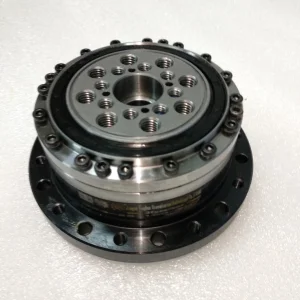
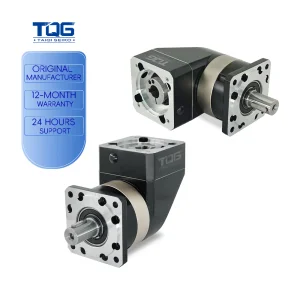
Joint drive units in articulated arms demand extremely high power density, compact configurations, and zero rotational backlash. The combination of Boxtop's brushless servo motors with the Industrial Robot Harmonic Drive Gearbox CSF Zero Backlash provides an ideal solution. Utilizing elastic deformation principles, the harmonic drive achieves gear reduction ratios up to 120:1 in a single stage, enabling precise, high-speed movement without positioning drift.
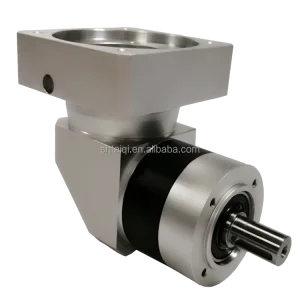
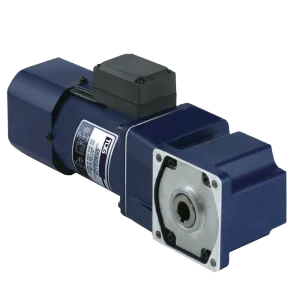
High-throughput packaging networks require precise, repeatable positioning, long duty cycles, and resistance to dust and moisture. The 24V 5A DC Motor Controller Variable Speed Drive IP67 Rated unit, paired with space-saving right-angle spiral bevel gear motors, delivers reliable operation in washdown environments. This setup ensures consistent conveyor speeds under varying payloads, preventing bottle collisions and labeling misalignment.
The field of industrial motion control is shifting away from centralized, cabinet-bound topologies toward intelligent, decentralized, and network-connected architectures. Five key trends are driving the next generation of motor designs:
1. Intelligent Decentralization: Integrating the servo drive directly onto the back of the motor housing (smart motors) eliminates long, costly encoder and motor cable runs, reduces electrical noise, and saves space inside the main electrical enclosure.
2. Industrial IoT and Diagnostics: Modern servo drives are increasingly equipped with diagnostic sensors that monitor temperature, vibration, and torque trends. Using predictive analysis, these units can alert maintenance teams of bearing wear or winding degradation before a critical failure occurs, maximizing overall equipment effectiveness (OEE).
3. High-Speed Industrial Ethernet protocols: Traditional analog control interfaces are being replaced by high-speed digital buses, such as EtherCAT, PROFINET, and EtherNet/IP. These protocols support sub-millisecond synchronization cycles, enabling coordinated multi-axis interpolation across dozens of motors.
Answers to common technical and sourcing questions encountered by automation engineers and procurement departments.
High-efficiency DC drives, variable speed controllers, hybrid stepper motors, and precision hardware mounting components.
 BOXTOP ELECTROMECHANICAL EQUIPMENT