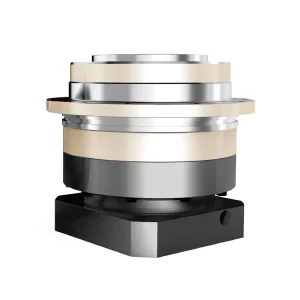
Explore our top-performing mechanical drive components designed for micro-drives, heavy automation, and precision positioning setups.
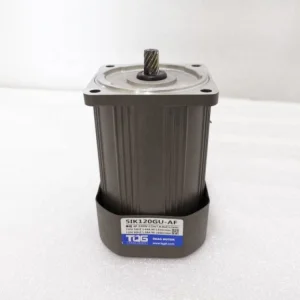
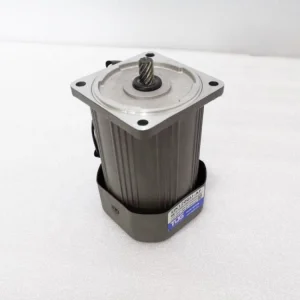
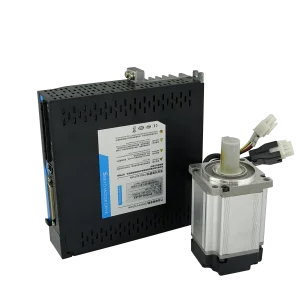
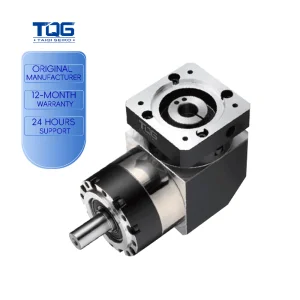
Founded in Shenzhen, China, Boxtop Electromechanical Equipment (shenzhen) Co., Ltd. has grown into a premier, verified manufacturer integrating R&D, advanced production, and global sales. For over two decades, we have dedicated ourselves to one mission: engineering high-precision, heavy-duty transmission and motor solutions that power modern industrial automation.
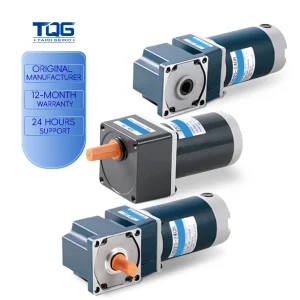
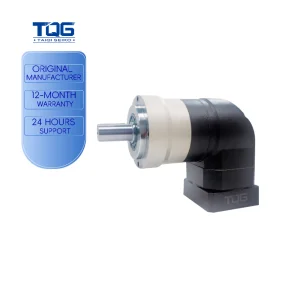
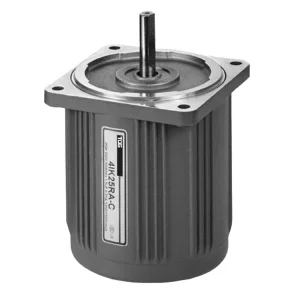
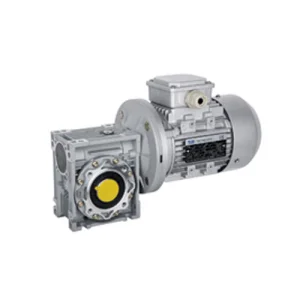
Unlike standard component suppliers, Boxtop offers a comprehensive product ecosystem. We specialize in precision planetary gearboxes, worm gear reducers, and helical gear units, perfectly integrated with our high-torque DC motors, AC motors, and brushless alternatives. By optimizing the synergy between motor and speed reducer, we provide global OEM buyers with ready-to-install micro-drives and industrial power systems that maximize efficiency and lifespan.
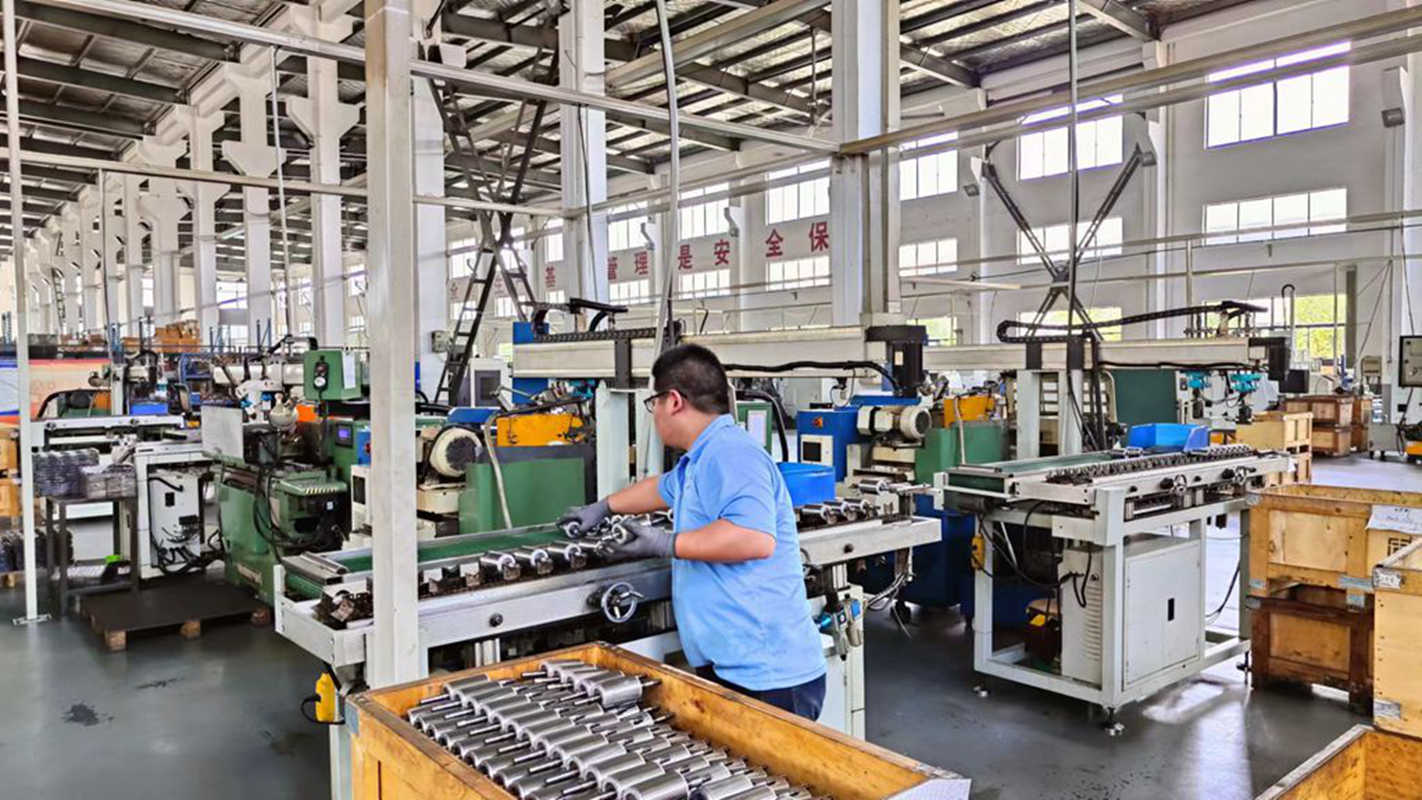
Operating from our state-of-the-art facility equipped with precision German and Japanese gear-hobbing technology (such as KOEPFER and HAMMI), we enforce rigorous quality control at every stage. From rapid engineering support to mass factory production, Boxtop is the trusted China partner driving reliability for customers in the US, Europe, Russia, Southeast Asia, and beyond.
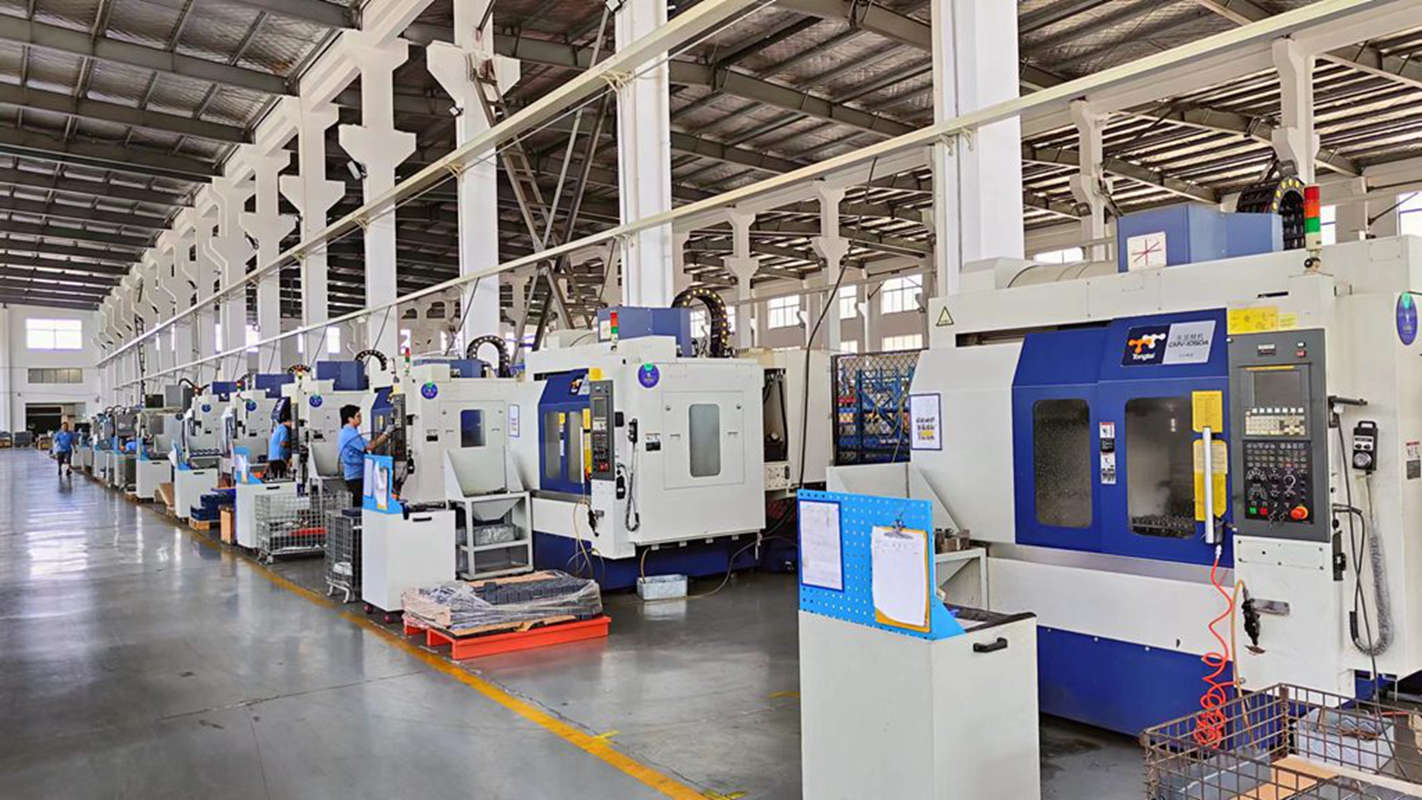
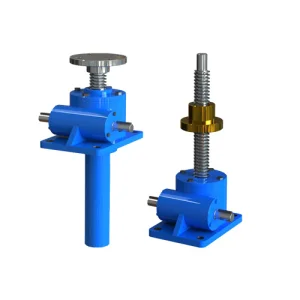
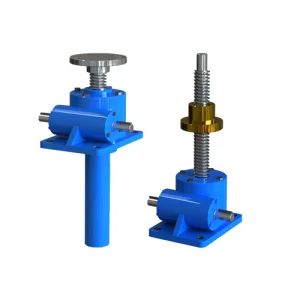
Mechanical linear actuators, specifically SWL worm screw jacks and JWM trapezoidal screw jacks, constitute the backbone of modern heavy material handling. In today's global manufacturing footprint, the demand for stable, high-load, self-locking lifts has surged dramatically. Industrial entities ranging from North American aerospace hangers to European metallurgical works and Asian automated processing facilities rely on screw jack systems to control, position, and support heavy frameworks.
The global market has seen a distinct shift. Traditionally, hydraulic cylinders dominated heavy positioning applications. However, modern environmental directives, precision expectations, and low-maintenance requirements have paved the way for clean, electric-actuated worm screw jacks. By integrating highly efficient worm gear sets and trapezoidal or ball screw spindles, SWL systems allow engineering teams to control movement precisely without the threat of high-pressure fluid leaks or hydraulic drift.
Modern SWL units are increasingly outfitted with smart sensors to monitor operating temperature, shaft rotation speed, and vibration profiles in real-time, allowing operators to transition to predictive maintenance schedules.
While standard induction motors are standard for crude lifting, high-ratio SWL jacks coupled with high-precision servo motors are becoming standard for precise vertical or horizontal adjustments.
Advanced alloys, custom tin-bronze worm gear rings, and synthetic lubricants are reducing thermal wear, enabling dry operation and longer operating lifecycles in cleanroom environments.
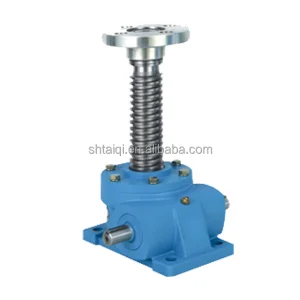
Selecting the proper mechanical jack requires a solid understanding of the structural differences between SWL (Worm Screw Jack) and JWM (Trapezoidal Screw Jack) models. In general, SWL worm screw jacks utilize a specialized worm-and-gear transmission mechanism coupled with a trapezoidal or ball screw spindle to lift heavy loads. The JWM series typically employs a heavy-duty trapezoidal screw directly driven by a worm gear, optimized specifically for lower speeds and heavier duty cycles.
| Feature / Parameter | SWL Series (Worm Screw Jack) | JWM Series (Trapezoidal Screw Jack) |
|---|---|---|
| Spindle Type | Trapezoidal Screw / Ball Screw Optional | Standard Heavy-Duty Trapezoidal Screw |
| Transmission Elements | High-Grade Case Hardened Worm Gear & Shaft | Standard Worm Shaft and Cast Bronze Nut Set |
| Standard Reduction Ratios | 4:1 to 50:1 (Customizable range available) | 5:1 to 36:1 (Optimized for heavy torque) |
| Efficiency Profile | Medium to High (Up to 35-40% for trapezoidal) | Low to Medium (High mechanical self-locking) |
| Travel Speeds | Up to 3000 mm/min depending on pitch/ratio | Generally limited below 1500 mm/min |
| Self-Locking Capacity | Yes (For ratios larger than 20:1) | High inherent self-locking across most ratios |
Every industrial region globally faces different environmental challenges. For instance, solar tracker fields in the dry, dusty plains of the Middle East demand screw jacks with specialized IP66 or IP67 dual-lip seals to exclude fine abrasive dust from the housing. On the other hand, oil platforms operating in the sub-zero temperatures of the North Sea require low-temperature carbon steel housing and specialized synthetic greases that retain viscosity at -40°C.
In steel mills, SWL lifts are integrated into ladle turrets and roll adjustment units to handle multi-ton loads at extremely high ambient temperatures.
SWL series worm gears act as primary tilt regulators for commercial solar panels, surviving decades of continuous outdoor weathering.
Multi-jack synchronized mechanical systems position critical assembly platforms during airplane fuselage assembly and rocket staging.
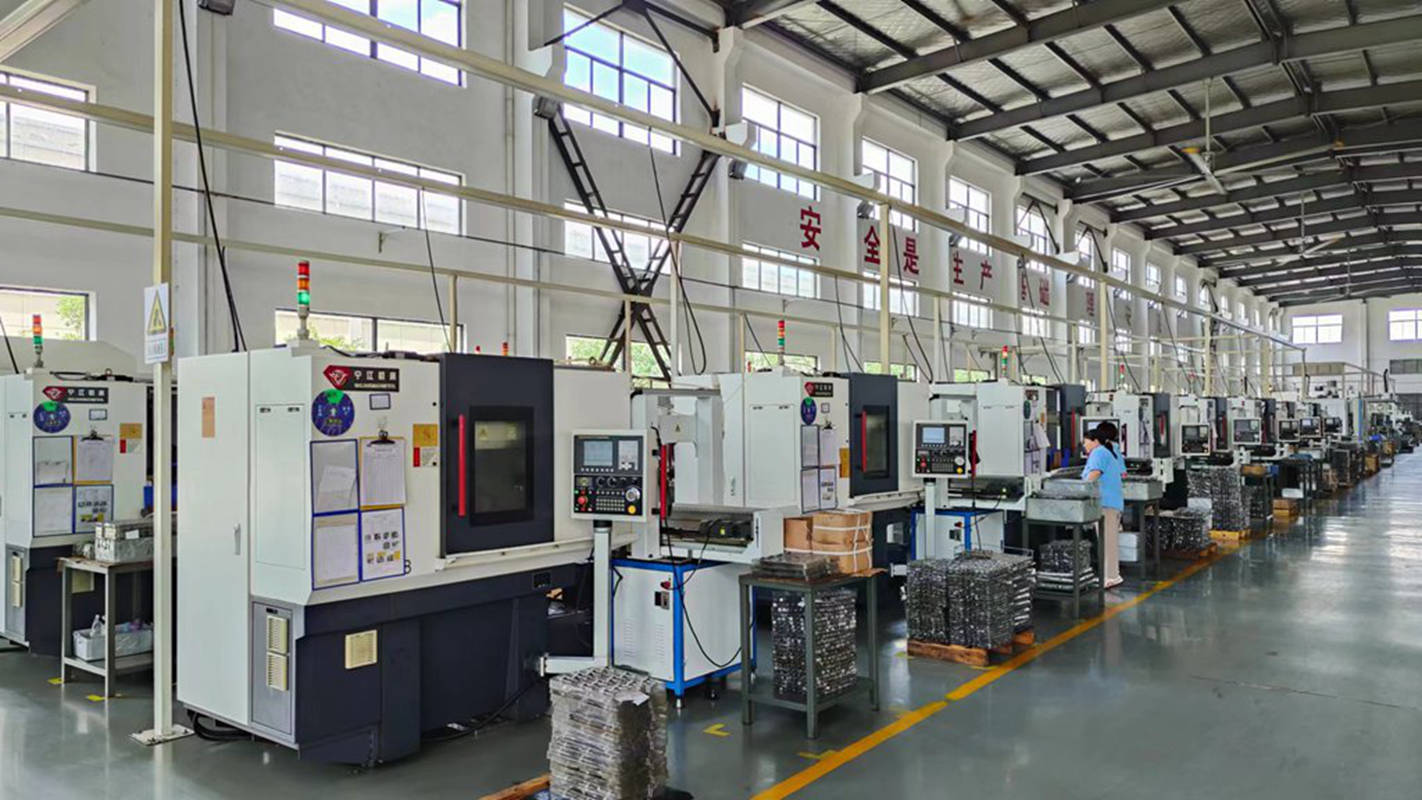
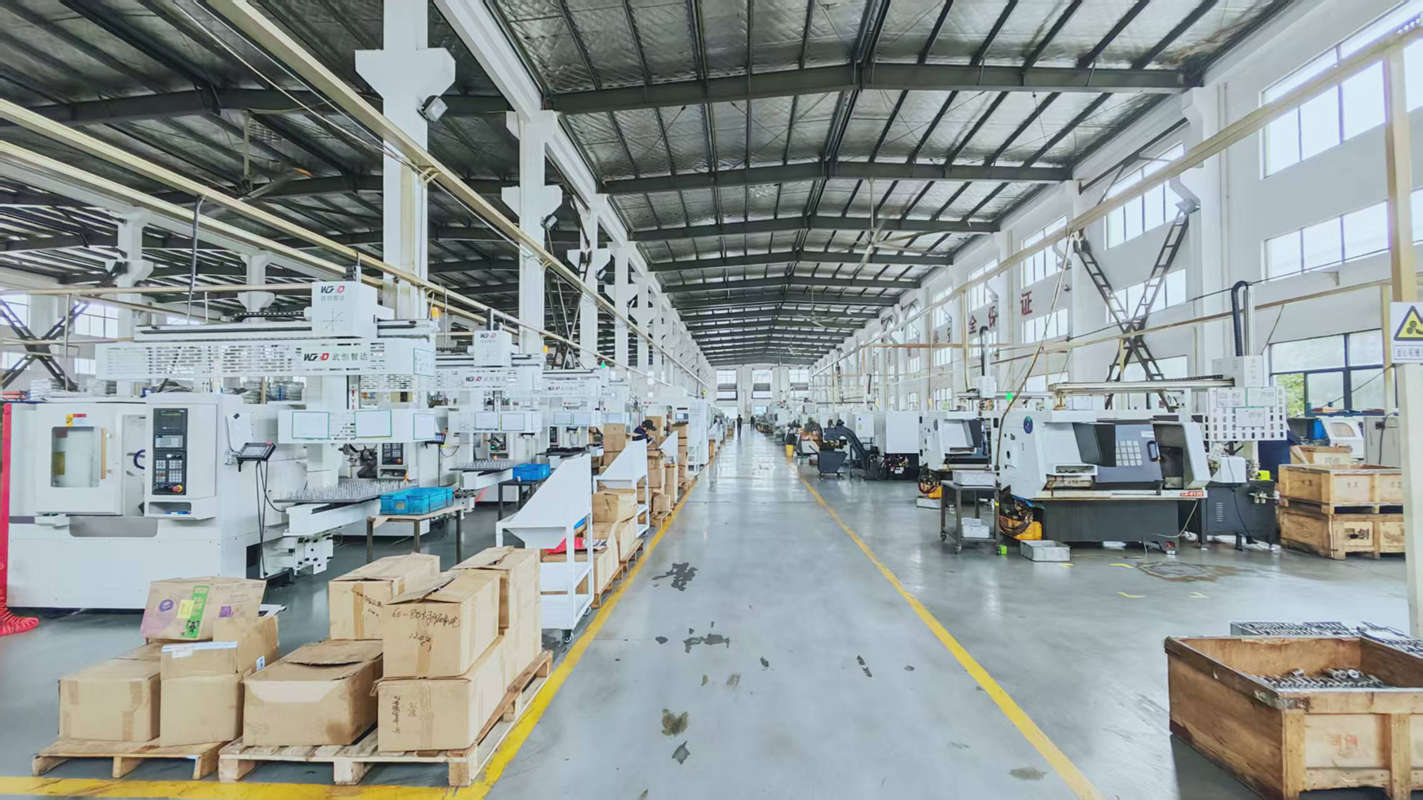
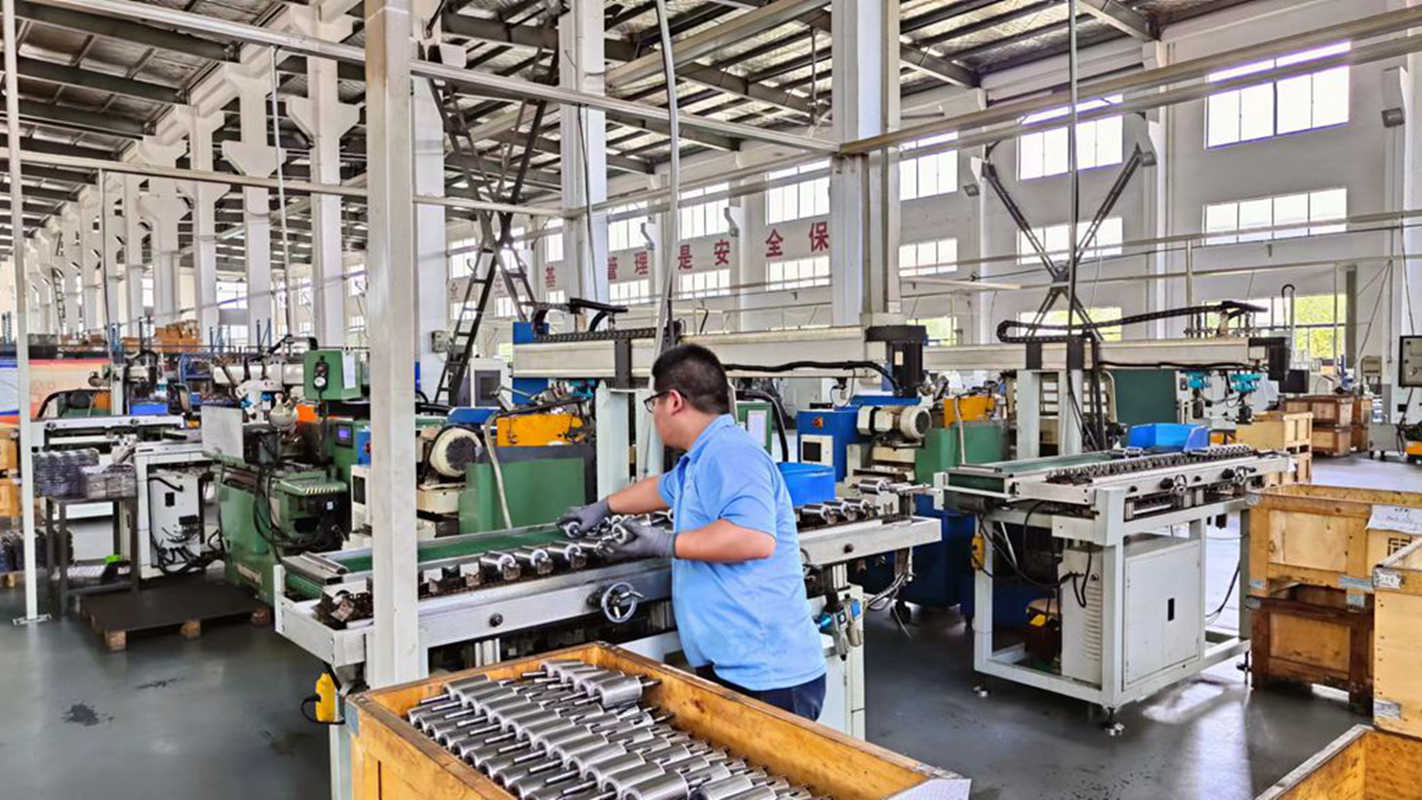
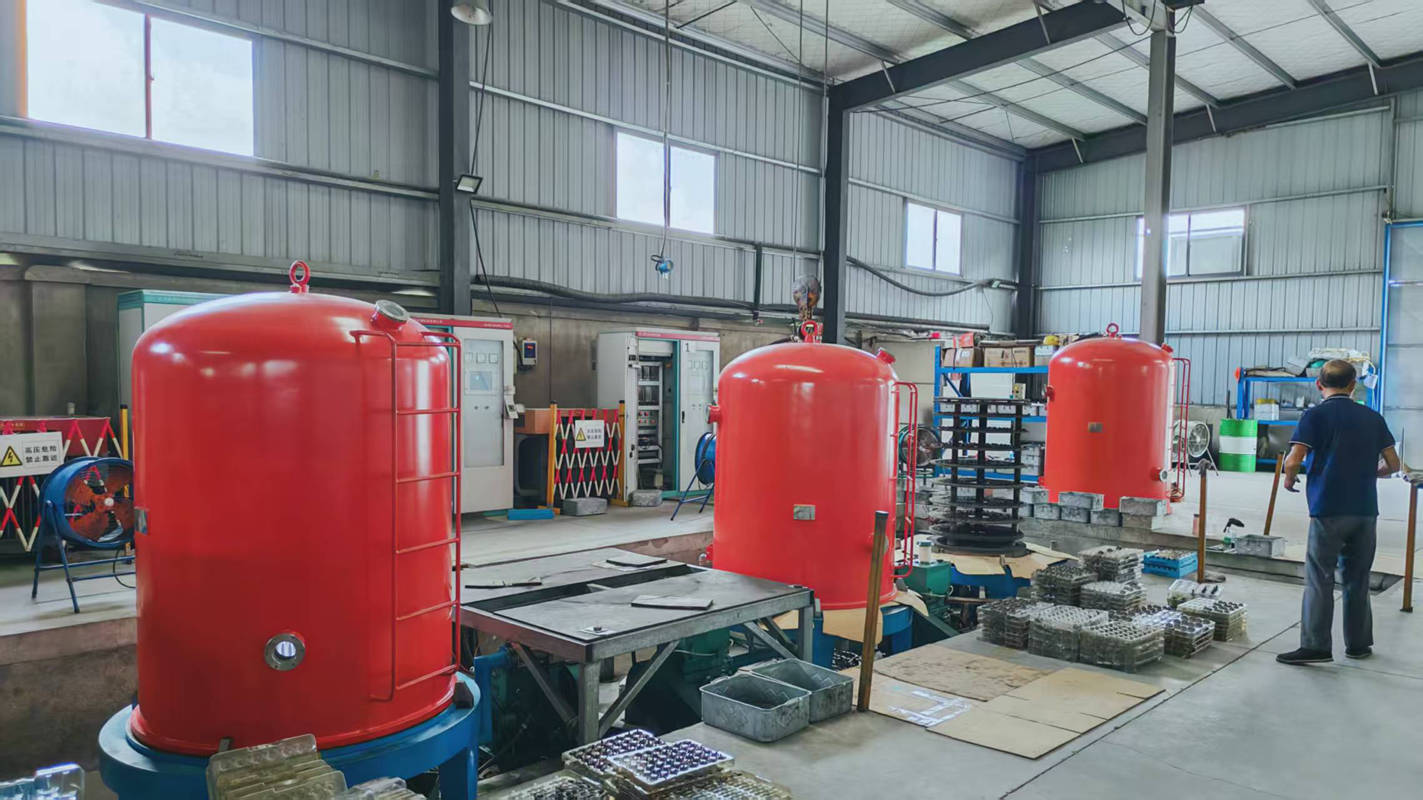
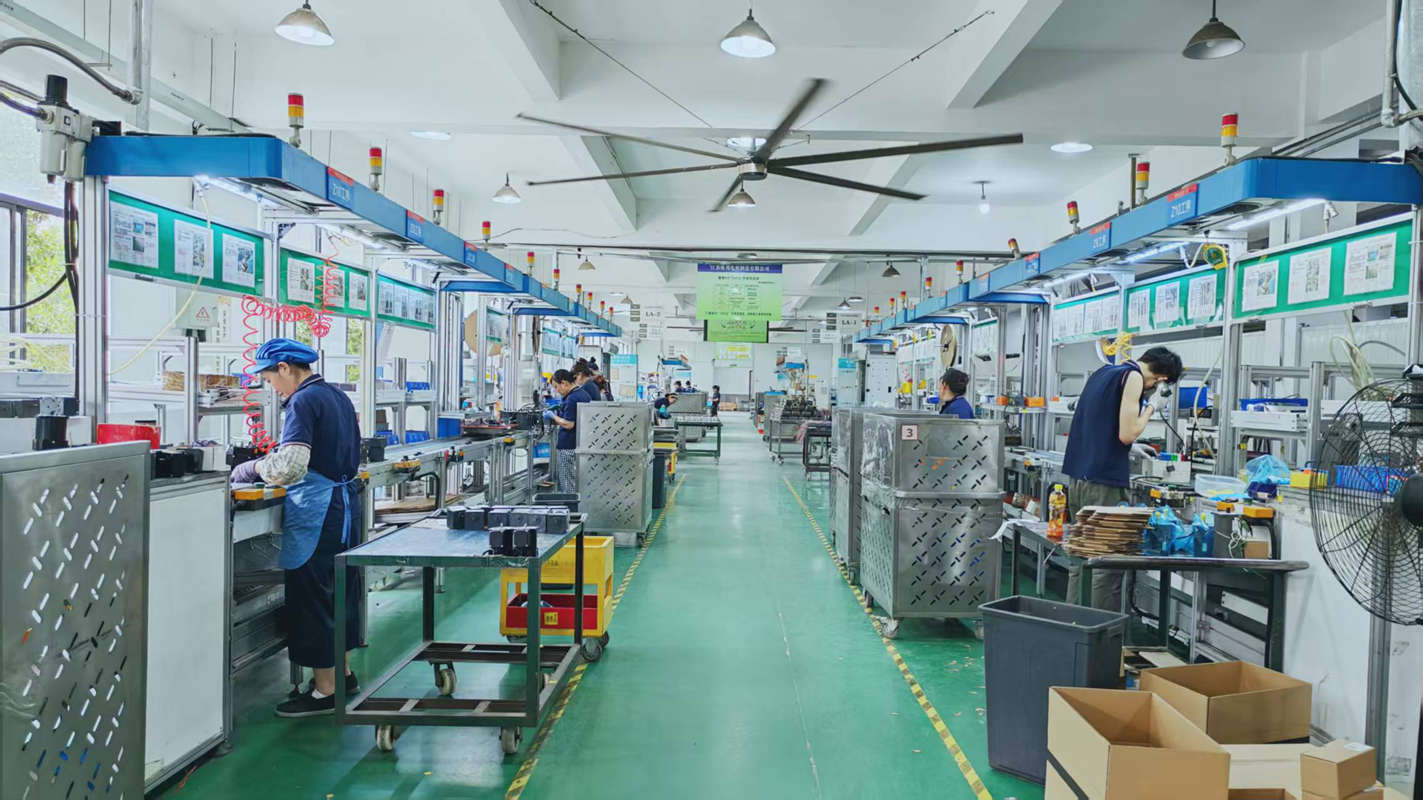
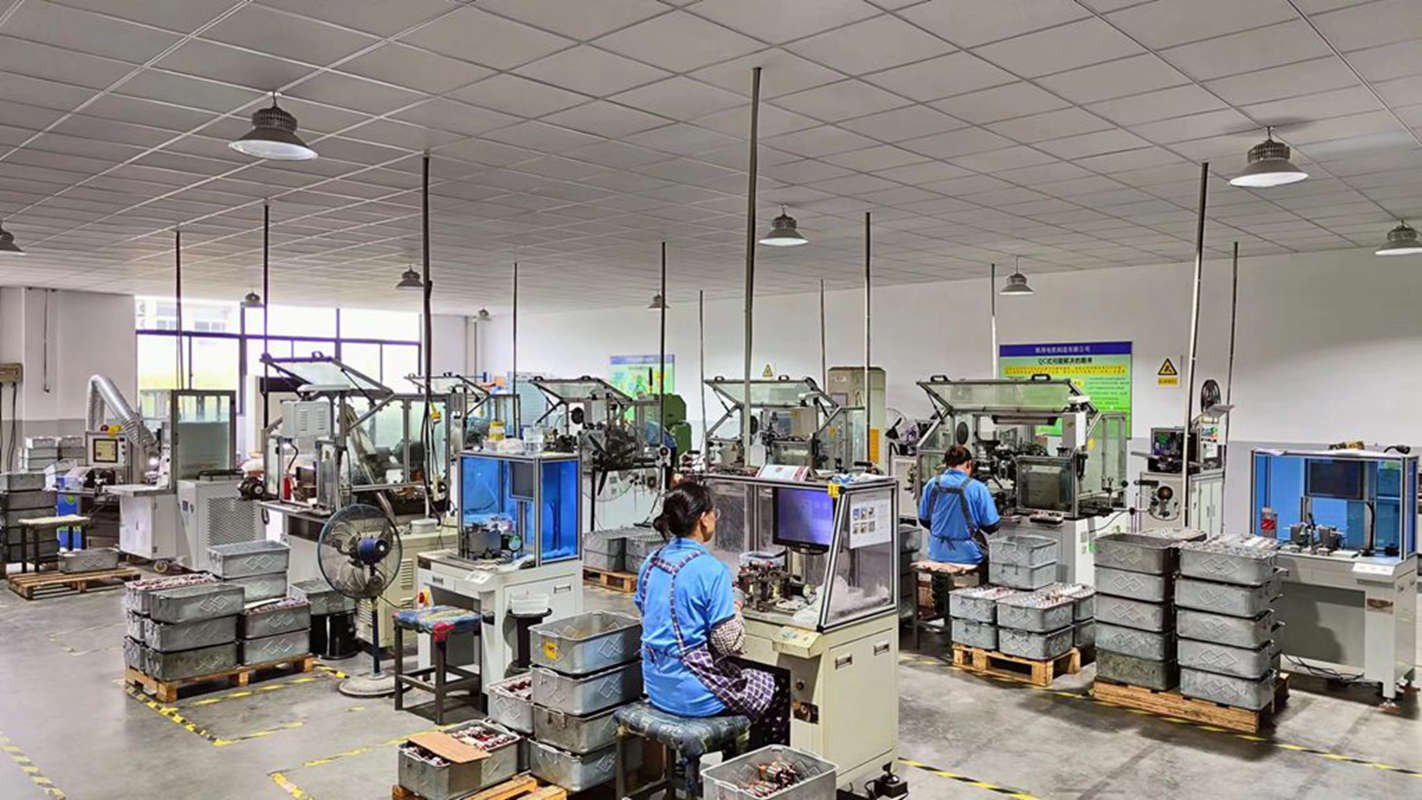
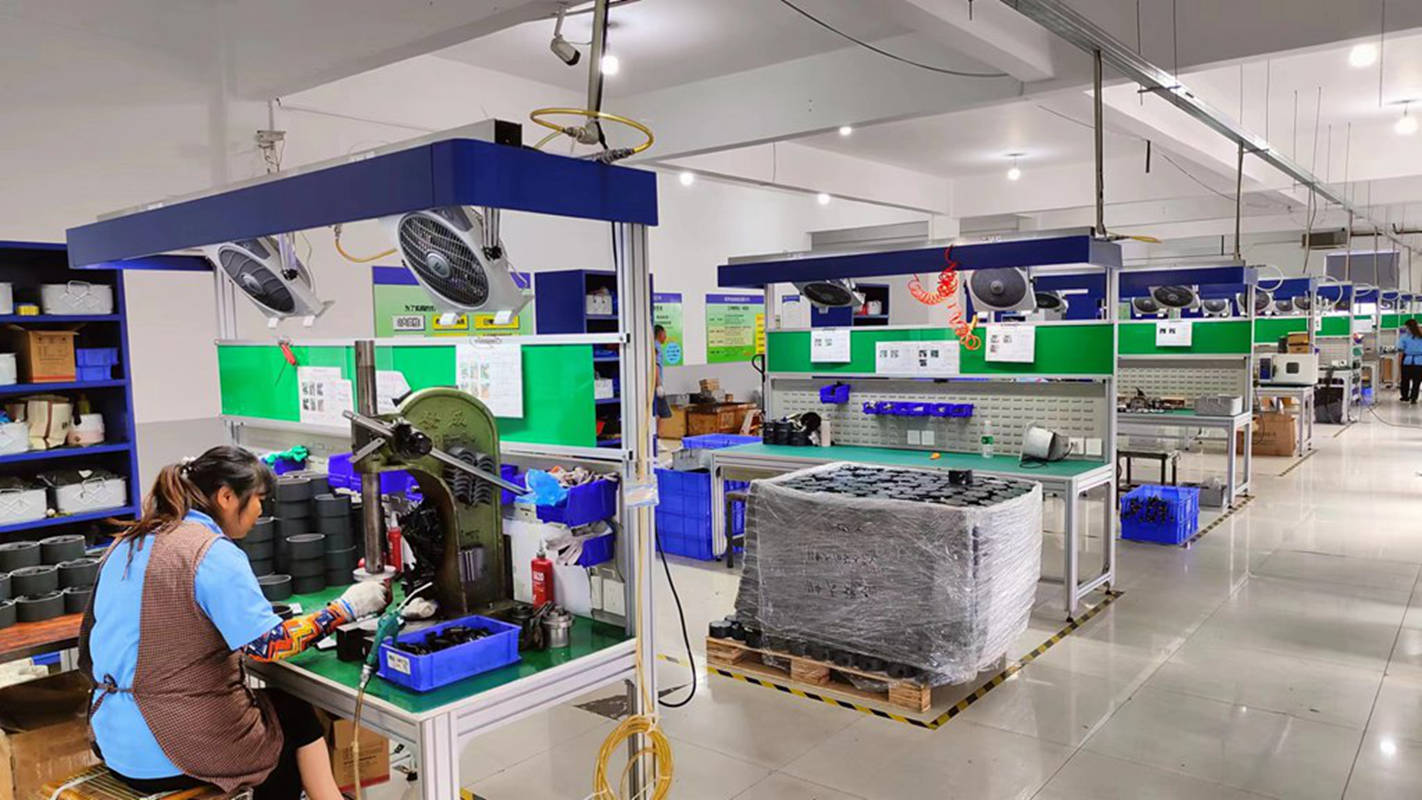
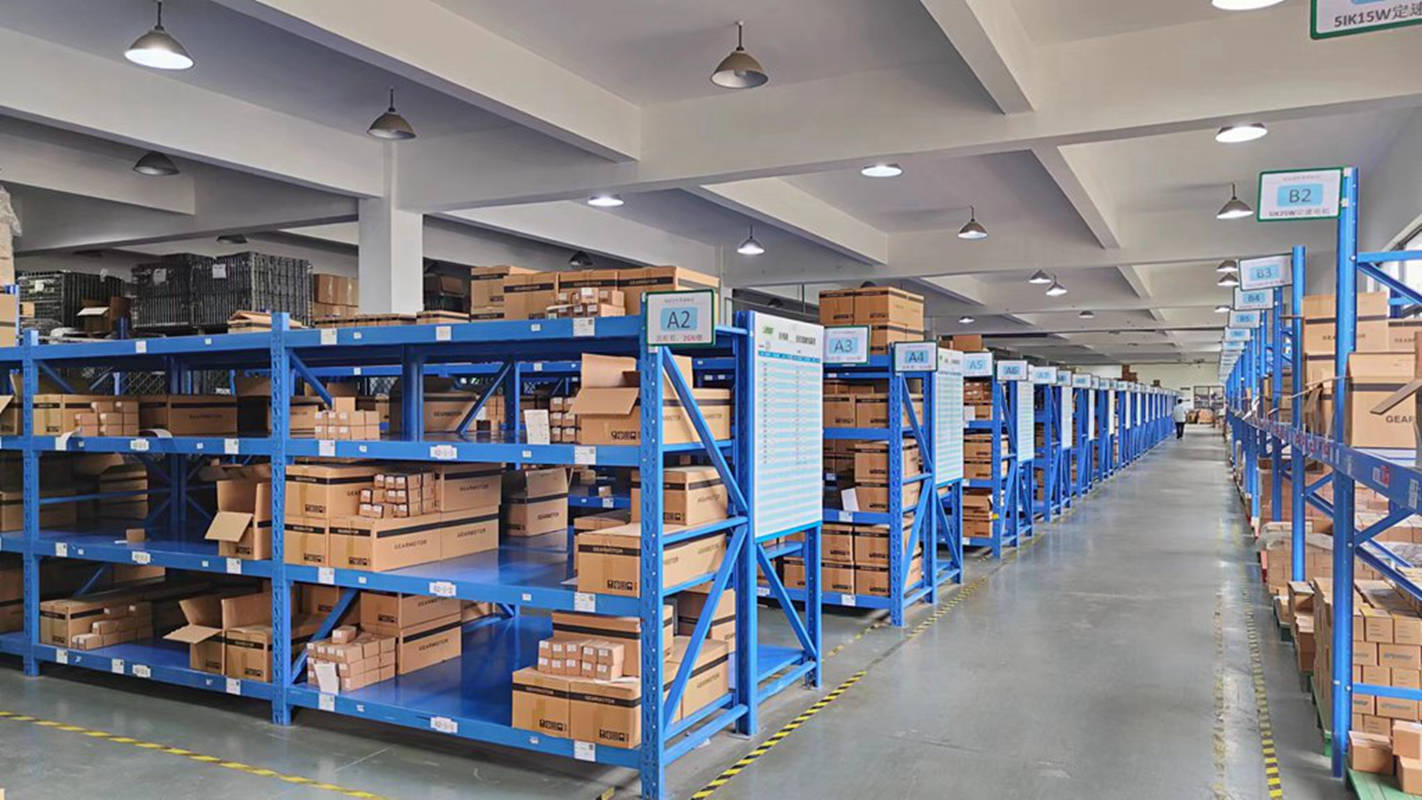
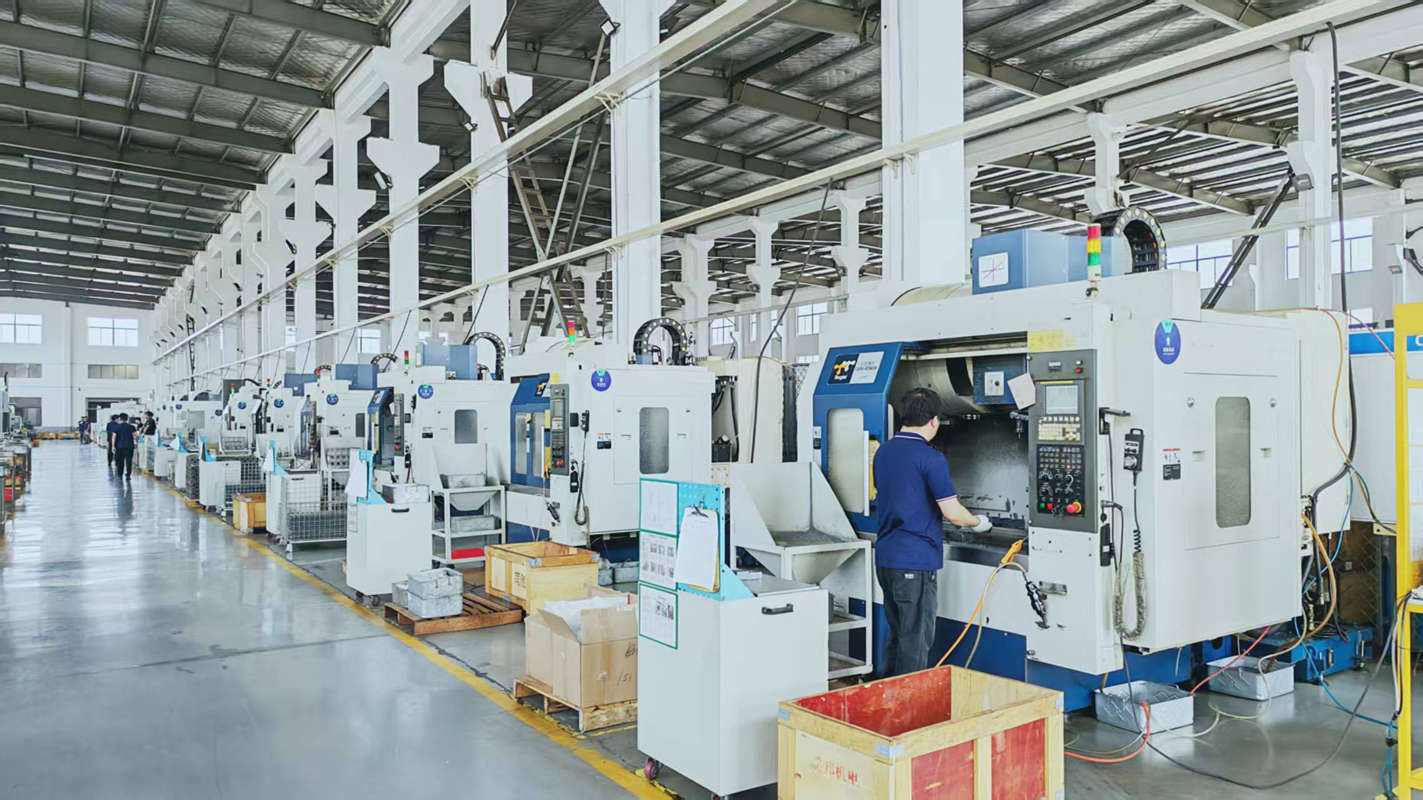
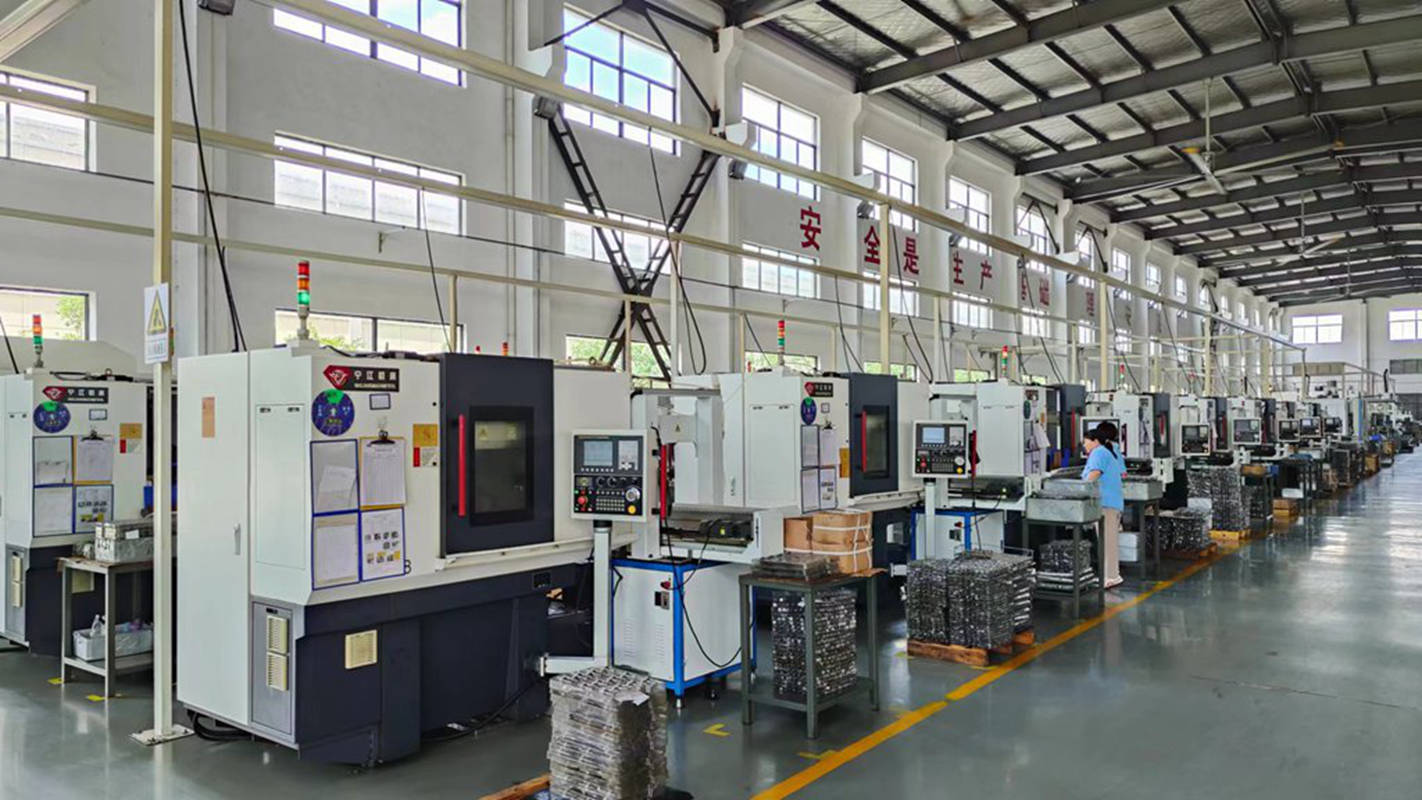
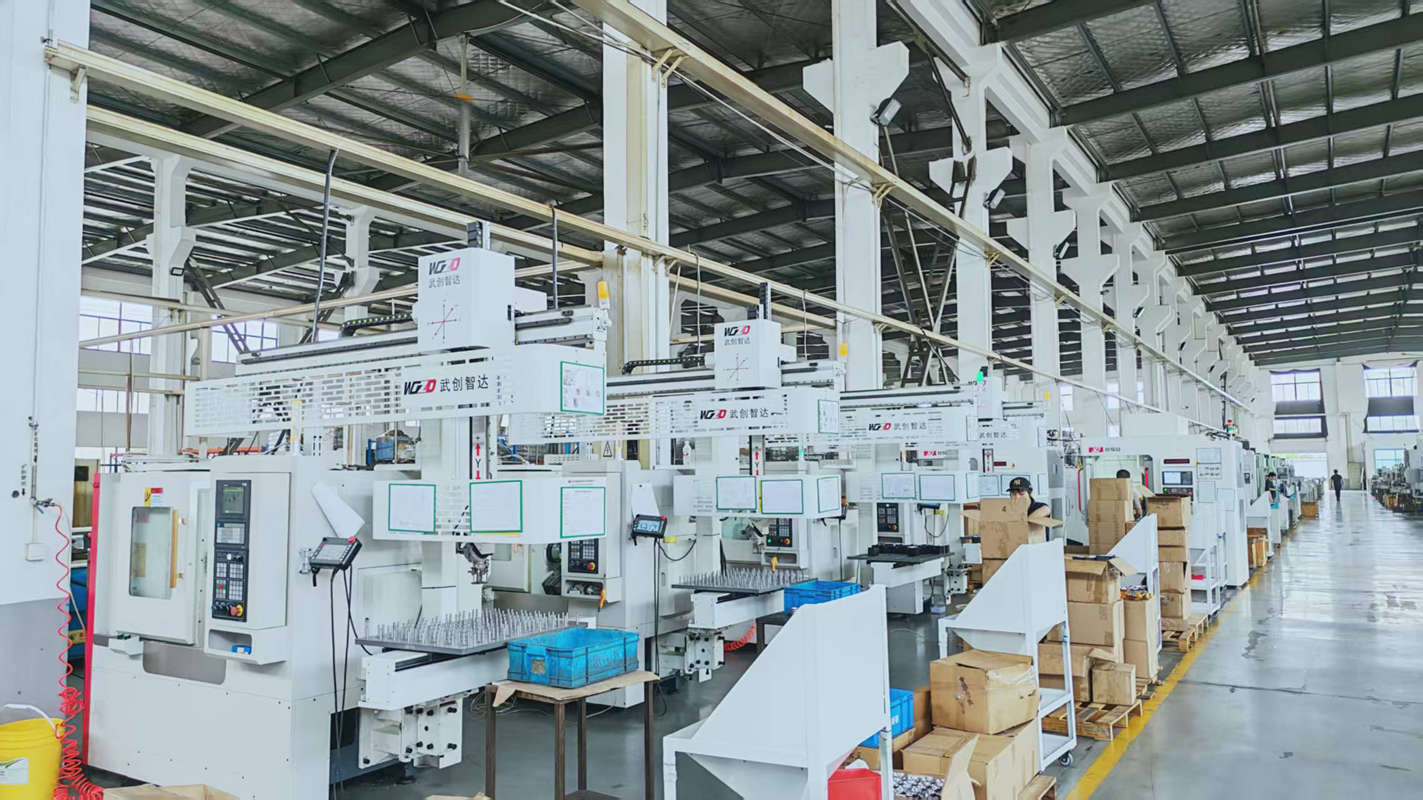
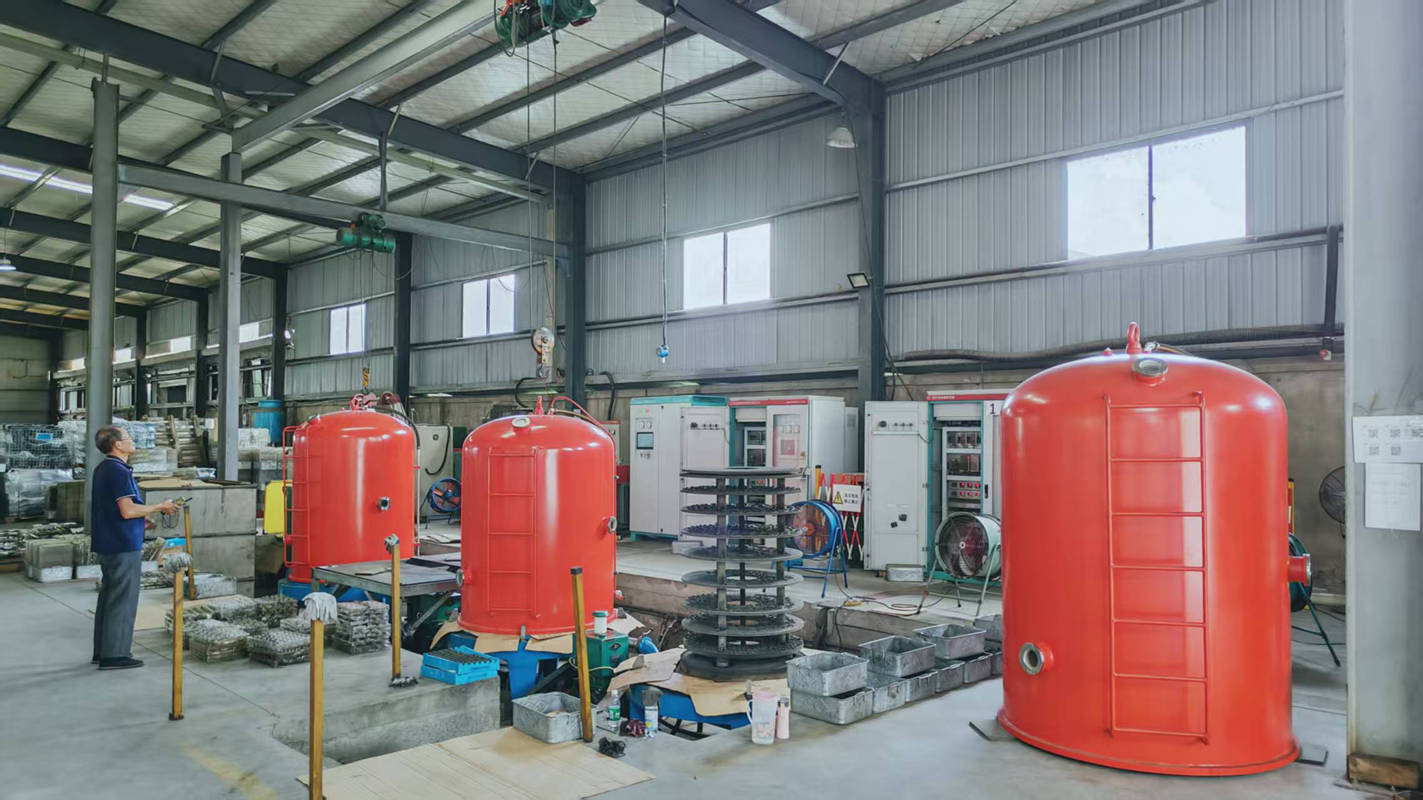
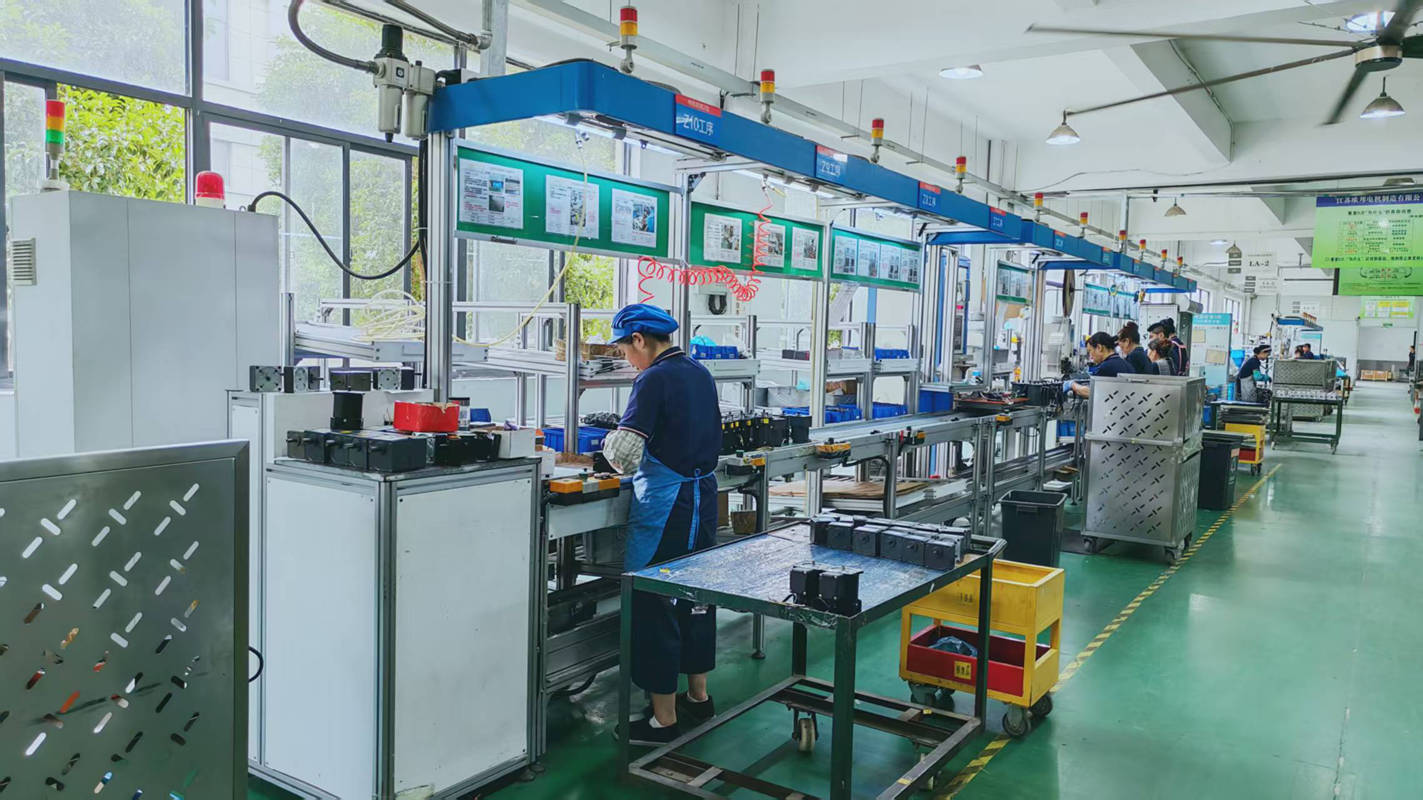
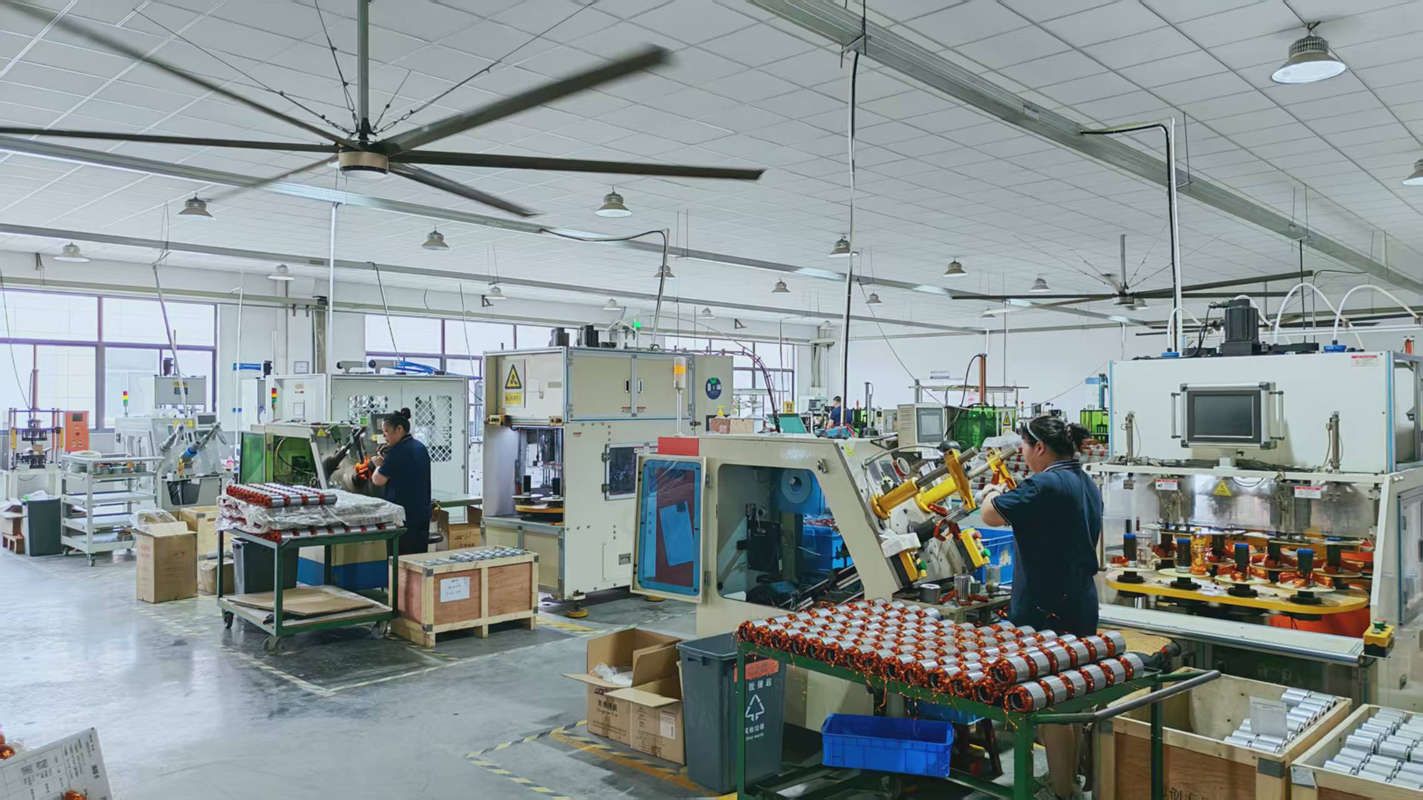
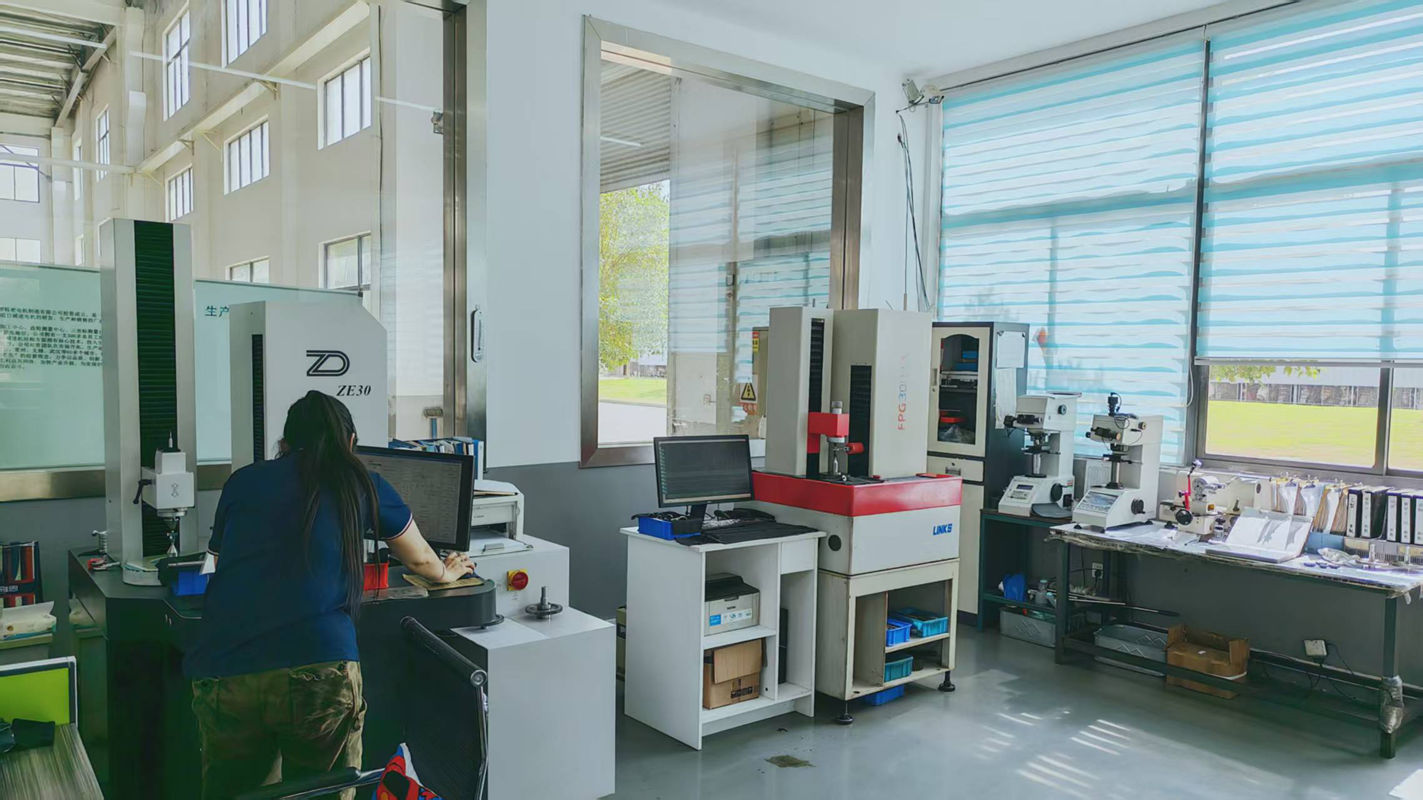
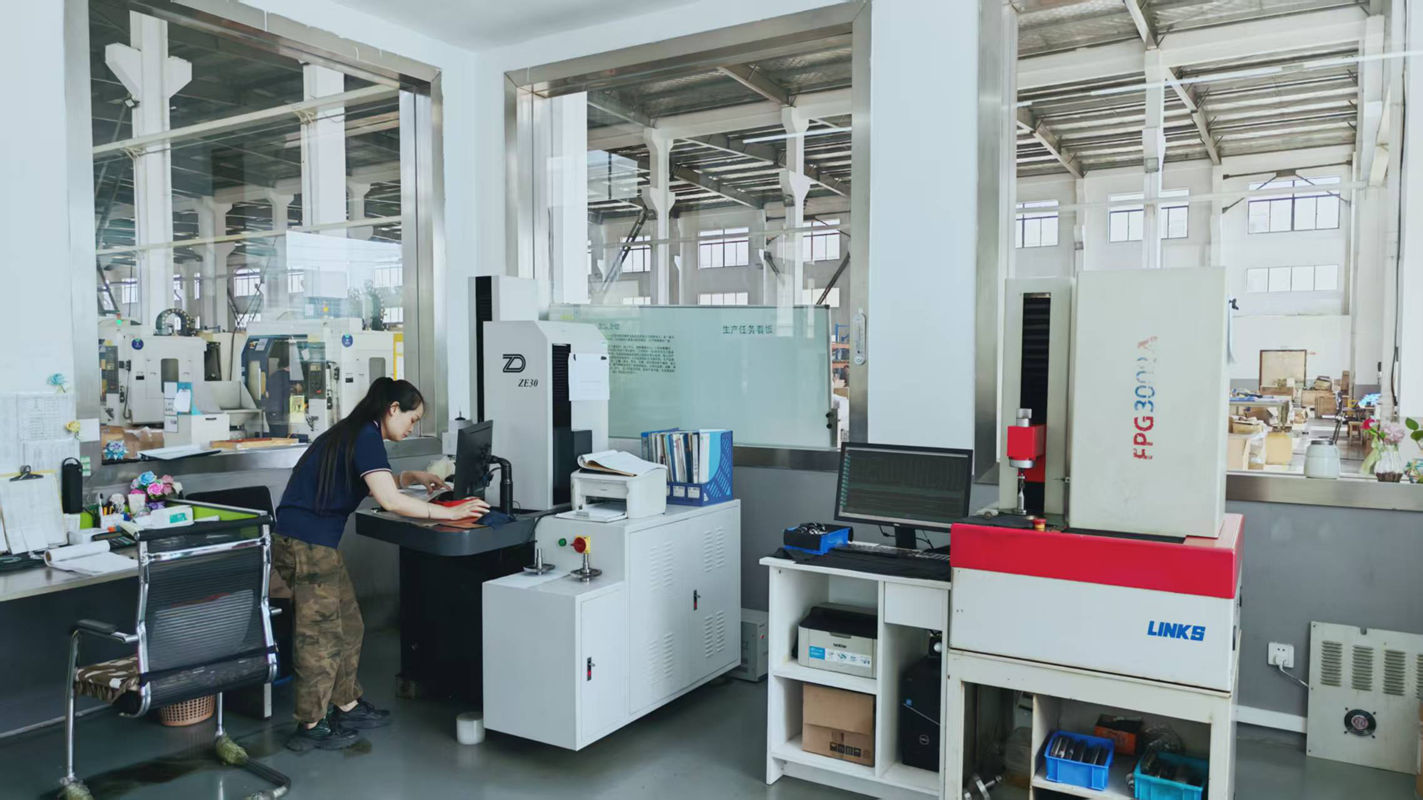
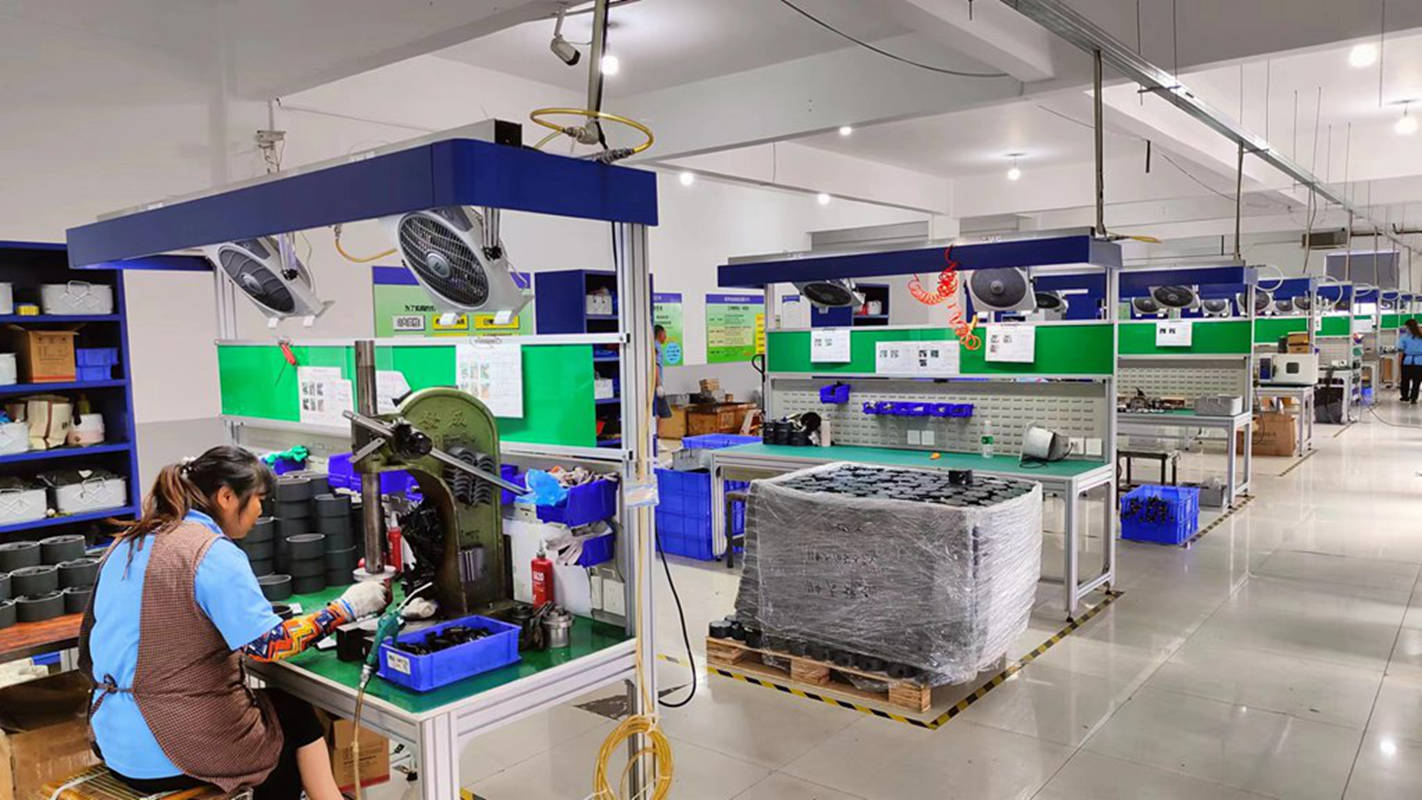
Take a look inside our manufacturing processes, including CNC gear-hobbing, assembly stages, and laboratory quality inspections.
Accurately sizing an SWL screw jack is critical to ensuring the longevity of the system and preventing motor burnouts or mechanical failures. When analyzing a load, engineers must calculate the input torque, axial load, screw lead, and dynamic efficiency coefficients. The basic formula for calculating the required torque for a single lift jack is:
T = (F * P) / (2 * π * η * i)
Where: T is the input torque (Nm), F is the axial force or load (N), P is the screw lead/pitch (m), η is the mechanical efficiency of the screw jack unit, and i is the gear reduction ratio.
Under heavy duty cycles, thermal limits become the primary design constraint. Worm gear drives dissipate mechanical losses as heat. If the heat generation rate exceeds the housing dissipation capacity, the lubricating film will fail, leading to adhesive wear on the bronze worm gear teeth. Consequently, continuous operations require either larger housing footprints, external cooling jackets, or high-efficiency ball screw spindles instead of traditional trapezoidal models.
To determine whether to specify a translating or rotating screw configuration, the following mechanical properties must be carefully analyzed:
Here are the most common technical questions answered by our leading applications engineers to help you select, install, and maintain your lift systems.
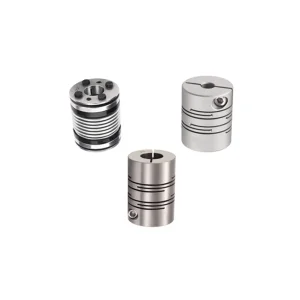
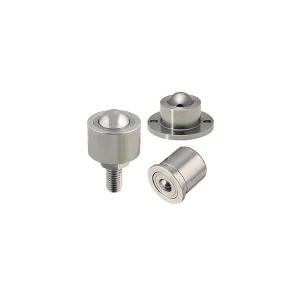
High-integrity mechanical interfaces, couplings, and motor drivers completing the motion system loop.
 BOXTOP ELECTROMECHANICAL EQUIPMENT