High-precision open loop and closed loop stepper systems certified for global engineering requirements.
Founded in Shenzhen, China, Boxtop Electromechanical Equipment (Shenzhen) Co., Ltd. has grown into a premier, verified manufacturer integrating R&D, advanced production, and global sales. For over two decades, we have dedicated ourselves to one mission: engineering high-precision, heavy-duty transmission and motor solutions that power modern industrial automation.
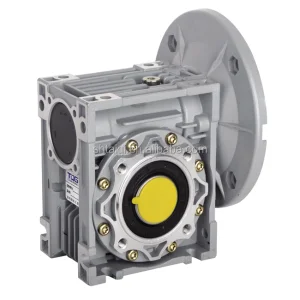
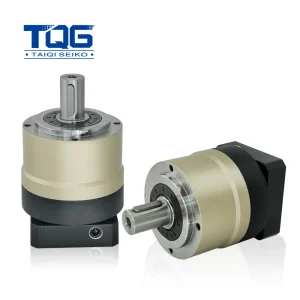
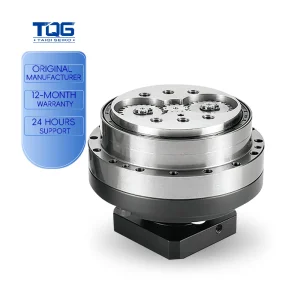
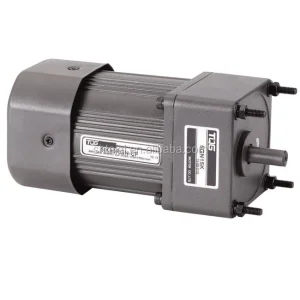
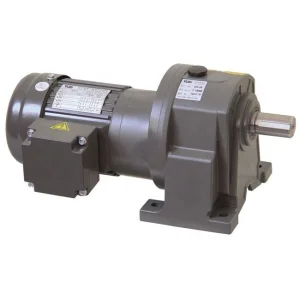
Unlike standard component suppliers, Boxtop offers a comprehensive product ecosystem. We specialize in precision planetary gearboxes, worm gear reducers, and helical gear units, perfectly integrated with our high-torque DC motors, AC motors, and brushless alternatives. By optimizing the synergy between motor and speed reducer, we provide global OEM buyers with ready-to-install micro-drives and industrial power systems that maximize efficiency and lifespan.
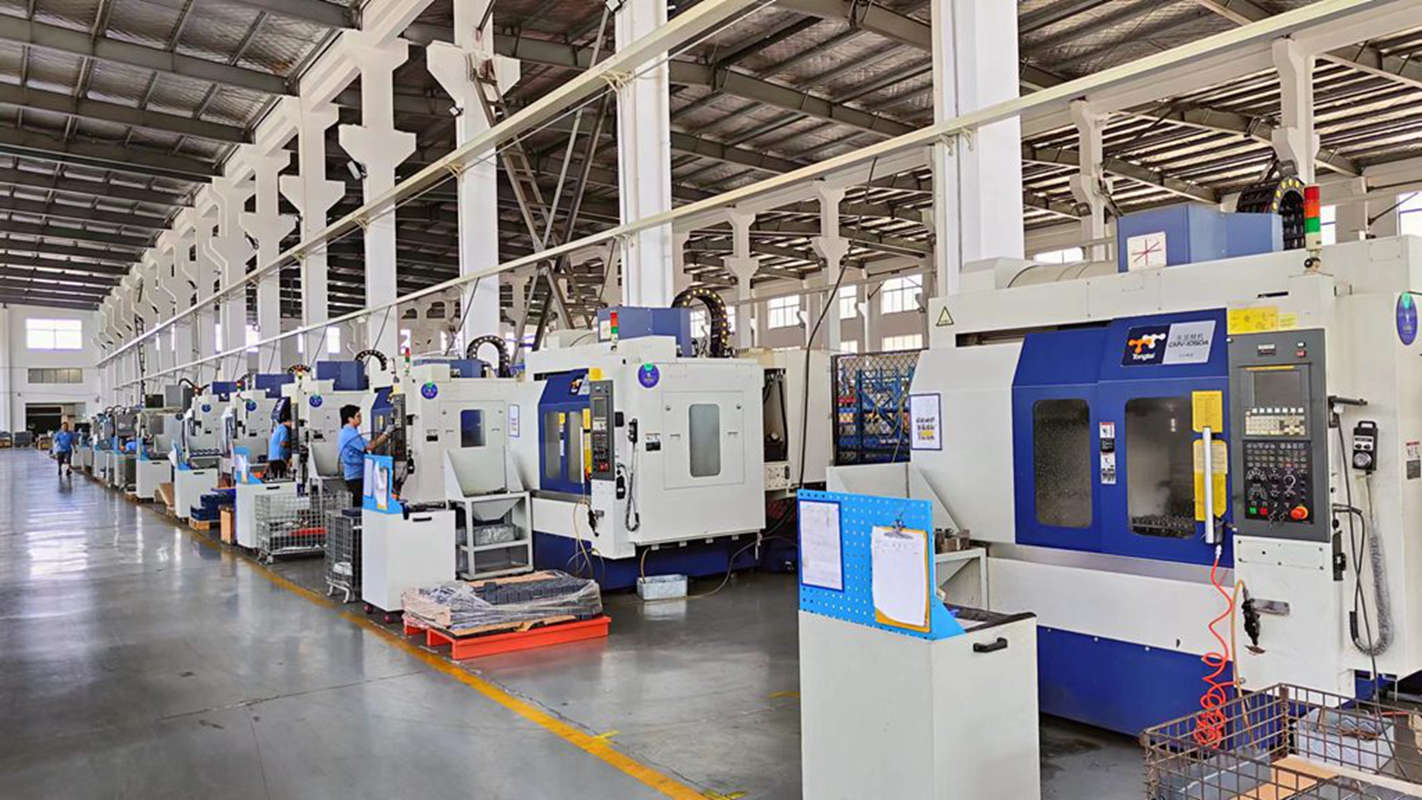
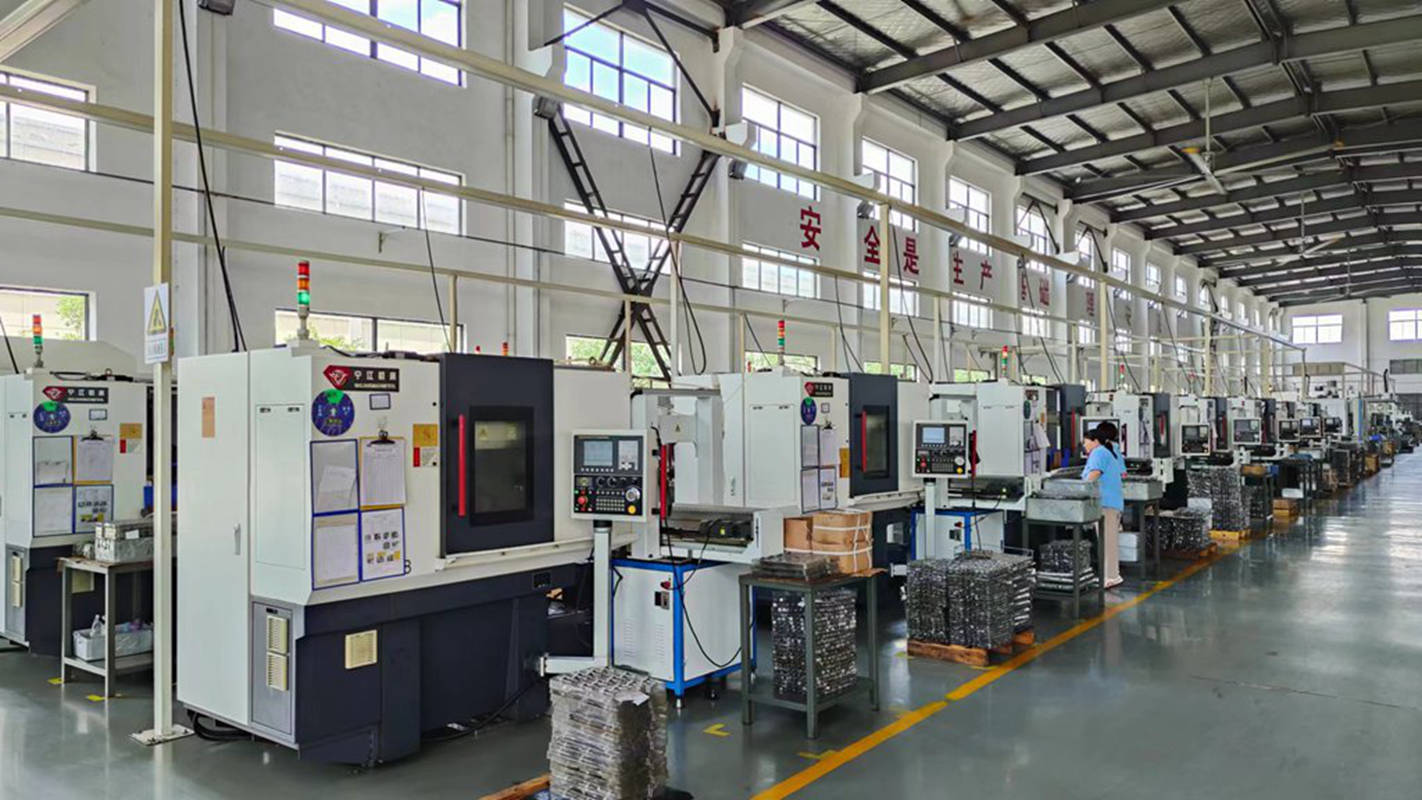
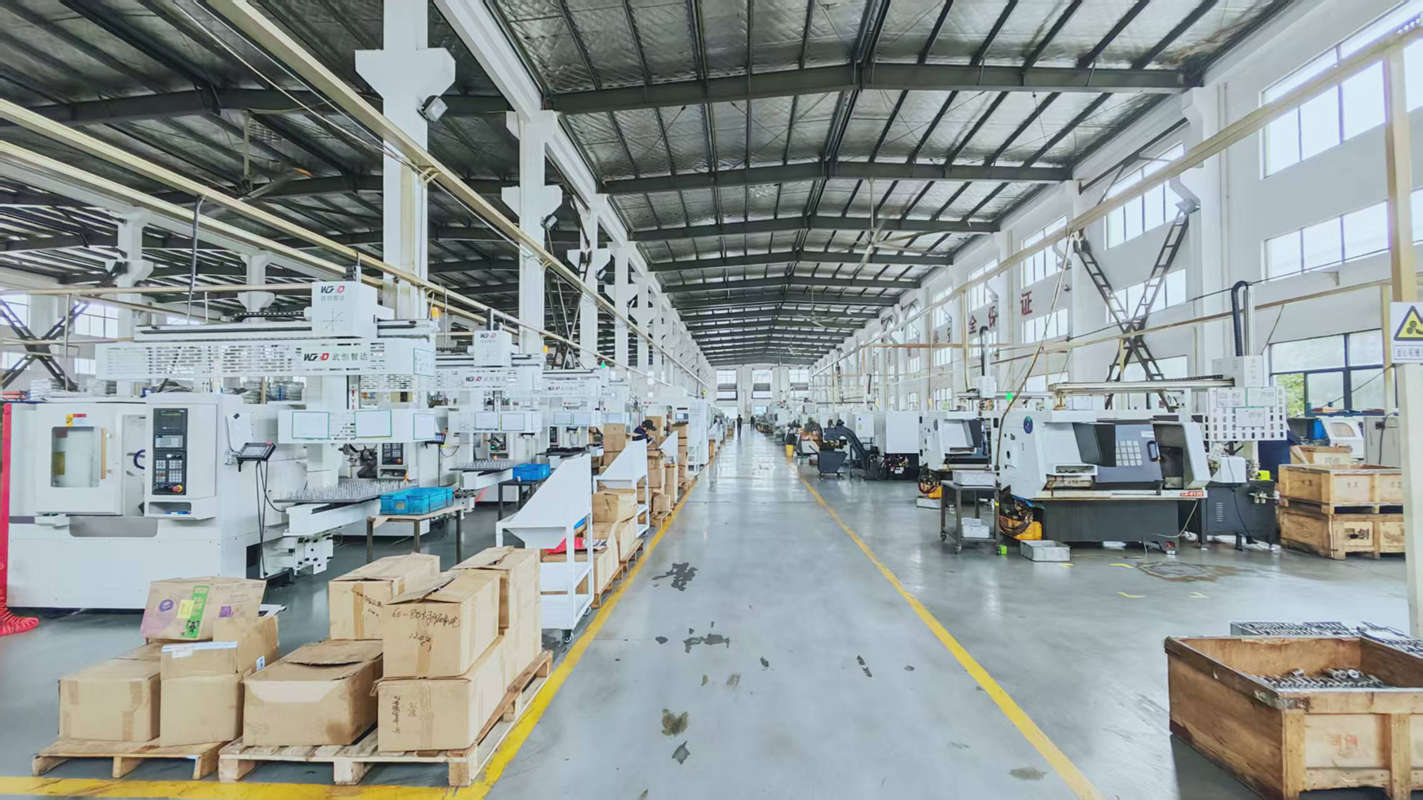
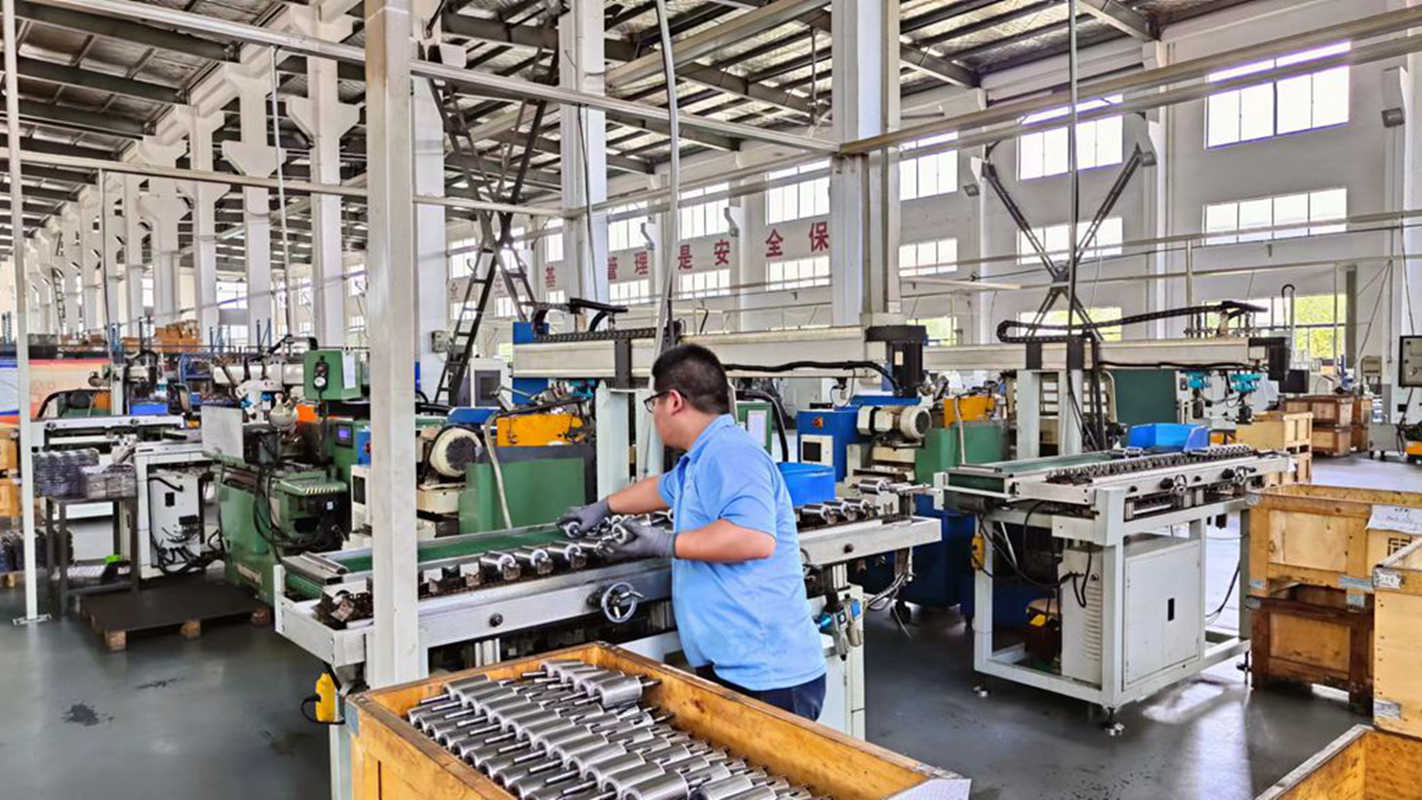
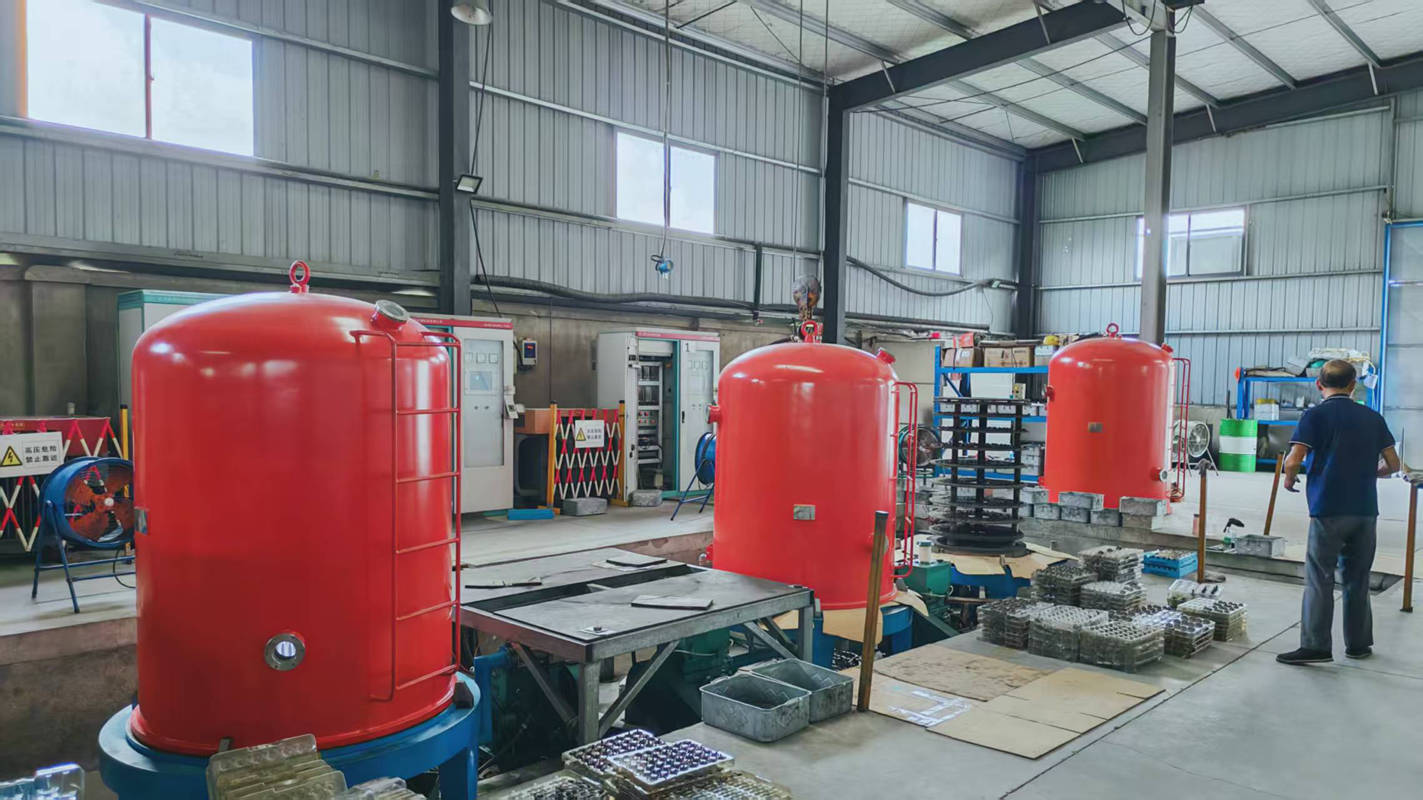
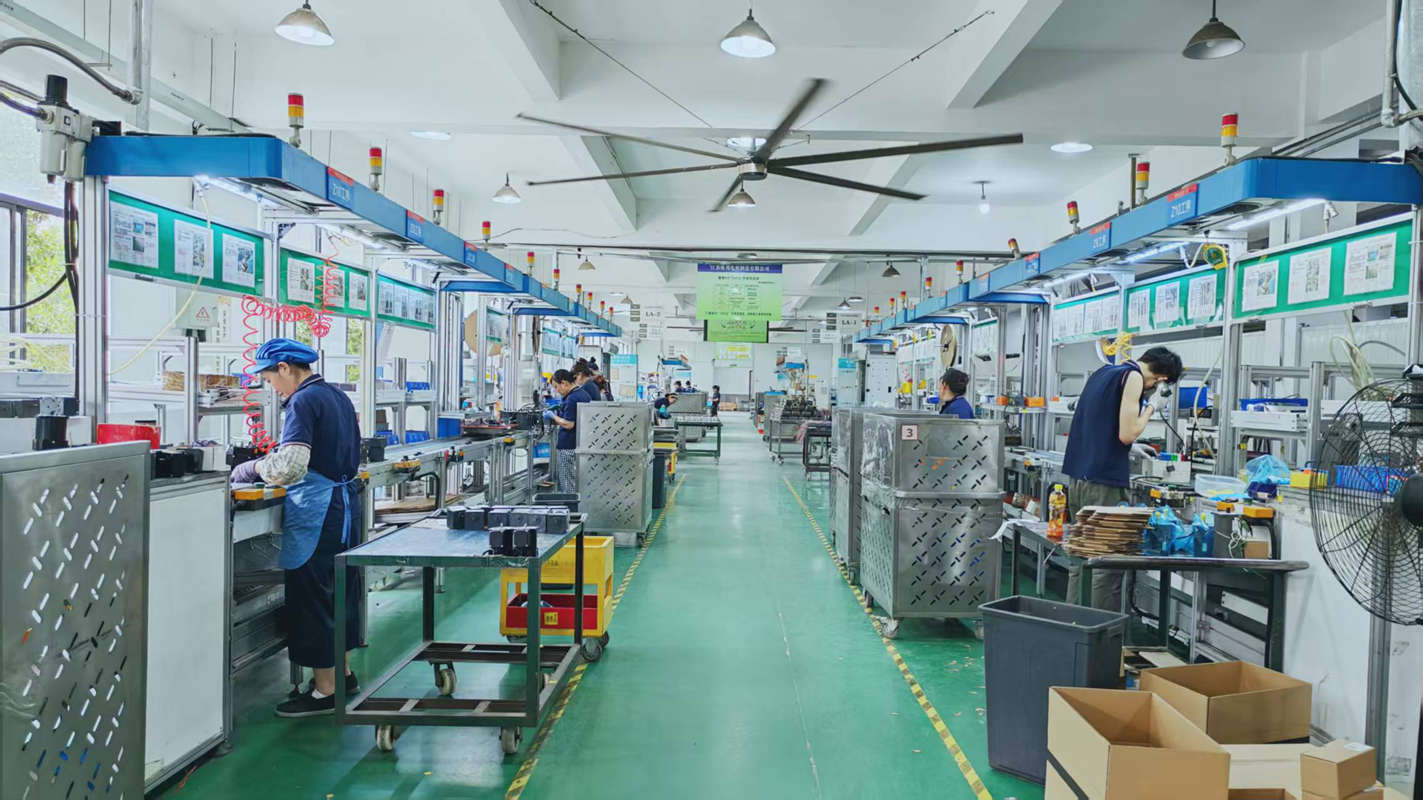
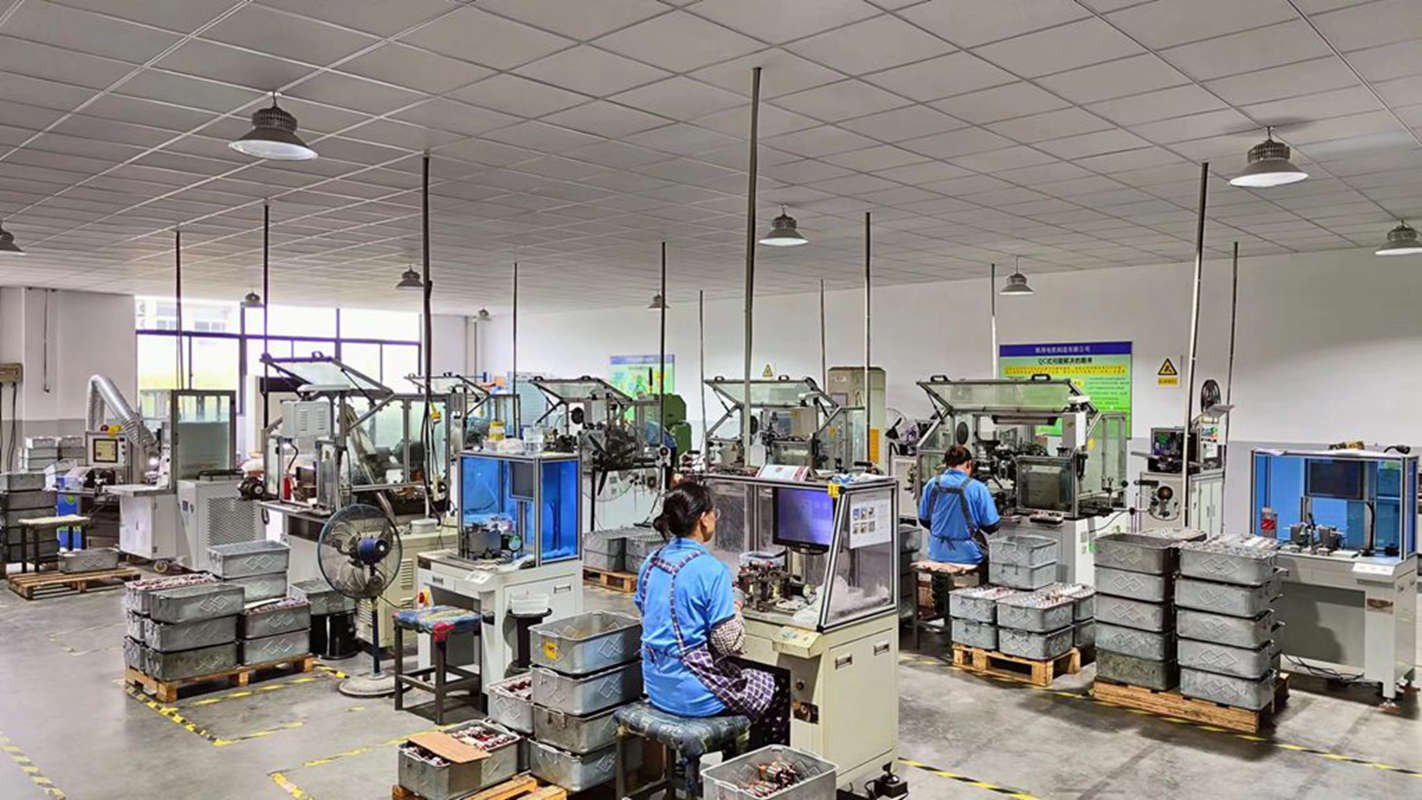
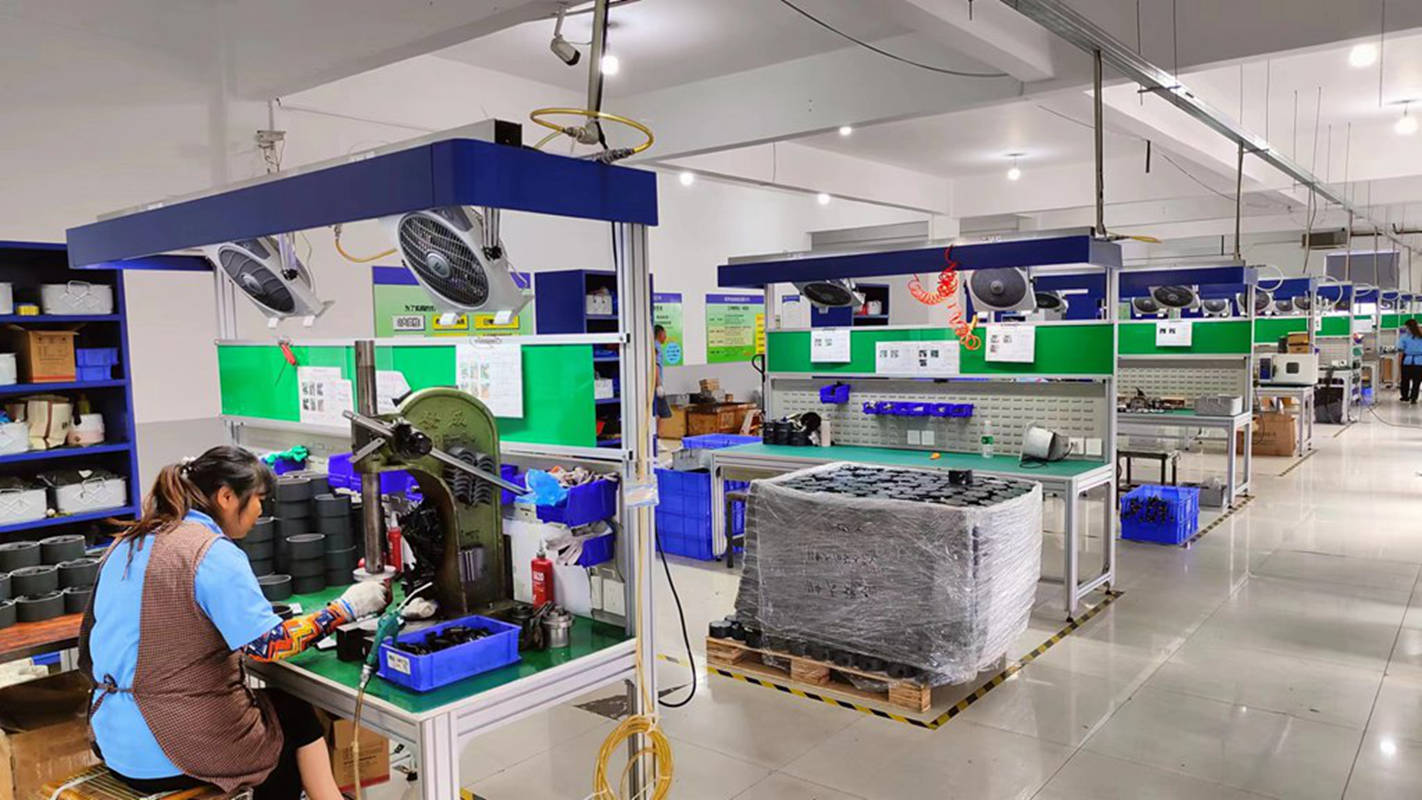
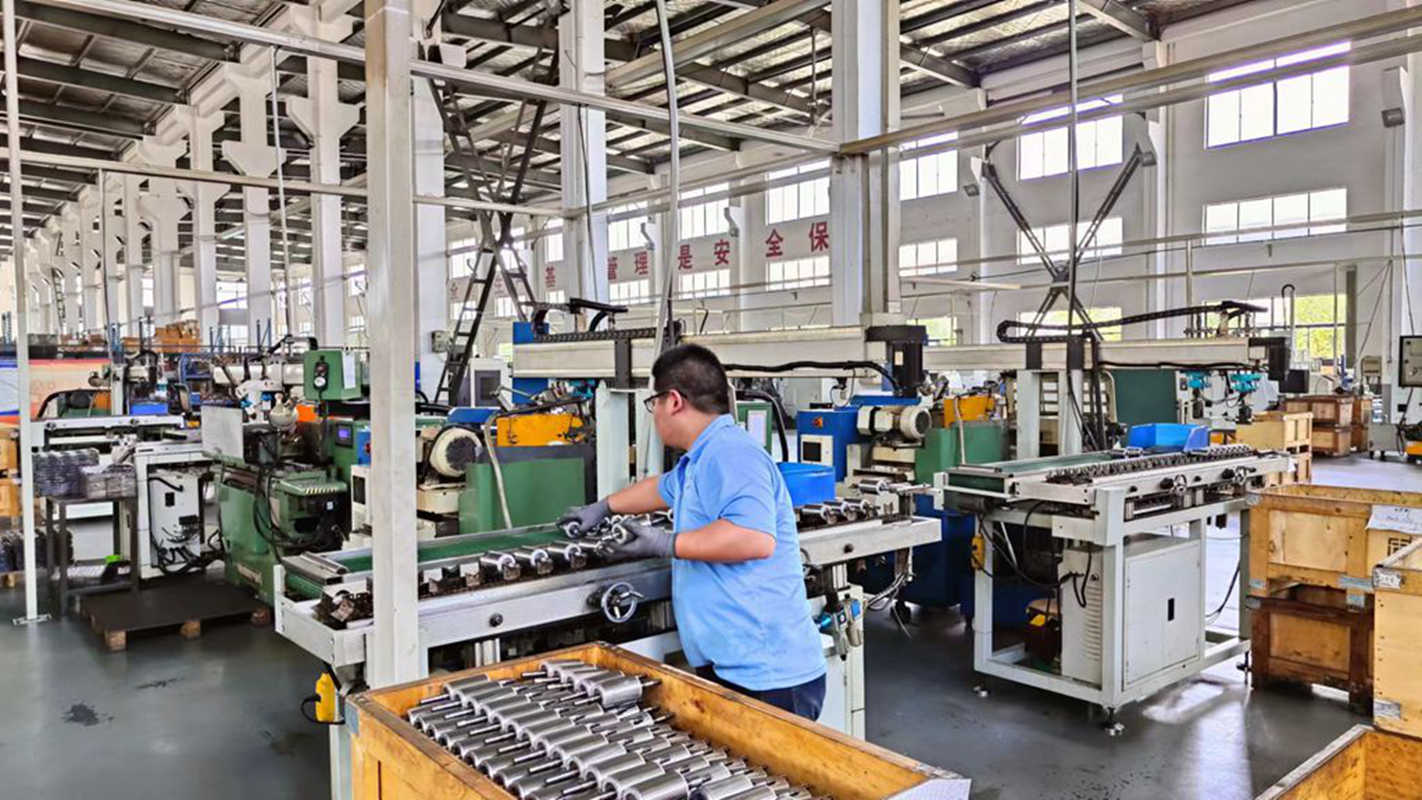
Operating from our state-of-the-art facility equipped with precision German and Japanese gear-hobbing technology (such as KOEPFER and HAMMI), we enforce rigorous quality control at every stage. From rapid engineering support to mass factory production, Boxtop is the trusted China partner driving reliability for customers in the US, Europe, Russia, Southeast Asia.
Continuous innovation in high-torque gear tooth profiles, custom electromagnetic windings, and advanced electronic drive integration.
All motor designs comply with CE, ISO9001:2015, and CCC certification requirements, guaranteeing global market entry compliance.
Engineered using German and Japanese machining centers, ensuring sub-micron manufacturing accuracy across gears and shafts.
Deciding between servo and stepper motors is a critical design choice. Our engineering comparison outlines the dynamic performance envelopes of both technologies.
| Performance Attribute | Stepper Motors (Open / Closed Loop) | Servo Motors (Brushless AC / DC) | Application Thresholds |
|---|---|---|---|
| Torque Curve profile | Maximum torque at zero speed (holding torque). Drastic fall-off as RPM increases. | Flat torque profile across the entire operating speed range (high RPM capability). | Use Steppers for low-speed holding; Servos for high-speed dynamic tracking. |
| Position Feedback | Typically open-loop (position inferred by pulses); closed-loop options use encoders. | Always closed-loop. High-resolution absolute or incremental encoder feedback. | Servos prevent cumulative positioning errors completely. |
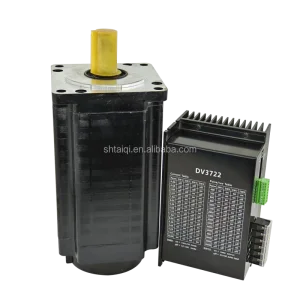
| Resonance & Vibration | Pronounced resonance zones. Requires microstepping or damper setups. | Smooth operation at all speeds. Automated tuning filters out resonance. | Steppers require driver tuning (e.g., DM860H) to suppress system vibration. |
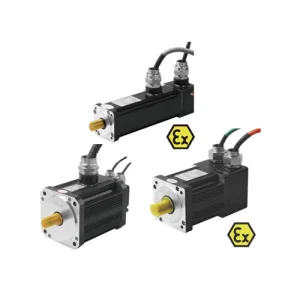
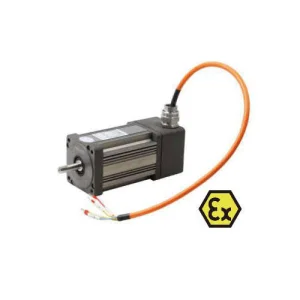
| Explosion Protection | Complex design. Custom explosion-proof enclosures required. | Inherently easier to seal for hazardous zones (e.g., 150EX series). | Crucial for coal mining, oil & gas, and chemical spray systems. |
| Relative System Cost | High cost-efficiency. Simplified setup. No tuning required (for open loop). | Higher initial investment. Demands sophisticated tuning and drives. | Steppers offer the best ROI for simple, static-load automation. |
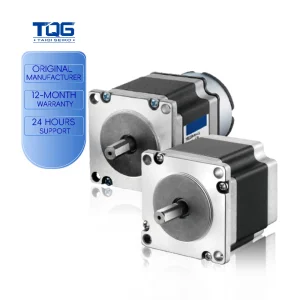
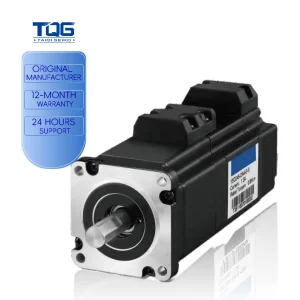
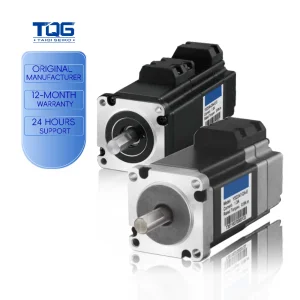
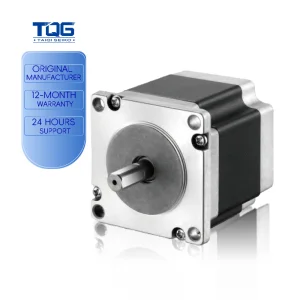
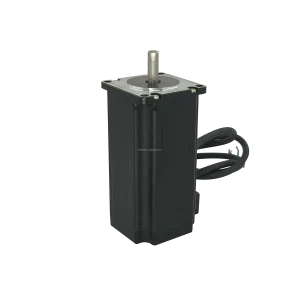
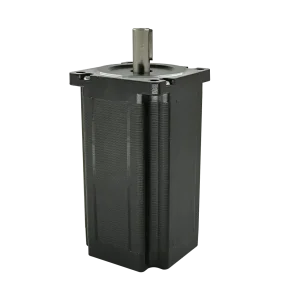
At Boxtop Electromechanical, we manufacture both technologies. Hybrid stepper motors (such as our NEMA 23 and NEMA 34 models) utilize high-coercivity permanent magnets and specialized stator laminations to maximize low-speed torque density. For demanding dynamic profiles, our hybrid servo solutions merge the high pole-count of a stepper with the closed-loop tracking of a servo motor, preventing stall conditions and step losses.
The global motion control market is evolving towards decentralized intelligence, communication integration, and severe-duty survival capability.
Modern manufacturing plants are shifting away from massive electrical cabinets. Instead, engineers favor integrated motors that combine the driver, encoder, and motor into a single housing. This eliminates shielded cabling requirements, mitigates electromagnetic interference (EMI), and drastically simplifies assembly.
Legacy step-and-direction interfaces are being replaced by high-speed fieldbus interfaces. Real-time protocols like EtherCAT, CANopen, and Modbus TCP allow industrial controllers to adjust current loops dynamically, query motor status diagnostic parameters, and implement predictive maintenance.
Automation is moving into extremely harsh environments. Chemical printing machines, coal processing, and offshore facilities demand motors built to withstand explosive vapors, fine particulate contamination, and direct washdown. This has driven the adoption of IP65/IP67 rated explosion-proof hybrid drives.
Every industry possesses distinct performance parameters. We engineer solutions that align with specific operational environments.
Requires exceptional holding torque and structural stiffness to combat cutter deflection forces. Open-loop NEMA 34 systems coupled with low-backlash speed reducers are standard configurations.
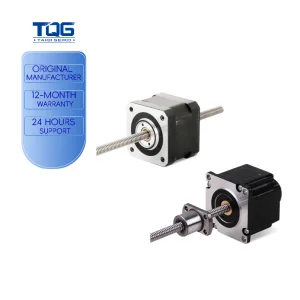
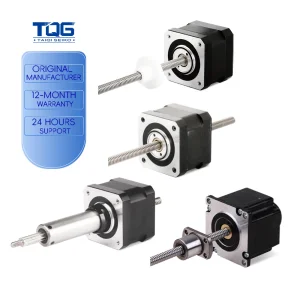
Solution: TQG High-Torque NEMA 34 Linear ActuatorsAtmospheres filled with fine explosive coal dust or solvent vapors require sparkless operation and sealed housings. The motor must limit heat generation to prevent ignition.
Solution: 150EX Series Explosion-Proof ServosHigh precision at low speeds, dynamic acceleration curves, and minimal motor vibration are essential to prevent surface defects on micro-components.
Solution: NEMA 23 Stepper Motors with DM542 DriversYears Experience
Export Countries
Annual Capacity
Machining Precision
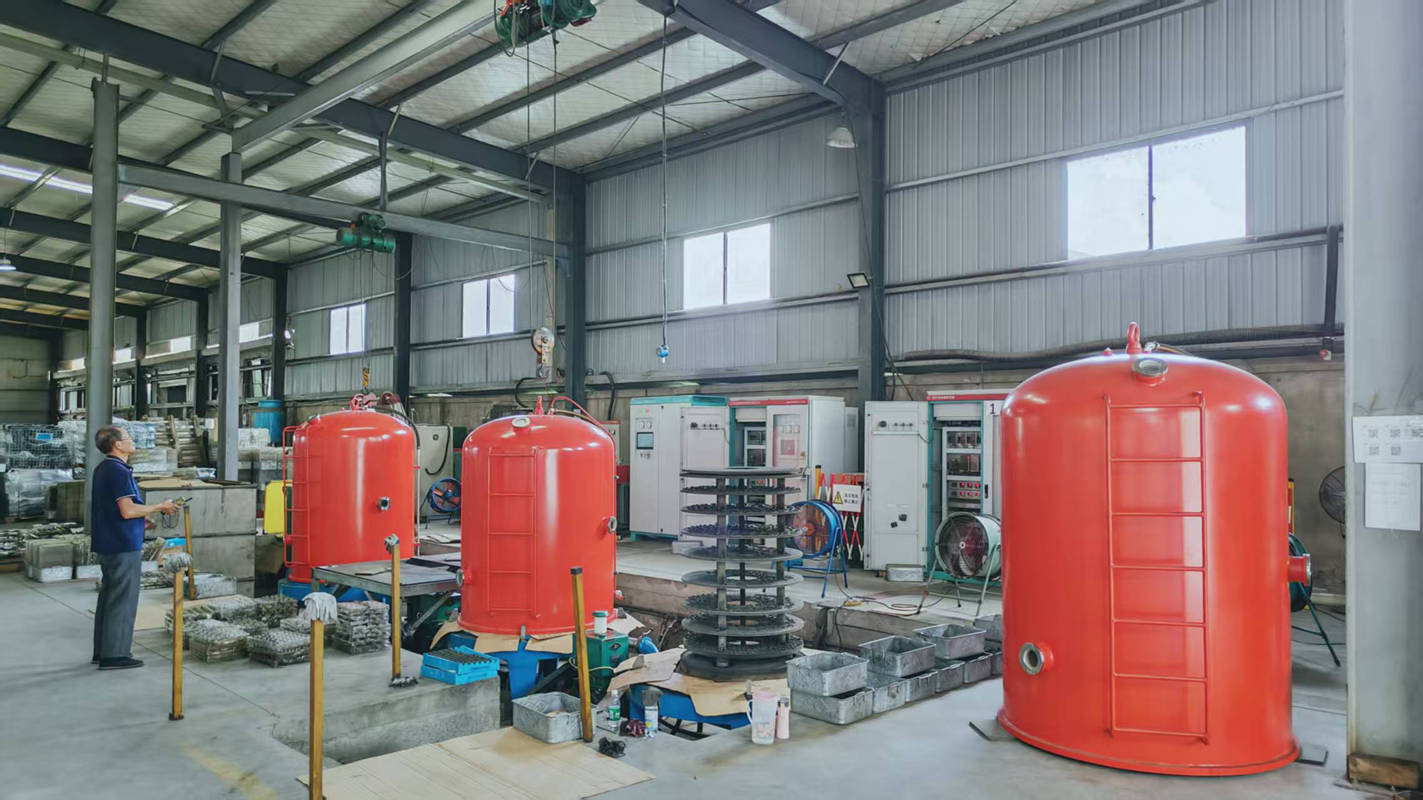
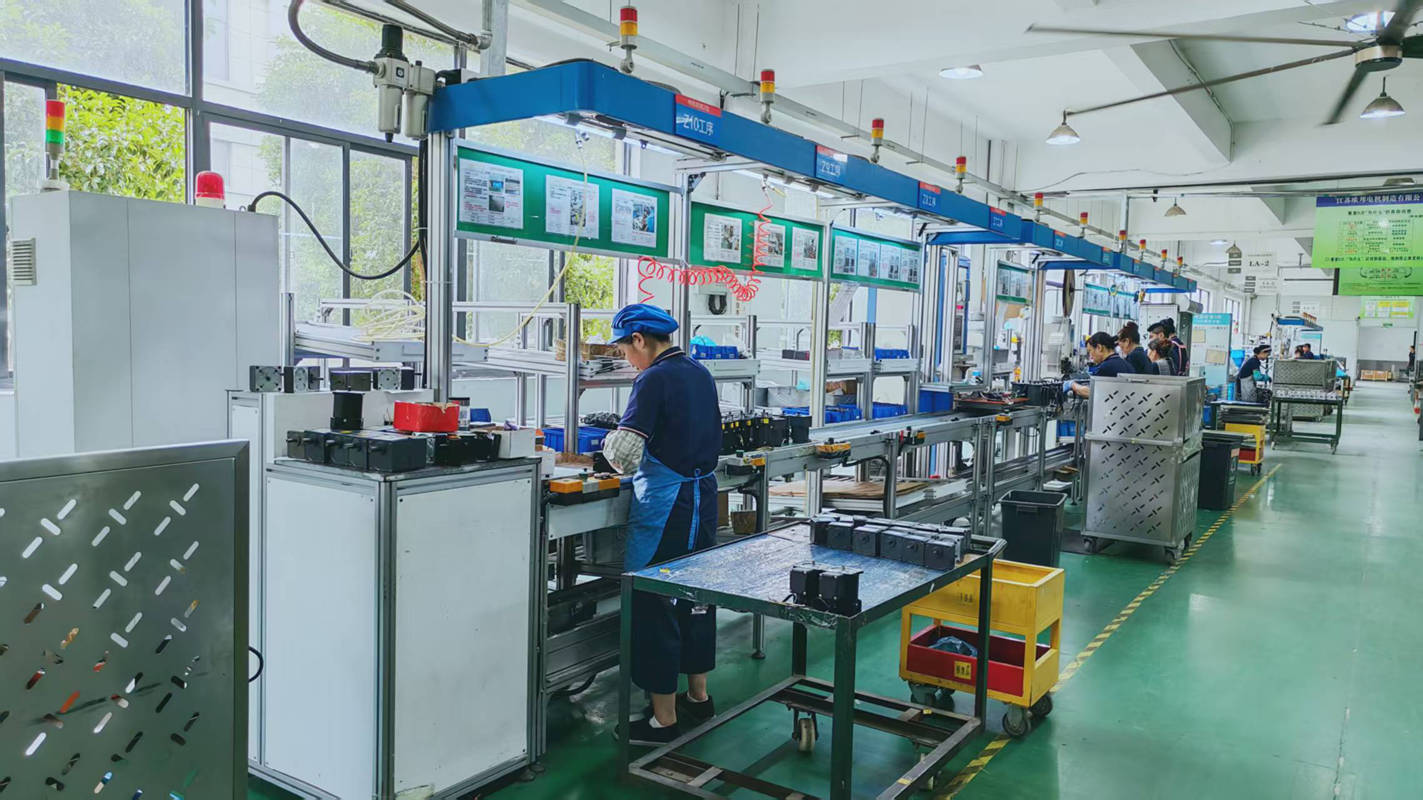
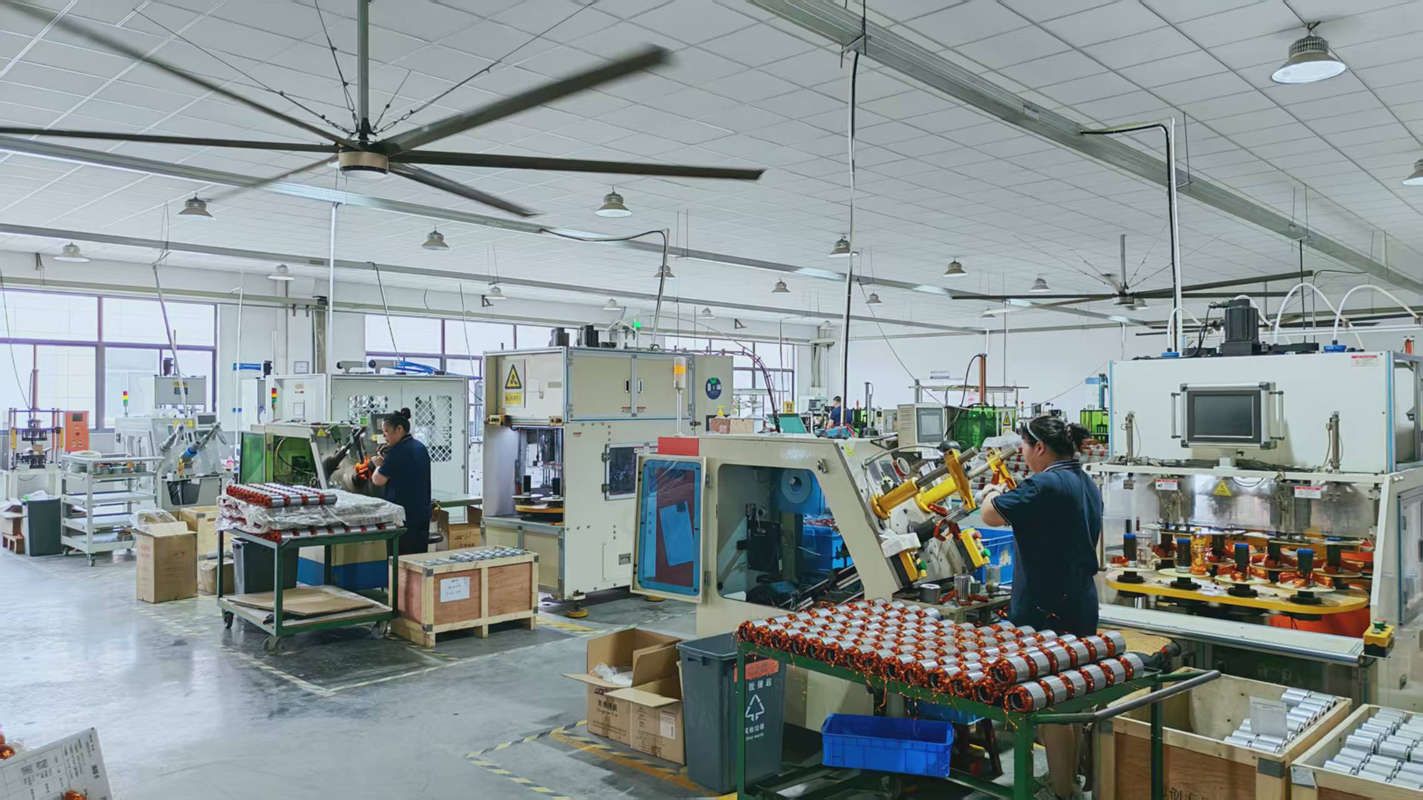
Inside Boxtop's state-of-the-art Shenzhen factory. We leverage top-tier German and Japanese machinery to ensure the highest reliability of our motor and gearbox products.
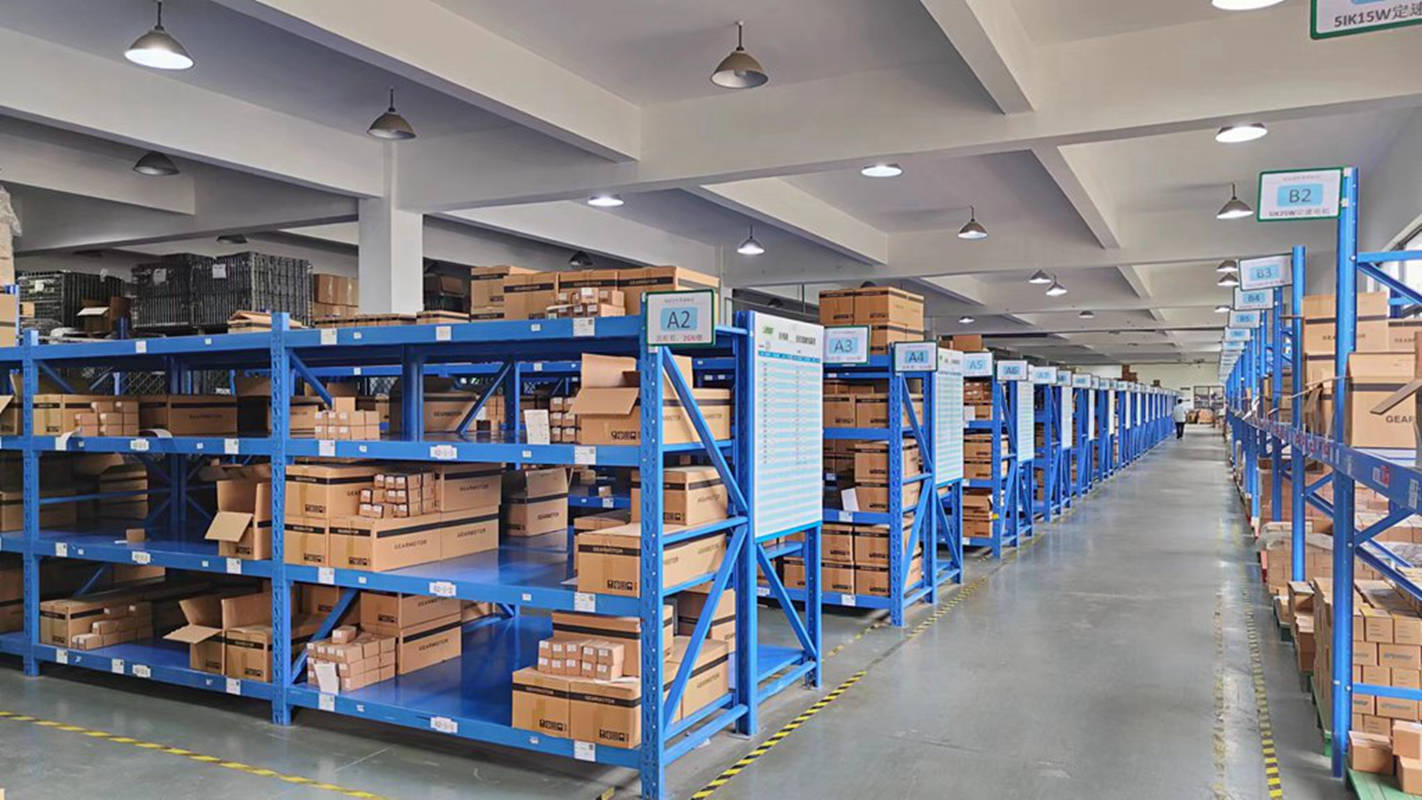
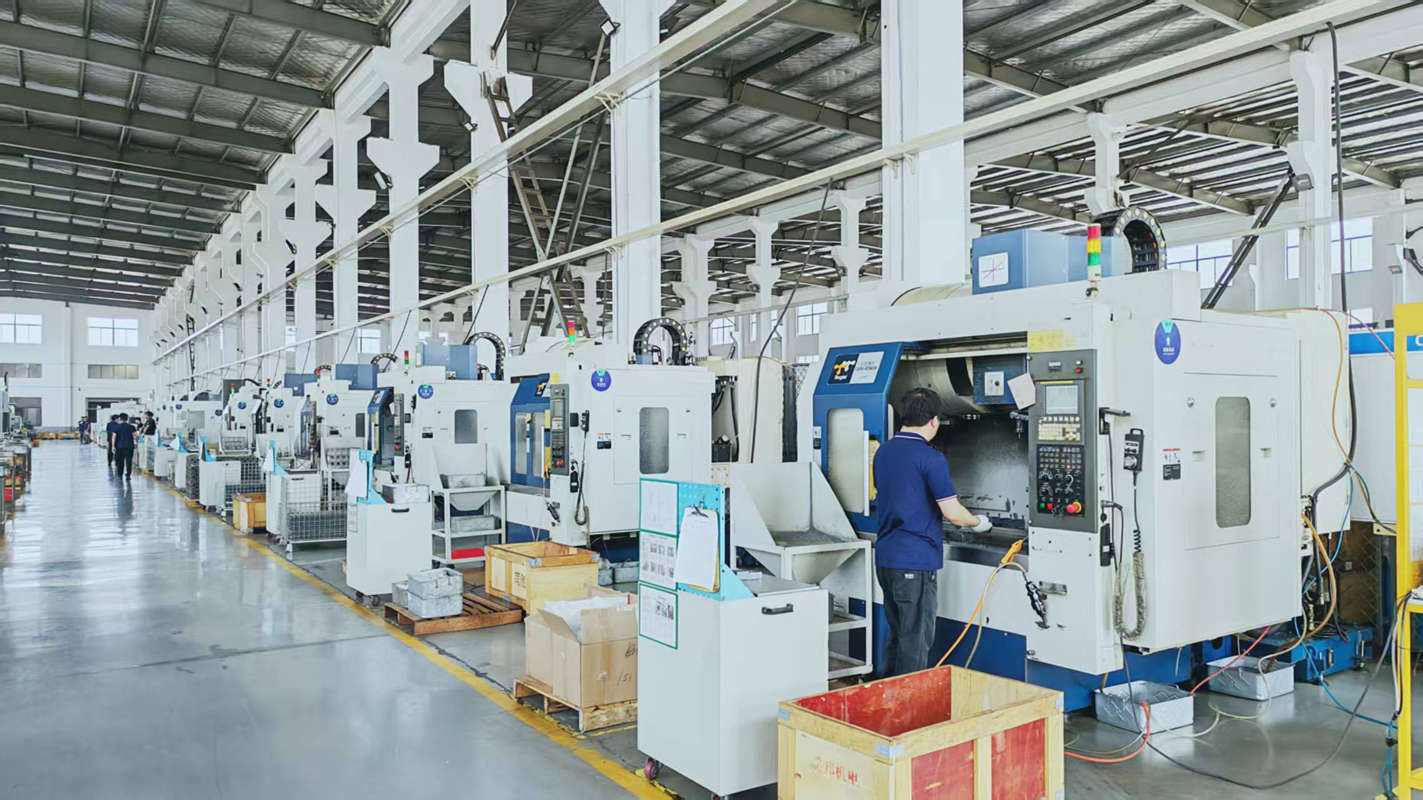
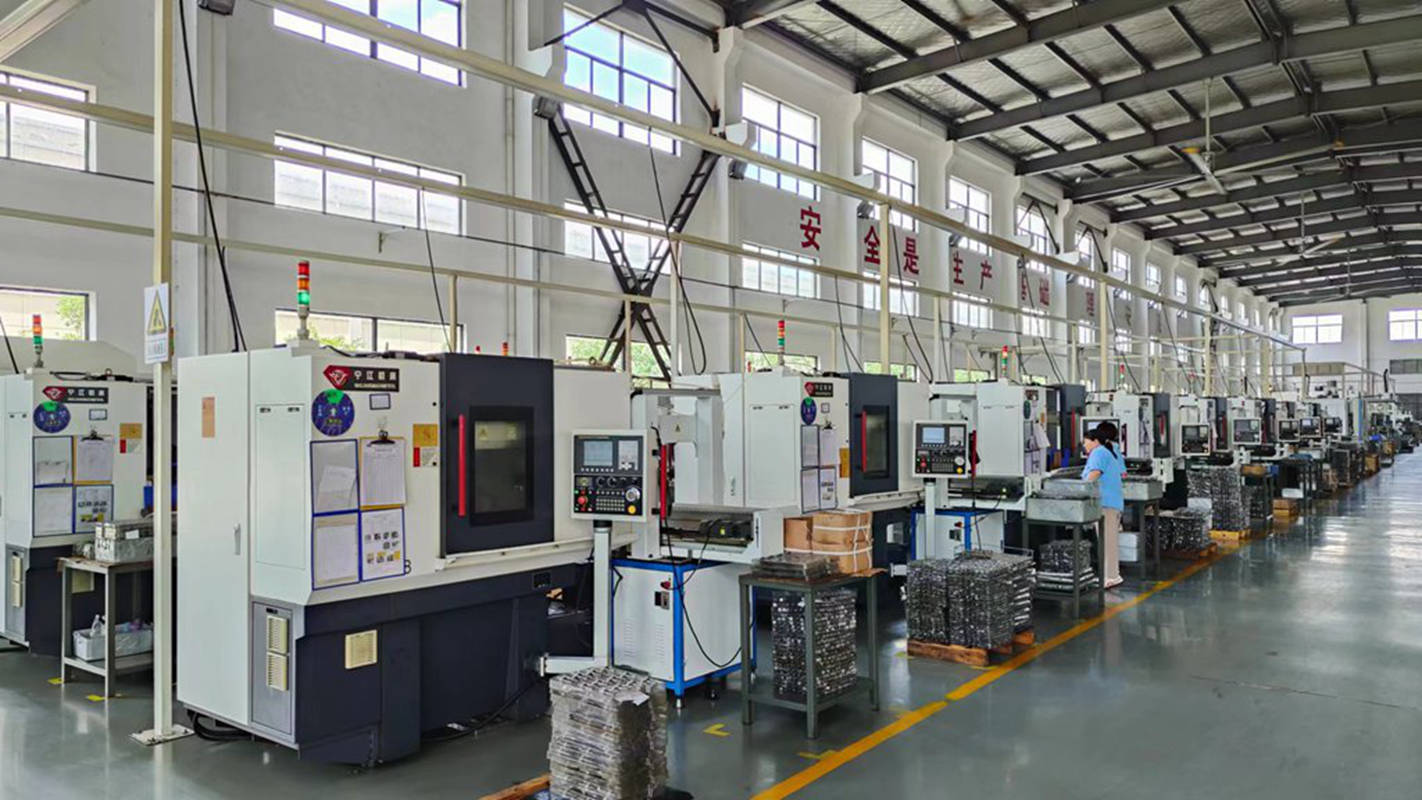
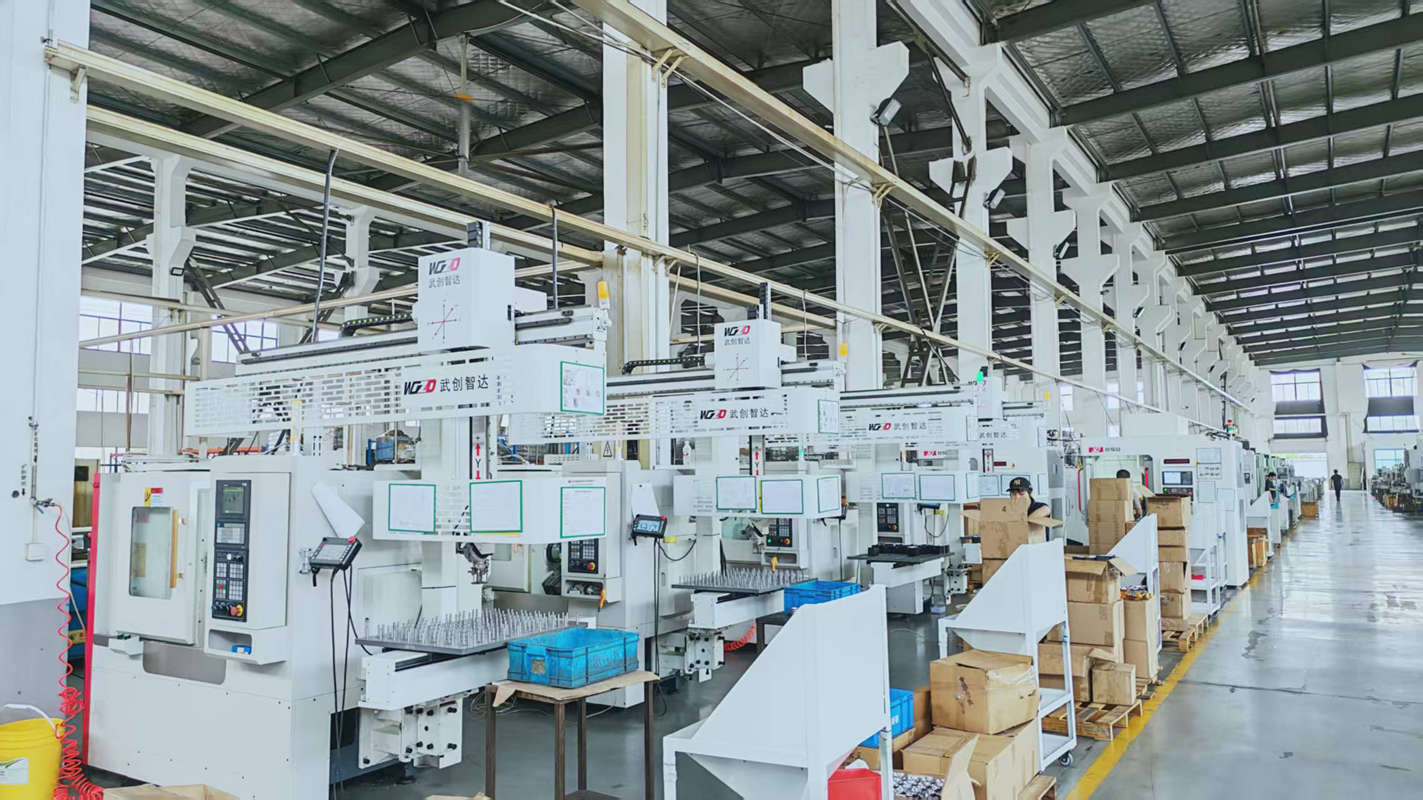
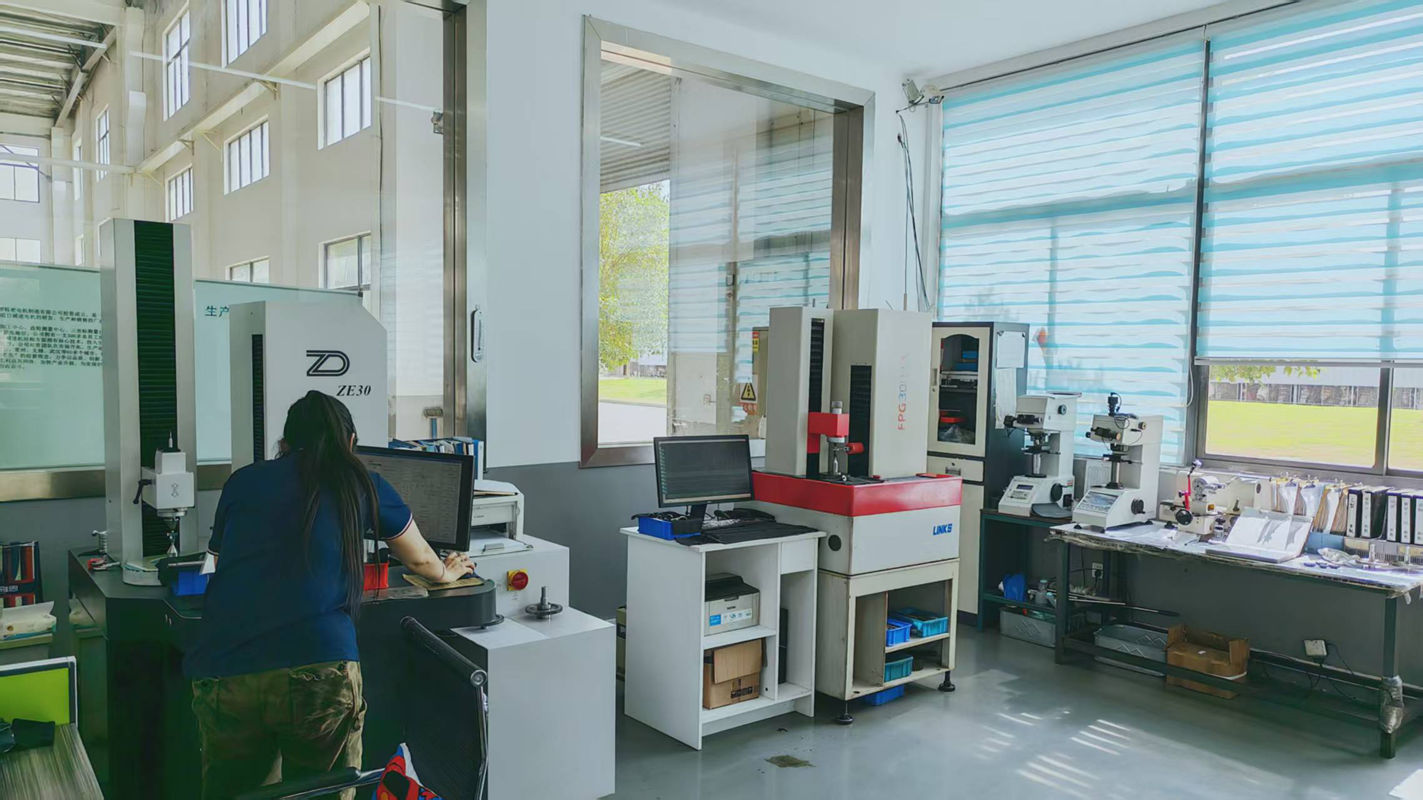
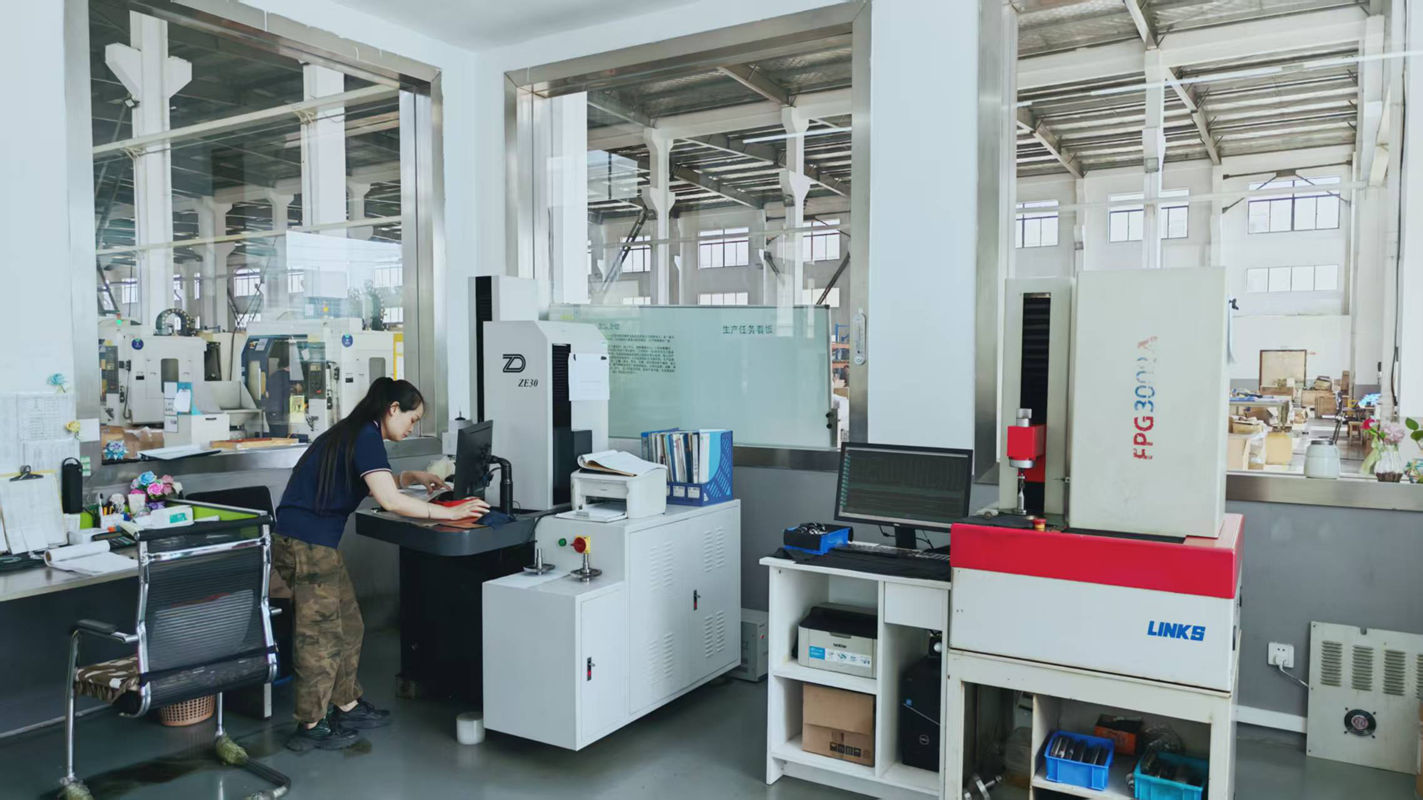
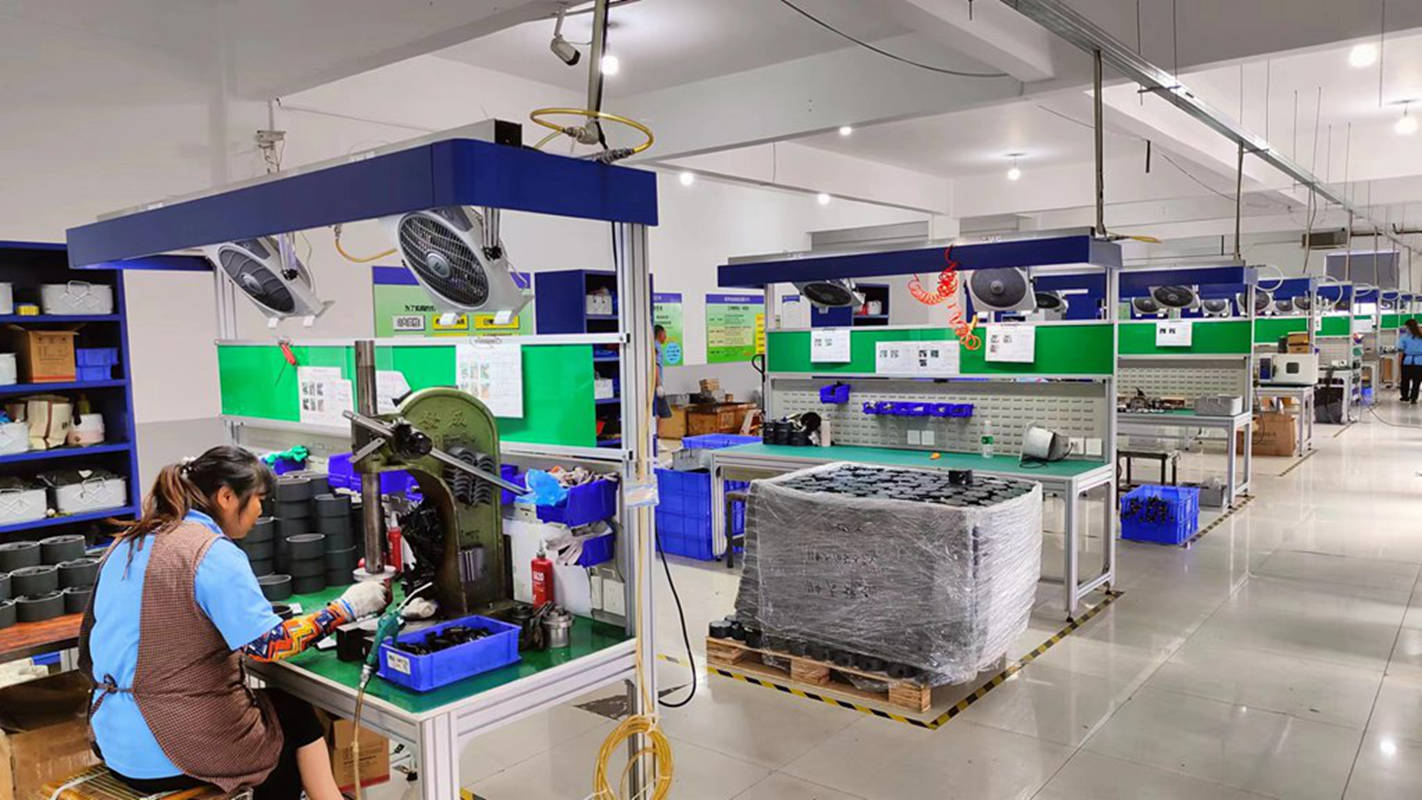
Industry-leading insights and technical guidelines provided by the Boxtop R&D department.
High-torque gear reducers and specialized hazardous-duty motors engineered to industrial standard specifications.
 BOXTOP ELECTROMECHANICAL EQUIPMENT