In the current industrial epoch, defined by the "Industry 4.0" paradigm, the role of Steering Gearbox Factories has evolved from simple component fabrication to complex mechatronic system integration. As the backbone of directional control in everything from autonomous guided vehicles (AGVs) to precision surgical robotics, the global demand for high-torque, zero-backlash steering systems is surging.
Major manufacturing hubs in China, particularly in tech-centric regions like Shenzhen, are now leading the charge in precision gear-hobbing technology. By leveraging German engineering standards (KOEPFER/HAMMI) and Japanese quality control philosophies, modern exporters are bridging the gap between high-volume cost efficiency and high-spec aerospace tolerances.
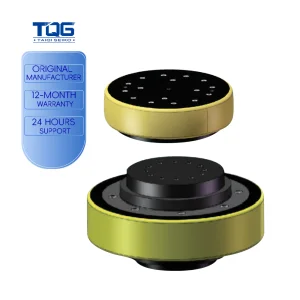
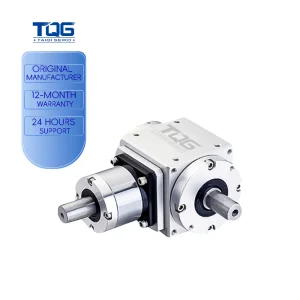
Ideal for high torque density and coaxial alignment. Modern planetary steering gearboxes utilize hardened stainless steel gears for extreme durability in harsh environments.
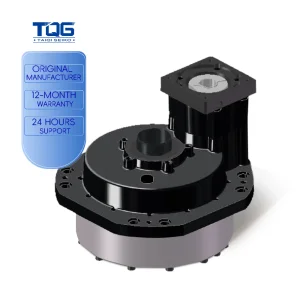
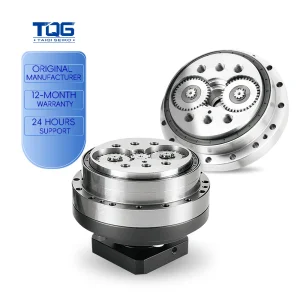
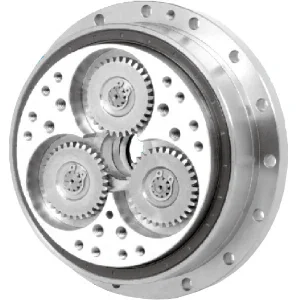
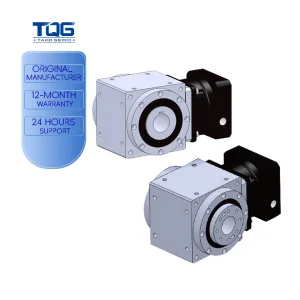
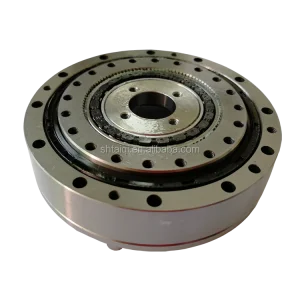
Offering superior shock load resistance and compact footprint. The RV Series is the gold standard for robotic arm joints, providing unmatched rigidity and precision.
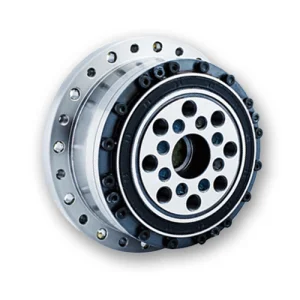
Achieving "Zero Backlash" is the ultimate goal for semiconductor and medical applications. Harmonic reducers allow for high reduction ratios in a lightweight, single-stage package.
Future trends indicate a shift toward Sensor-Integrated Gearboxes. By embedding torque sensors and thermal encoders directly into the gearbox housing, OEM manufacturers provide real-time data feedback, enabling predictive maintenance and AI-driven motion optimization.
As a specialized ODM Steering Gearbox Factory, Boxtop Electromechanical recognizes that a "one-size-fits-all" approach no longer suffices. Modern industrial challenges require localized, application-specific solutions:
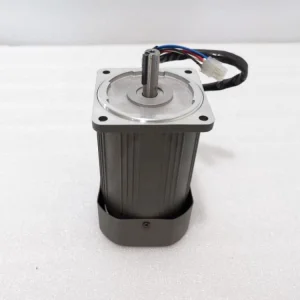
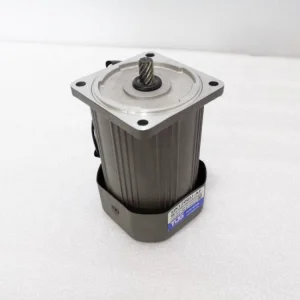
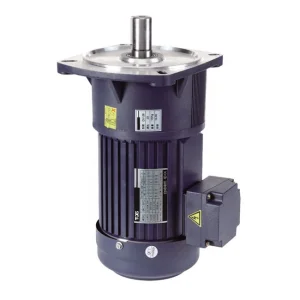
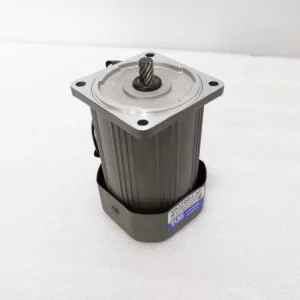
Low-profile steering units with high radial load capacity are essential for compact AGVs. Our 750W integrated motor-reducers are designed for 24/7 duty cycles in automated fulfillment centers.
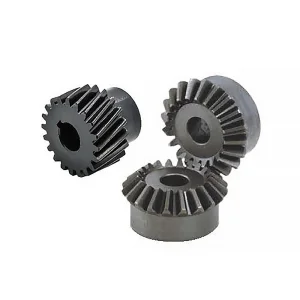
For CNC and semiconductor equipment, we provide stainless steel bevel gears and rack-pinion systems that resist corrosion and maintain sub-micron accuracy over millions of cycles.
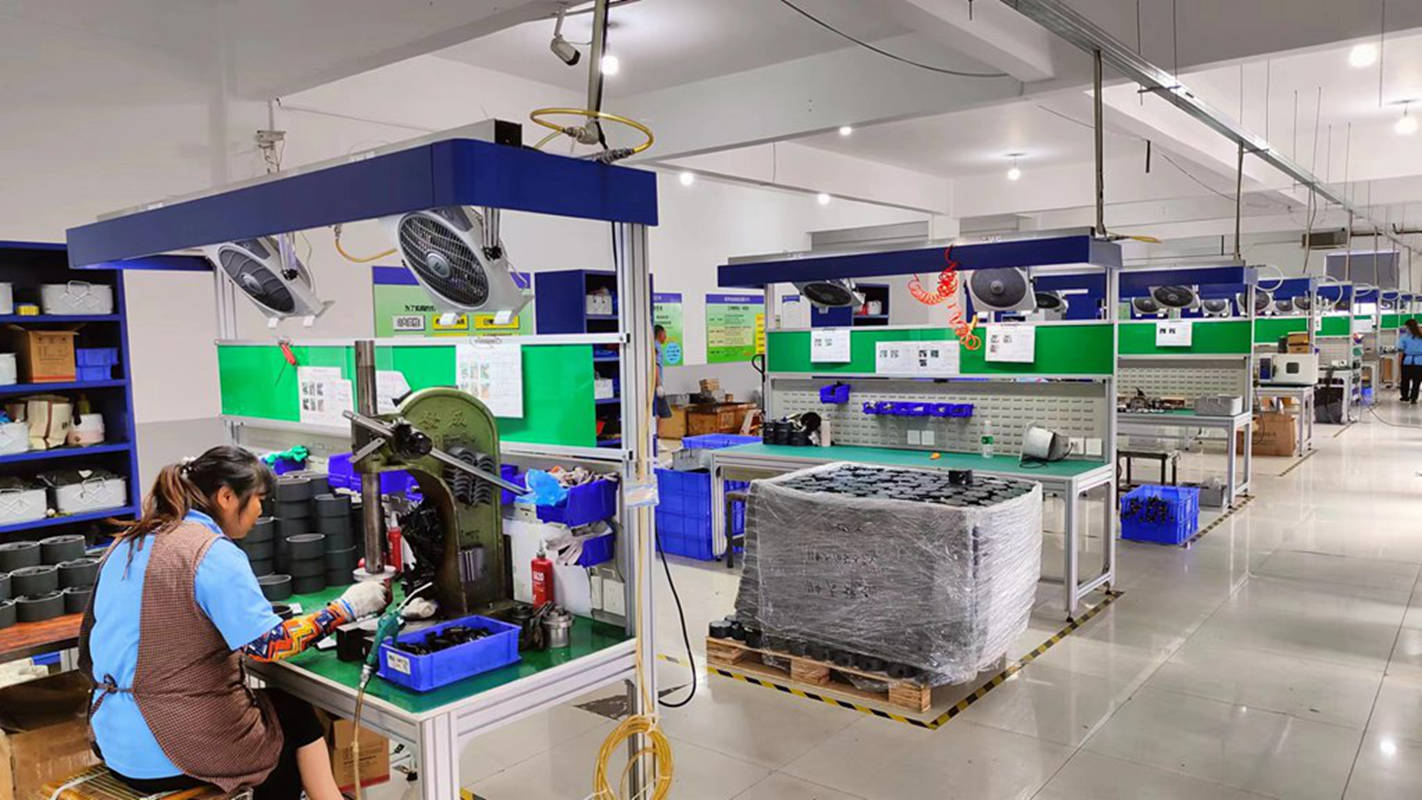
Founded in Shenzhen, China, Boxtop Electromechanical Equipment (shenzhen) Co., Ltd. has grown into a premier, verified manufacturer integrating R&D, advanced production, and global sales. For over two decades, we have dedicated ourselves to one mission: engineering high-precision, heavy-duty transmission and motor solutions that power modern industrial automation.
Unlike standard component suppliers, Boxtop offers a comprehensive product ecosystem. We specialize in precision planetary gearboxes, worm gear reducers, and helical gear units, perfectly integrated with our high-torque DC motors, AC motors, and brushless alternatives. By optimizing the synergy between motor and speed reducer, we provide global OEM buyers with ready-to-install micro-drives and industrial power systems that maximize efficiency and lifespan.
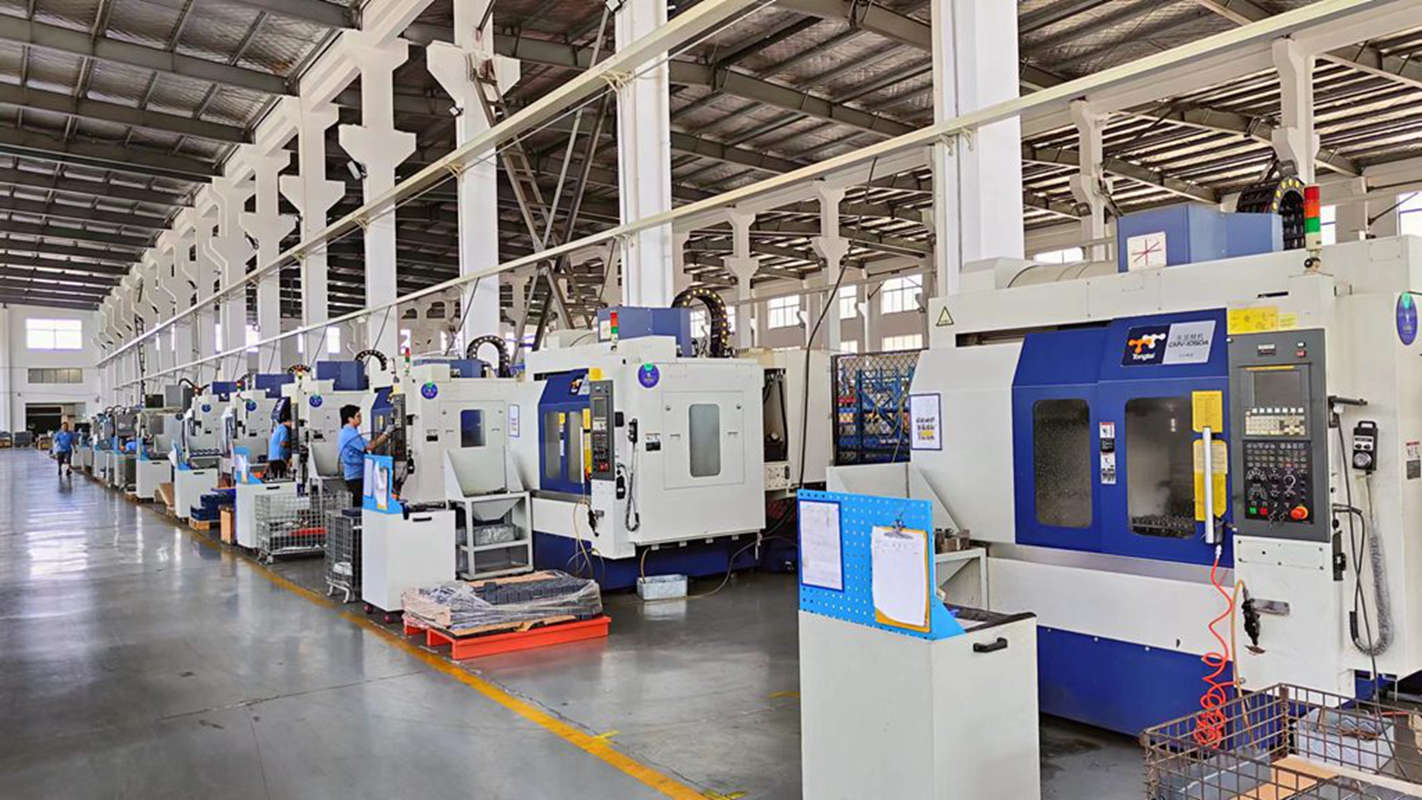
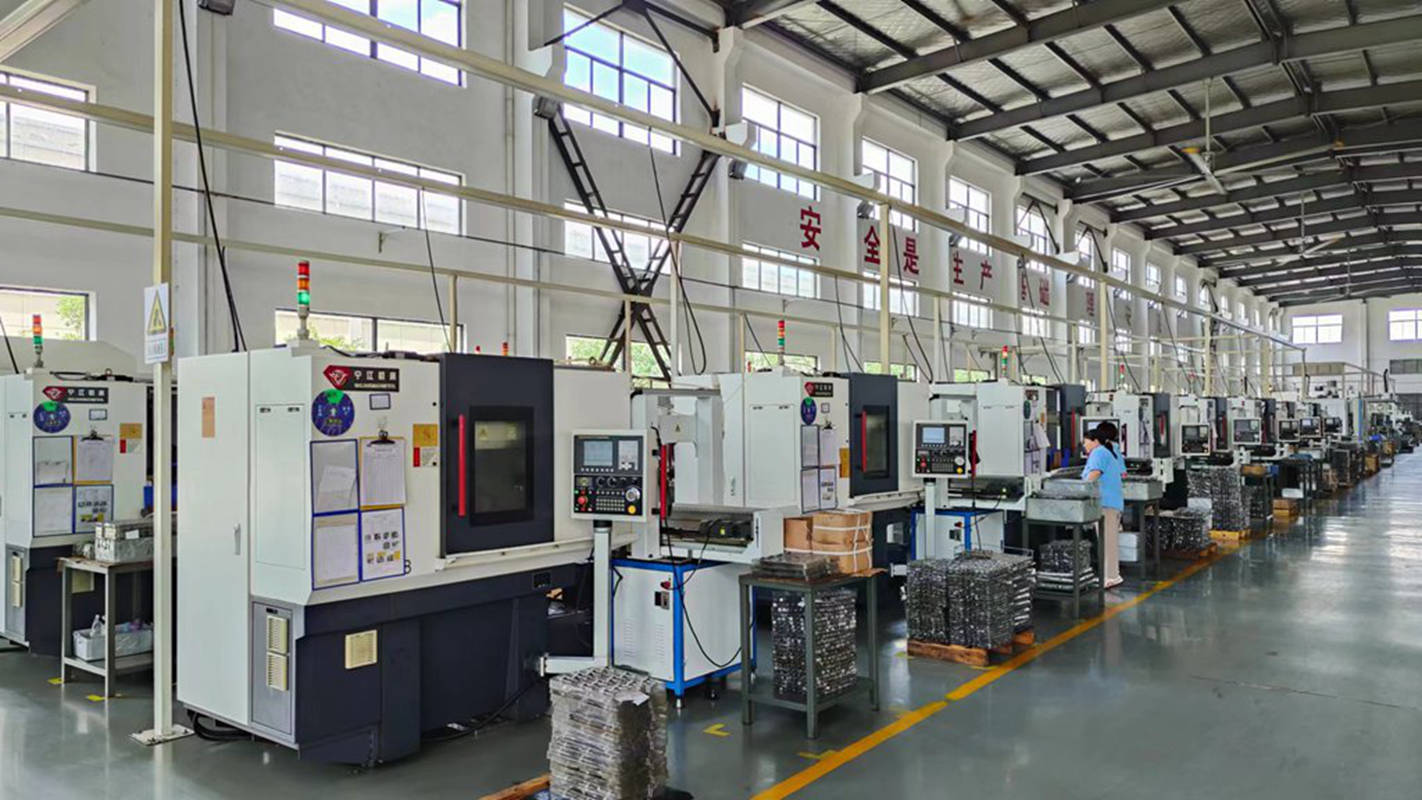
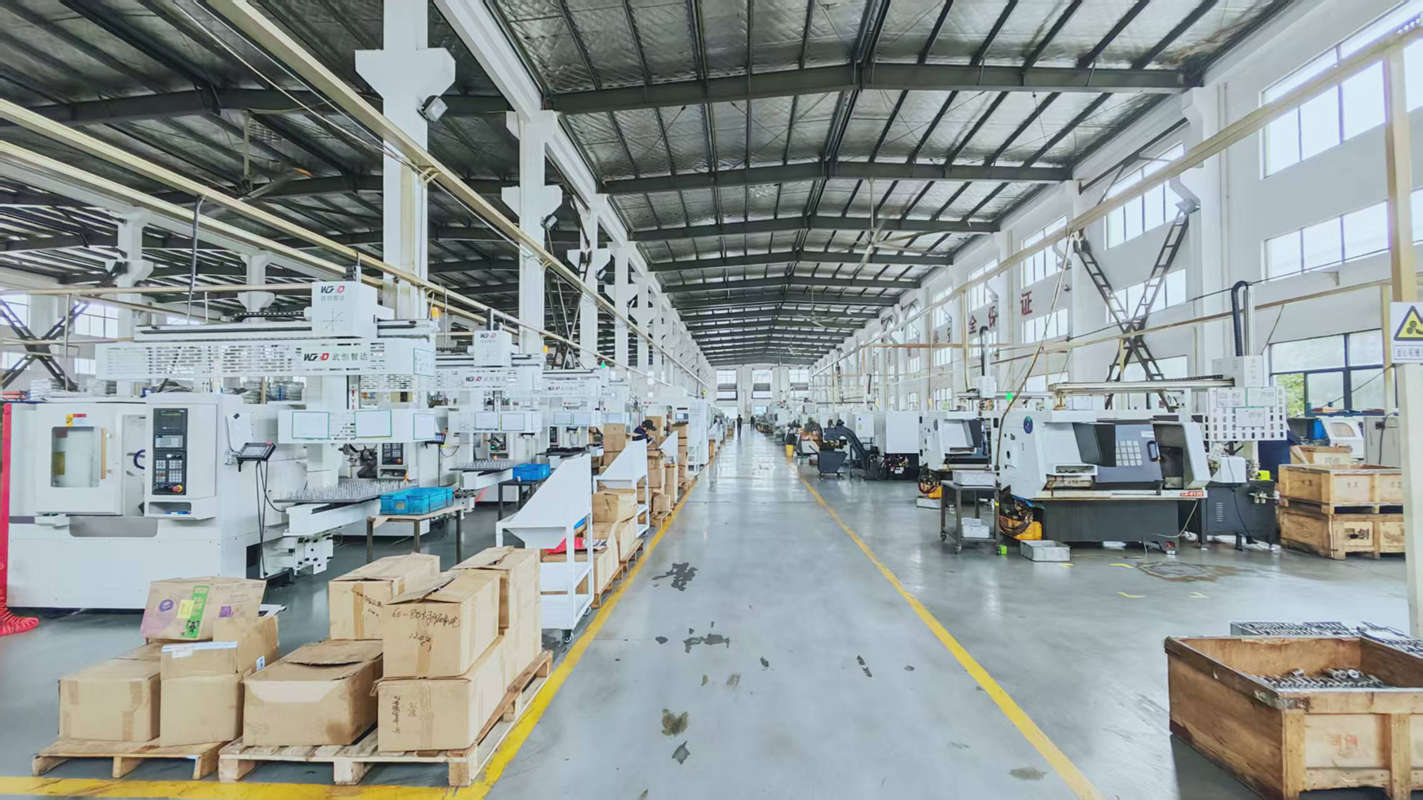
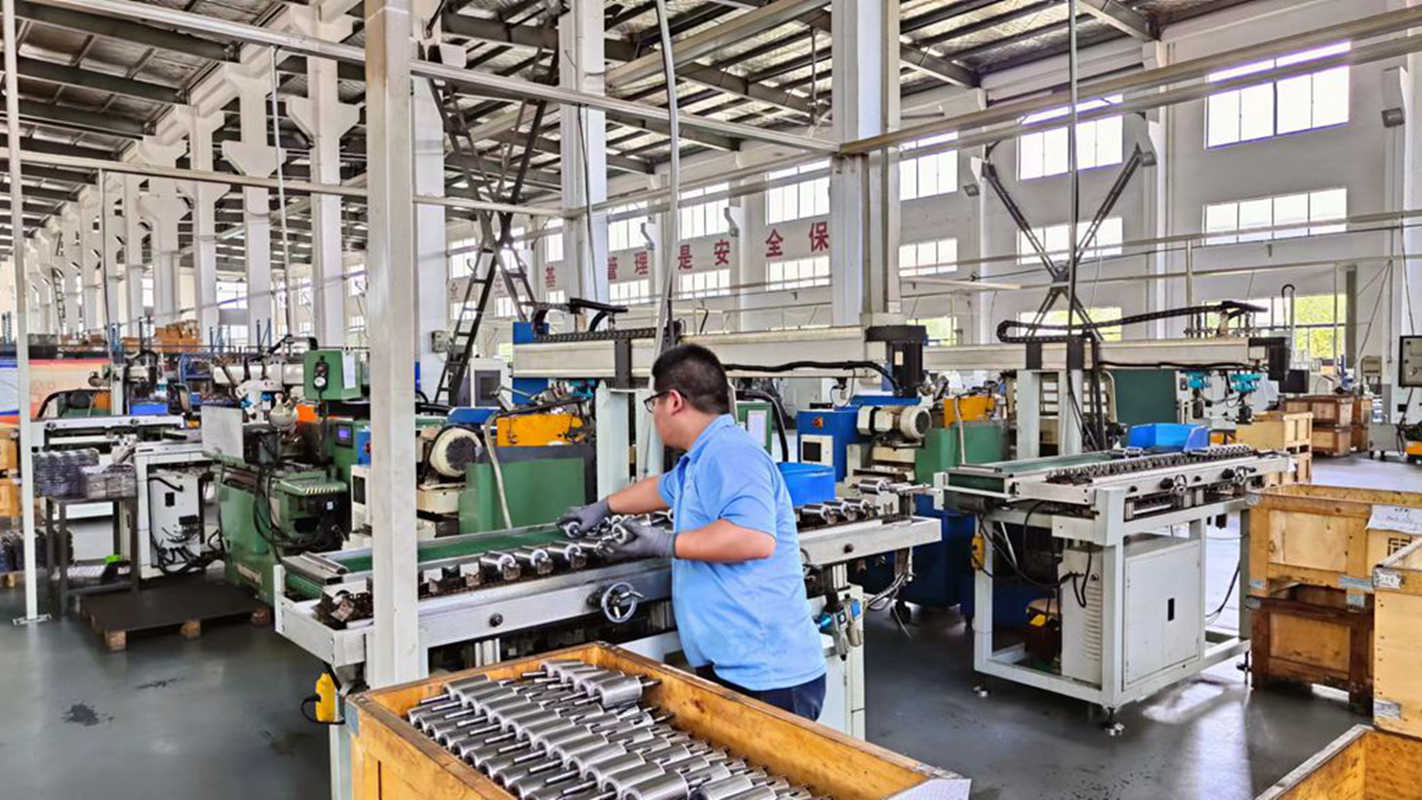
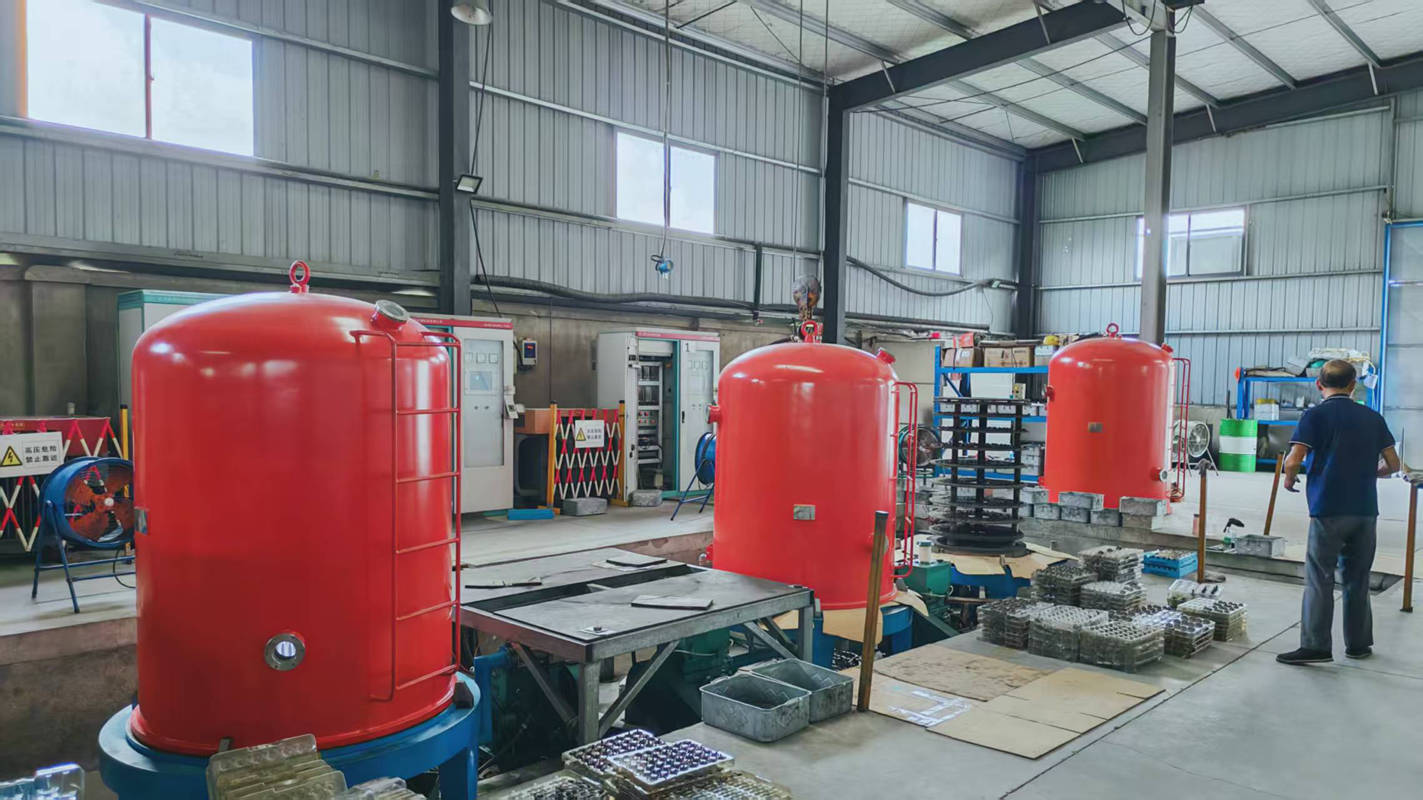
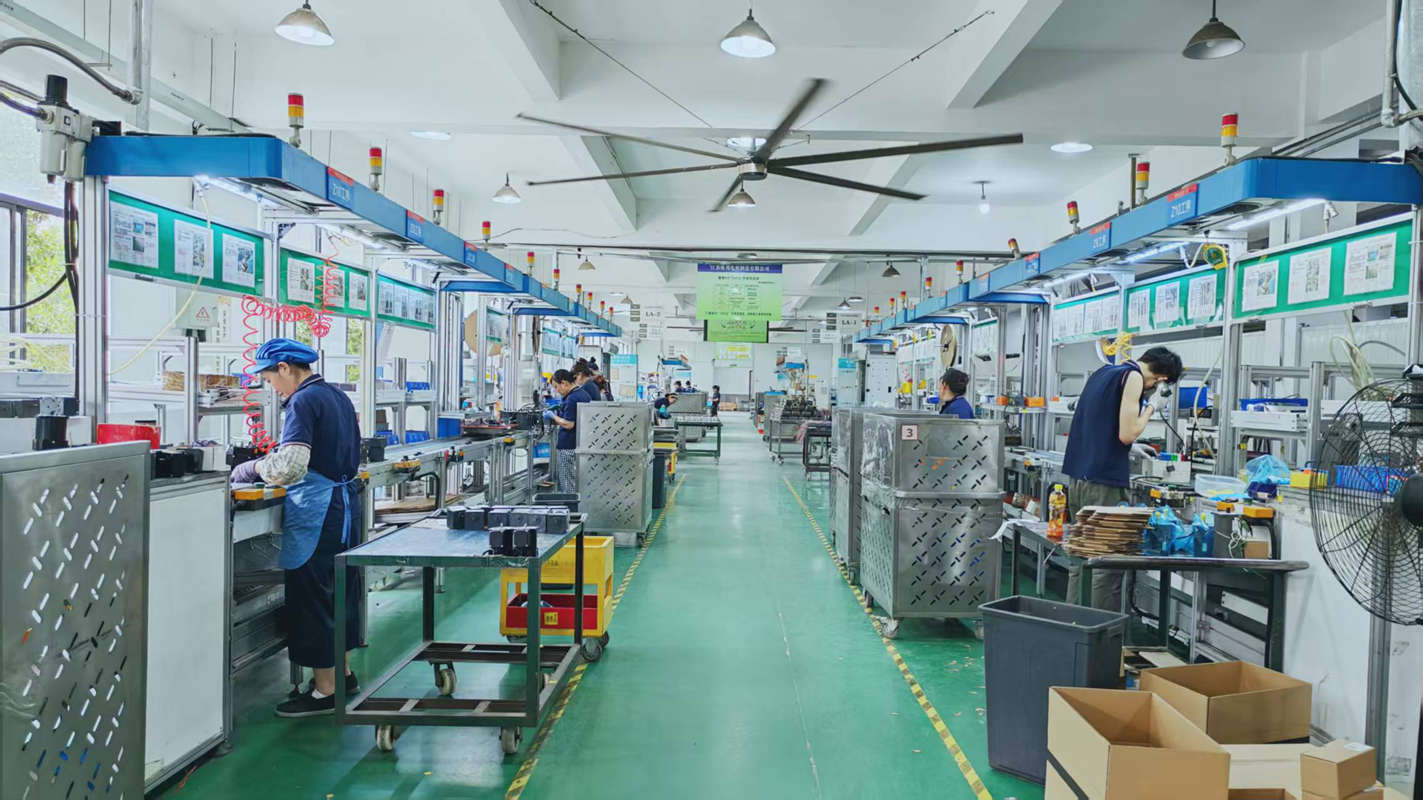
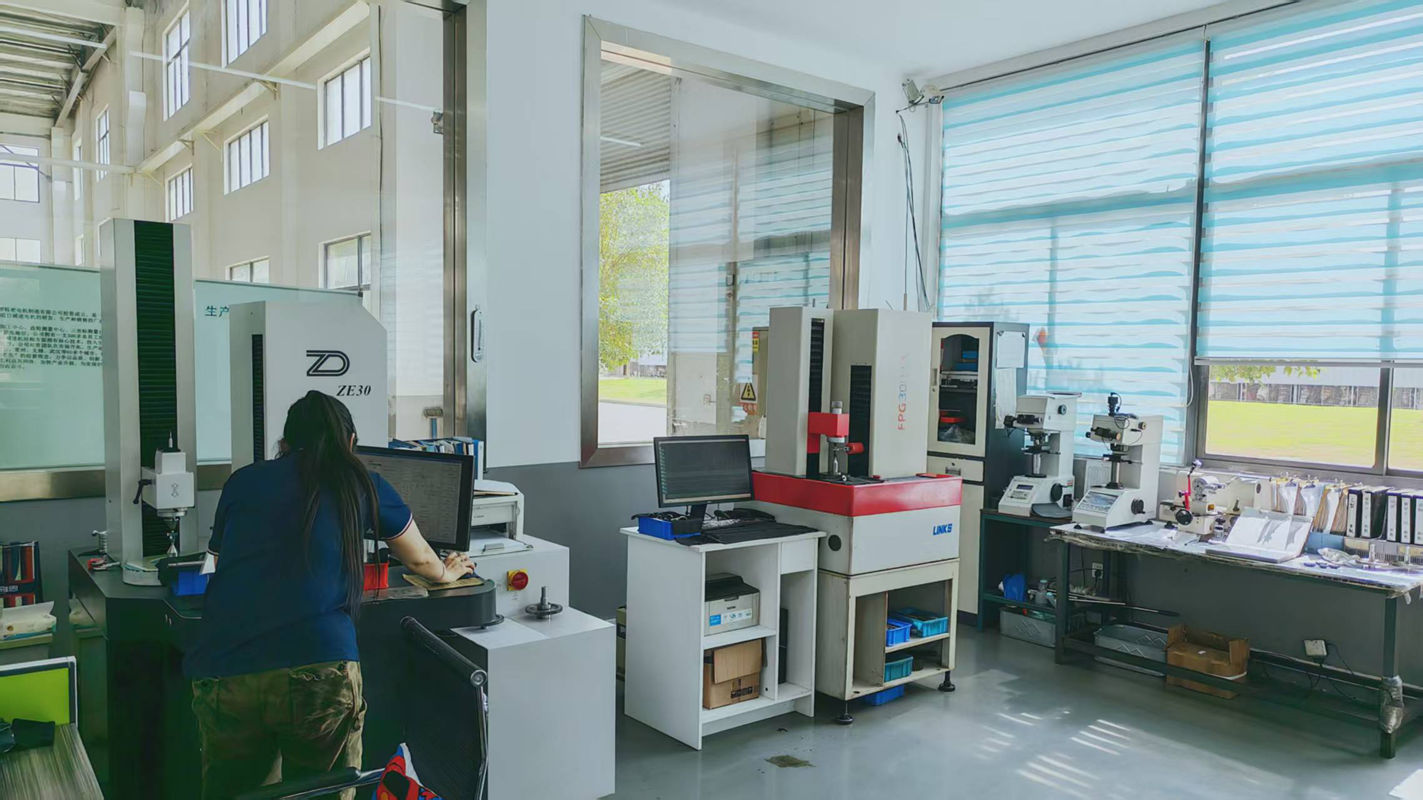
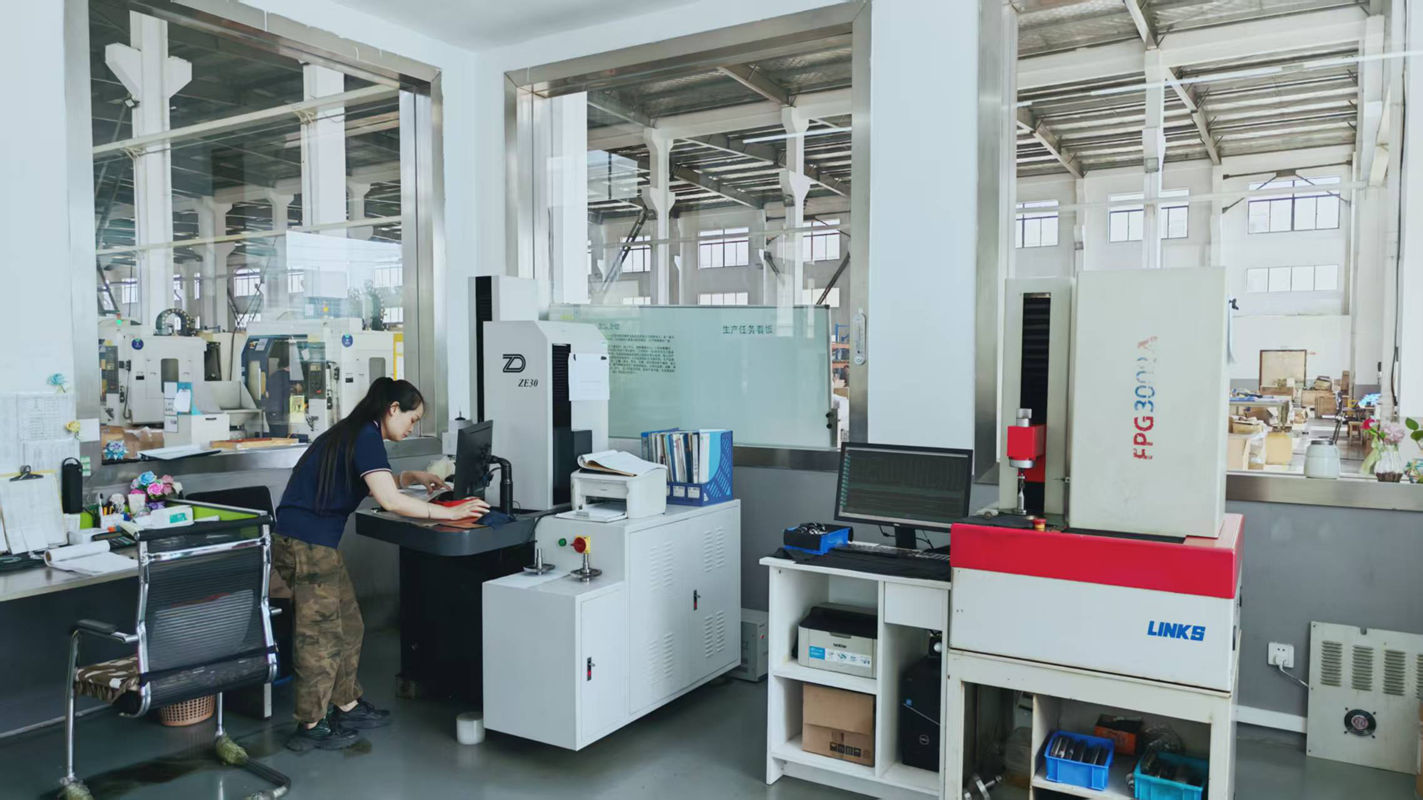
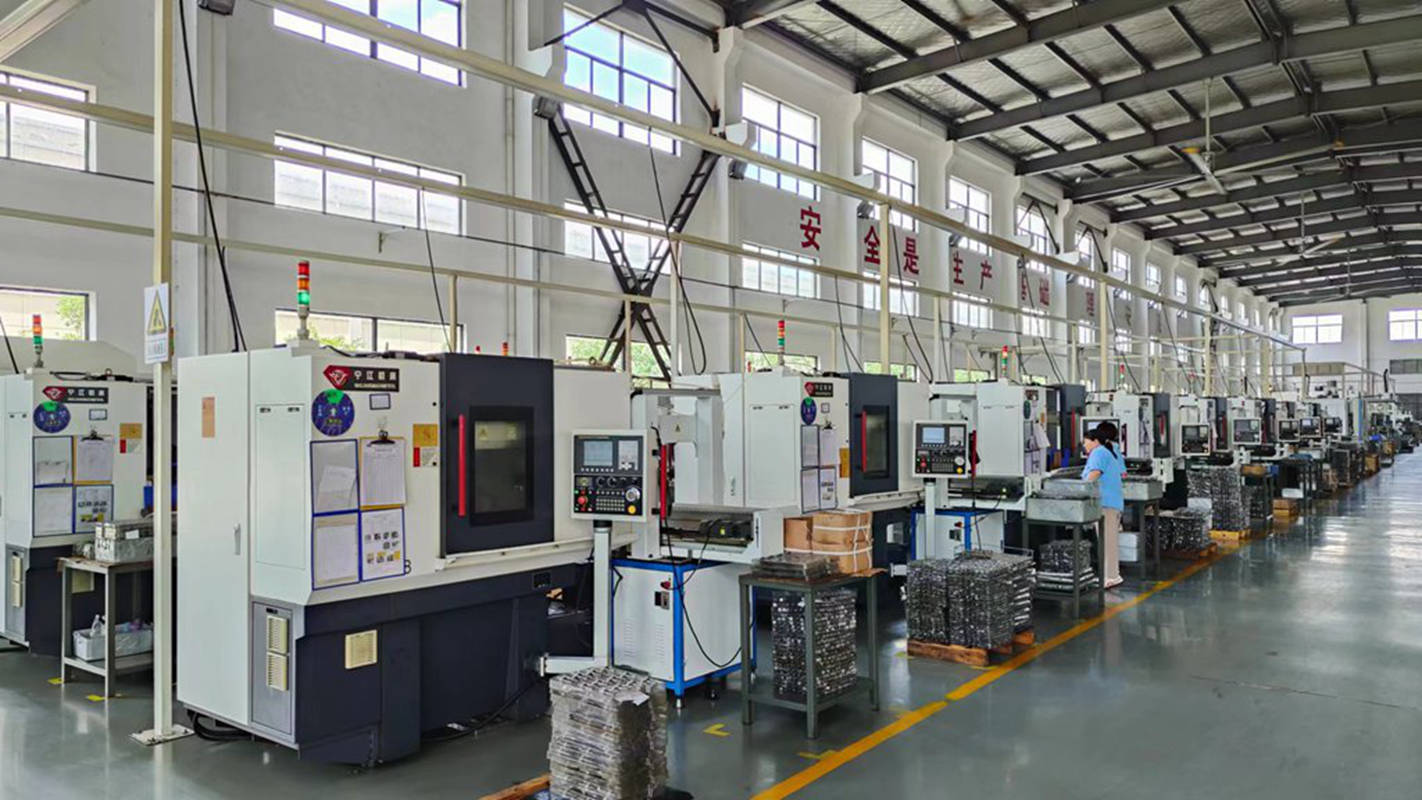
Operating from our state-of-the-art facility equipped with precision German and Japanese gear-hobbing technology (such as KOEPFER and HAMMI), we enforce rigorous quality control at every stage. From rapid engineering support to mass factory production, Boxtop is the trusted China partner driving reliability for customers in the US, Europe, Russia, and Southeast Asia.
A: Cycloidal gearboxes (RV series) offer significantly higher shock load resistance (up to 500% of rated torque) compared to planetary systems. However, planetary gearboxes are typically more cost-effective for high-speed directional changes with moderate torque requirements.
A: We utilize Harmonic Drive technology and advanced grinding processes. Our inspection lab uses laser interferometers to verify that backlash remains within 1 to 3 arc-minutes for our precision robotics line.
A: Yes. Our stainless steel series (like the AATM series) is specifically designed for semiconductor and food-processing applications, featuring specialized seals and food-grade lubricants.
A: For standard modifications, lead times are 2-3 weeks. Full ground-up ODM designs typically take 6-8 weeks, including prototyping and rigorous stress testing in our laboratory.
 BOXTOP ELECTROMECHANICAL EQUIPMENT