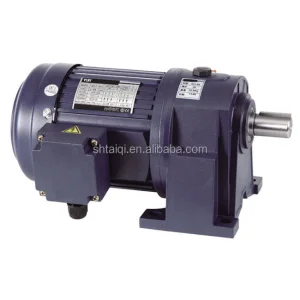
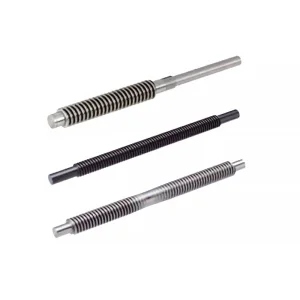
Engineered for precise speed reduction, high-torque output, and absolute mechanical synchronization across industrial lifting applications.
Luxembourg represents a unique, highly advanced industrial core within the European Union. Once primarily recognized for its heavy steel legacy centered in regions like Esch-sur-Alzette and Differdange, the Grand Duchy has successfully transformed into a global hub for space technology, automated automotive testing clusters, and complex logistics infrastructure. The automation demands of modern Luxembourg industries require specialized linear motion technology that can withstand harsh operational cycles while offering extreme mechanical synchronization.
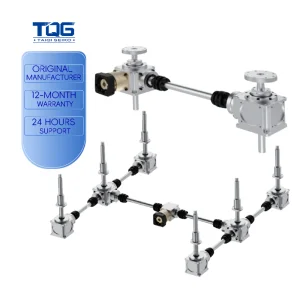
Our CB Synchronized Screw Jacks are specifically designed to meet these rigorous environments. Whether deployed in the heavy dust and elevated temperatures of modern electric arc furnaces (EAF) or operating under cleanroom conditions for space-assembly simulators, these multi-point jack configurations ensure that uneven loads are moved with sub-millimeter precision. By utilizing physical mechanical synchronization through high-precision bevel gears, connecting shafts, and planetary couplings, we eliminate the positional drift common to hydraulic cylinders or unlinked electronic actuators.
Engineered for high-tonnage ladle adjustments and rolling mill control under high ambient thermal stress.
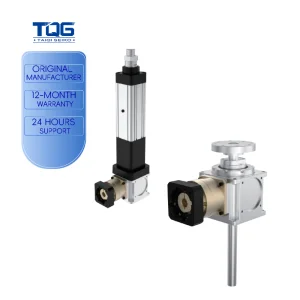
Zero-backlash ball screw configurations designed for space resources research and satellite payload testing.
High-efficiency lifters for massive air cargo terminals and robotic automated guided vehicles (AGVs).
In high-load engineering projects, keeping multiple lifting points perfectly level is a critical challenge. The two primary schools of thought are Electronic Synchronization (using multiple servo motors controlled by a central PLC) and Mechanical Synchronization (using a single power source distributed via mechanical shafts and bevel gearboxes).
While electronic feedback loops have improved, they are prone to minor processing latencies, electrical noise, and power fluctuation errors. If one motor faults, the resulting structural skew can warp structural beams or jam guiding linear tracks. Mechanical synchronization, however, links all jack mechanisms to a singular drive. Under asymmetrical loading (where the center of gravity shifts to one corner), the mechanical link distributes the torque naturally across the interconnecting shafts. The entire array rises or falls in absolute unison, guaranteeing 100% positional safety. Our CB Series features translating and rotating trapezoidal or ball screws specifically matched to handle these variable torque shifts.
When engineering synchronized systems for Luxembourg's high-standard automotive or mechanical components factories, strict calculations must be followed to avoid mechanical buckling or thermal seizure. Specifically, engineers must compute the critical buckling load (Euler's Limit) and the maximum safe rotational speed to avoid the whirling effect.
The maximum axial load $P_{cr}$ that a screw can support without buckling is determined using the following formula:
P_cr = f_b * (d_3^4 / L^2) * 10^4
Where:
For rotating screws (Type 2 screw jacks), excessive rotational speed can induce severe resonant vibrations (whirling). The critical speed is determined by the screw's core diameter, its unsupported length, and the bearing support arrangement. Our engineering software calculates these limits for every customer installation in Luxembourg, ensuring a safety factor of at least 1.5 is maintained under maximum load profiles.
Founded in Shenzhen, China, Boxtop Electromechanical Equipment (shenzhen) Co., Ltd. has grown into a premier, verified manufacturer integrating R&D, advanced production, and global sales. For over two decades, we have dedicated ourselves to one mission: engineering high-precision, heavy-duty transmission and motor solutions that power modern industrial automation.
Unlike standard component suppliers, Boxtop offers a comprehensive product ecosystem. We specialize in precision planetary gearboxes, worm gear reducers, and helical gear units, perfectly integrated with our high-torque DC motors, AC motors, and brushless alternatives. By optimizing the synergy between motor and speed reducer, we provide global OEM buyers with ready-to-install micro-drives and industrial power systems that maximize efficiency and lifespan.
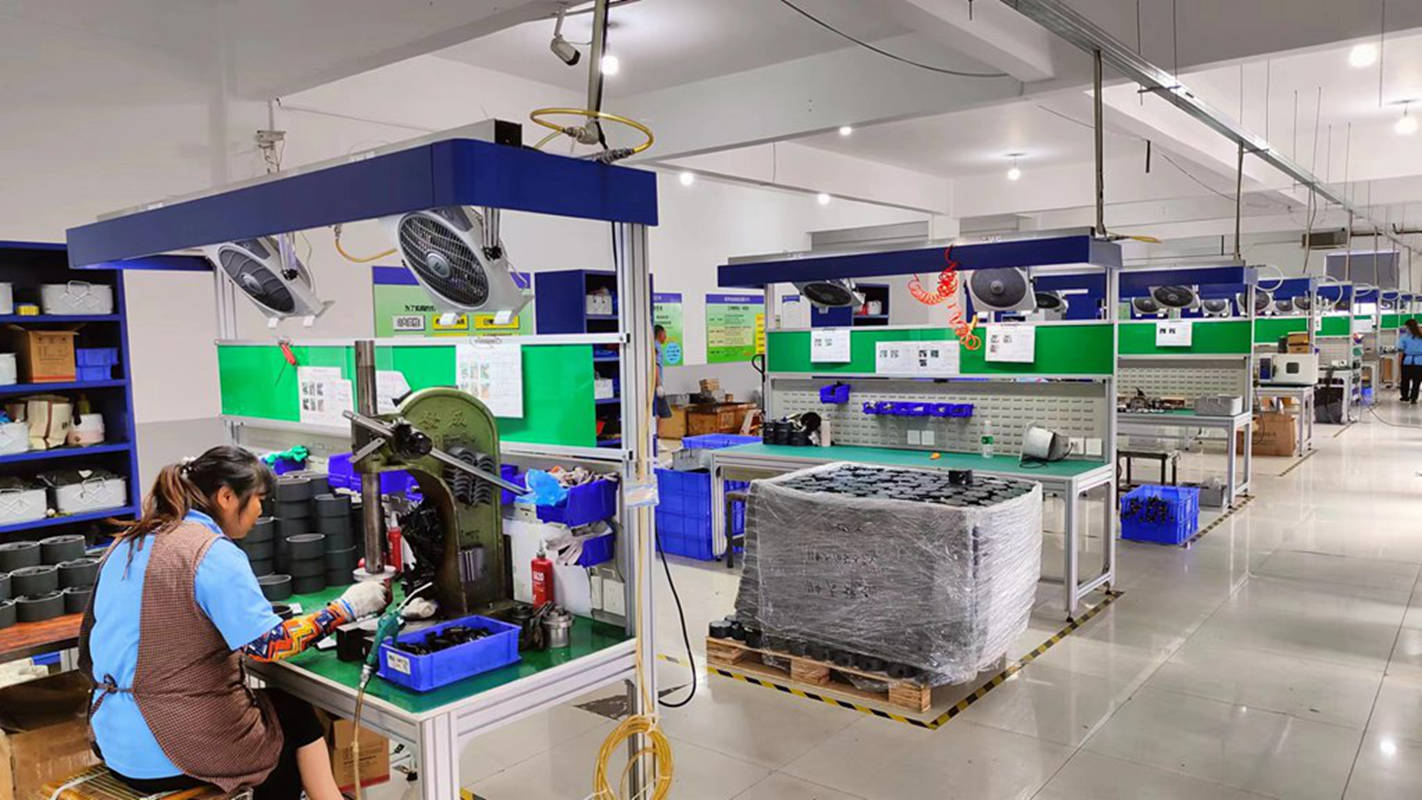
Operating from our state-of-the-art facility equipped with precision German and Japanese gear-hobbing technology (such as KOEPFER and HAMMI), we enforce rigorous quality control at every stage. From rapid engineering support to mass factory production, Boxtop is the trusted China partner driving reliability for customers in the US, Europe, Russia, Southeast Asia.
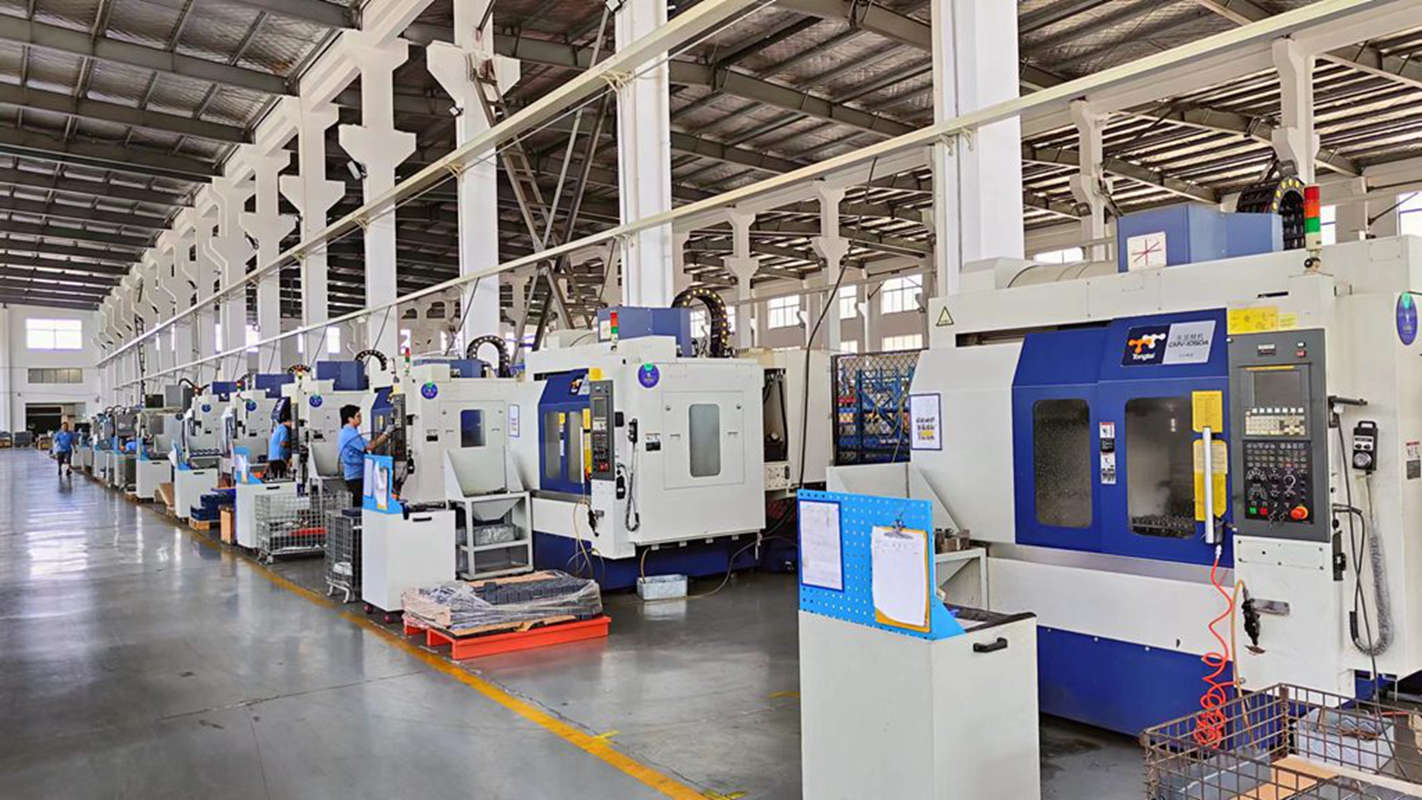
Every component is manufactured and verified under strict DIN and ISO standards to guarantee continuous operations in demanding EU markets.
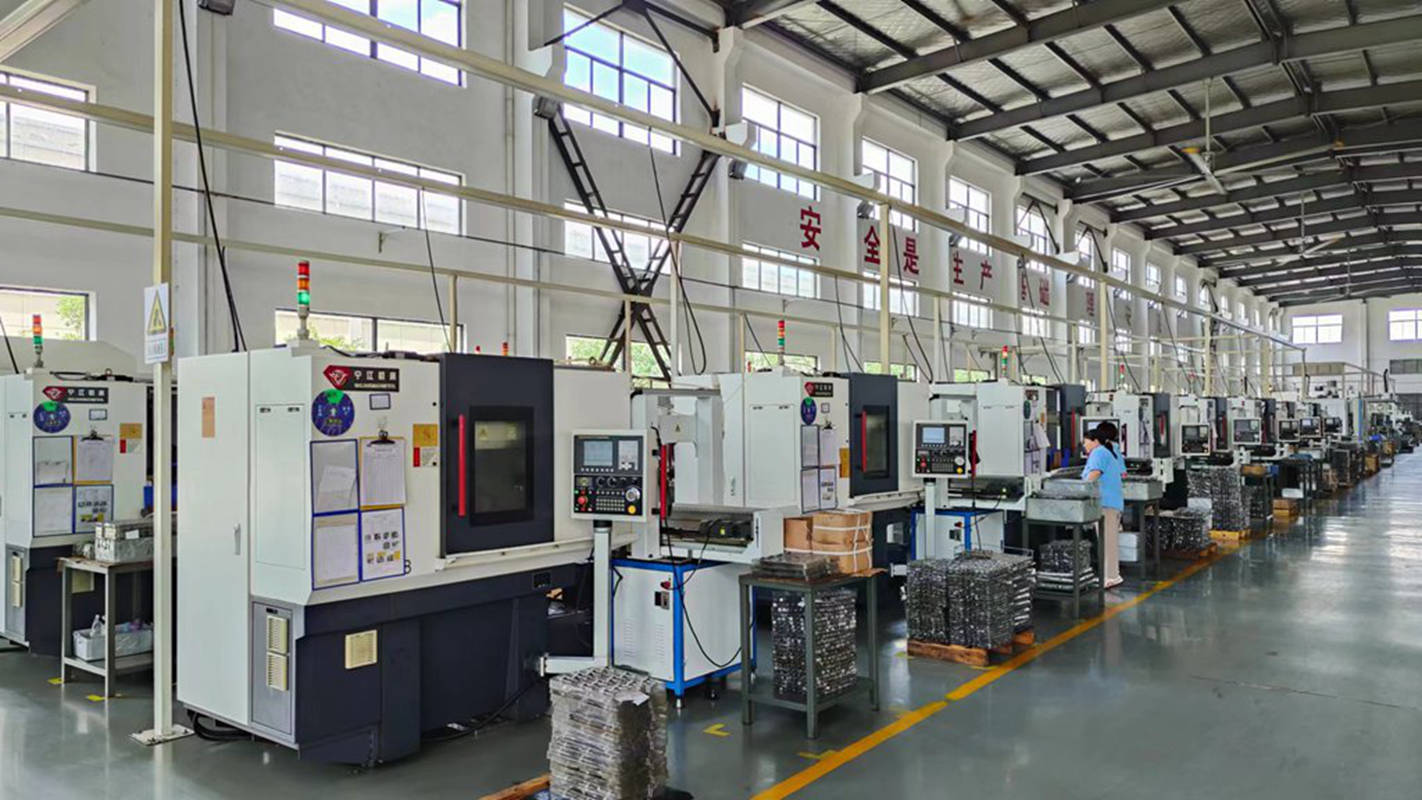
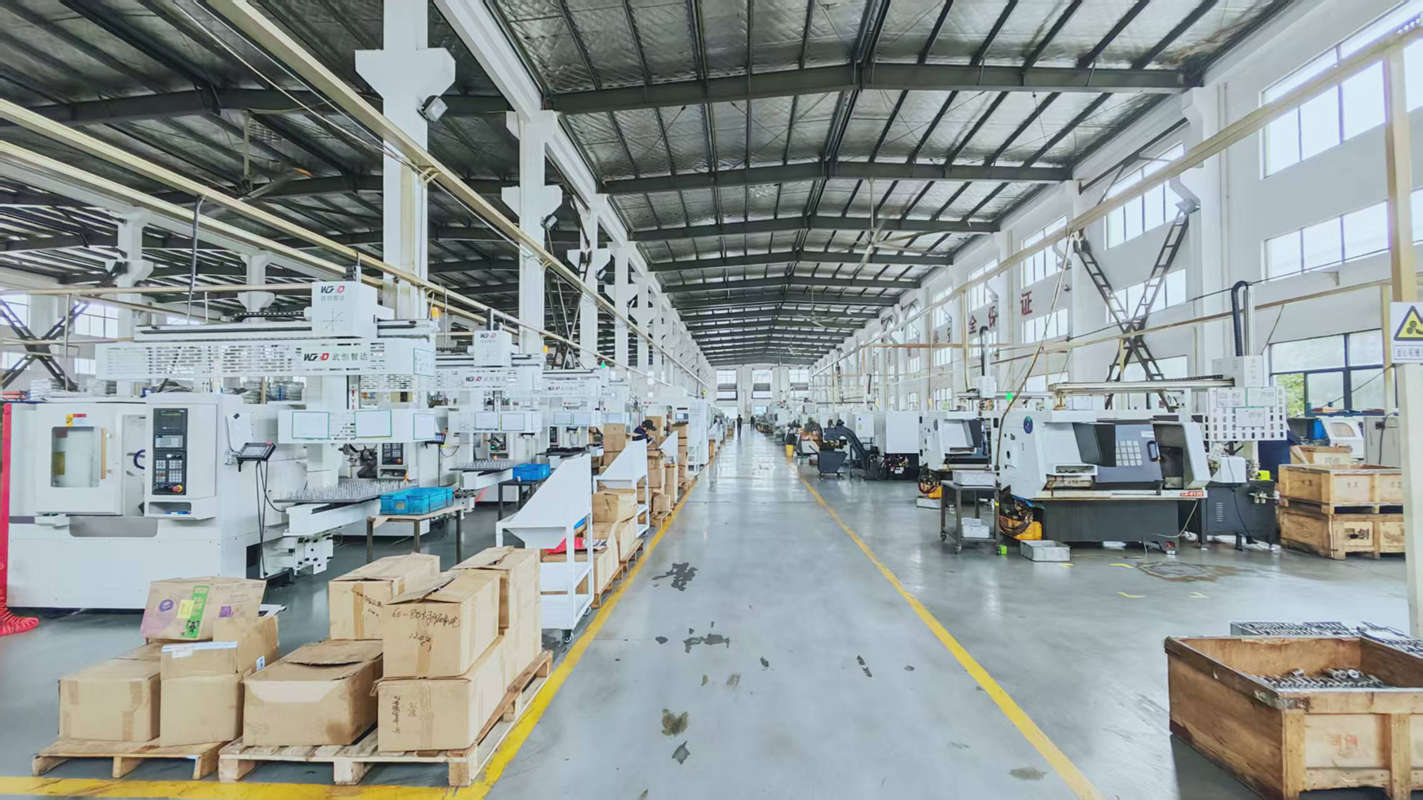
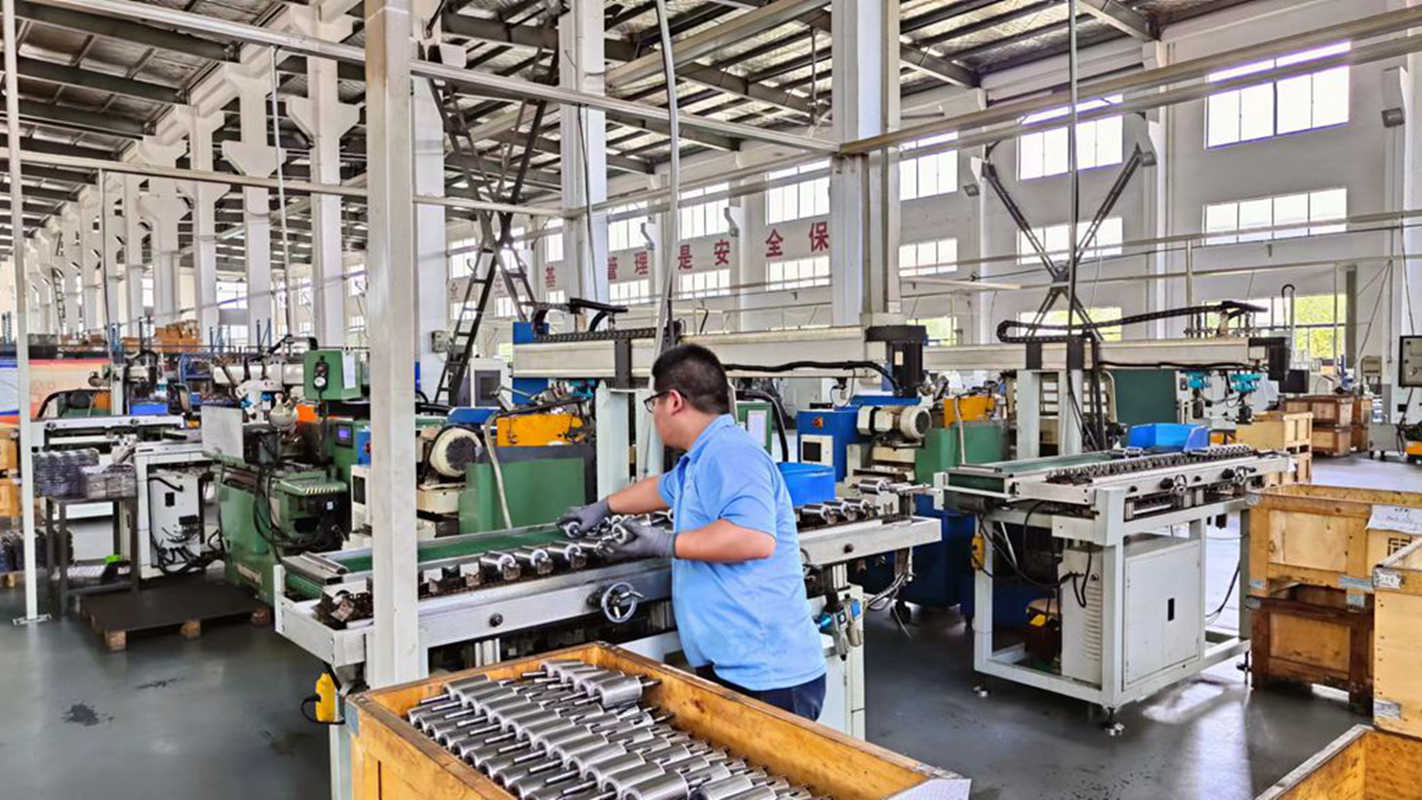
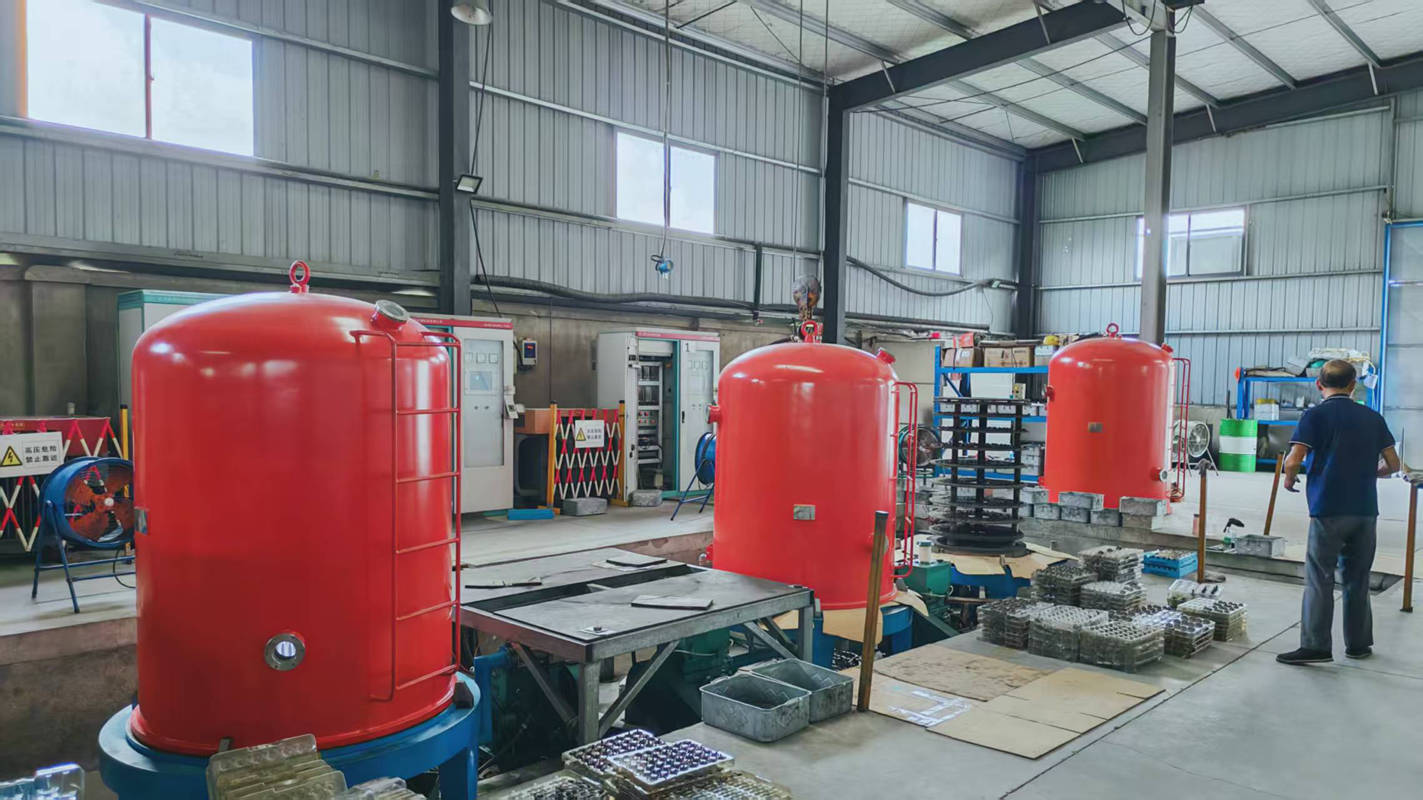
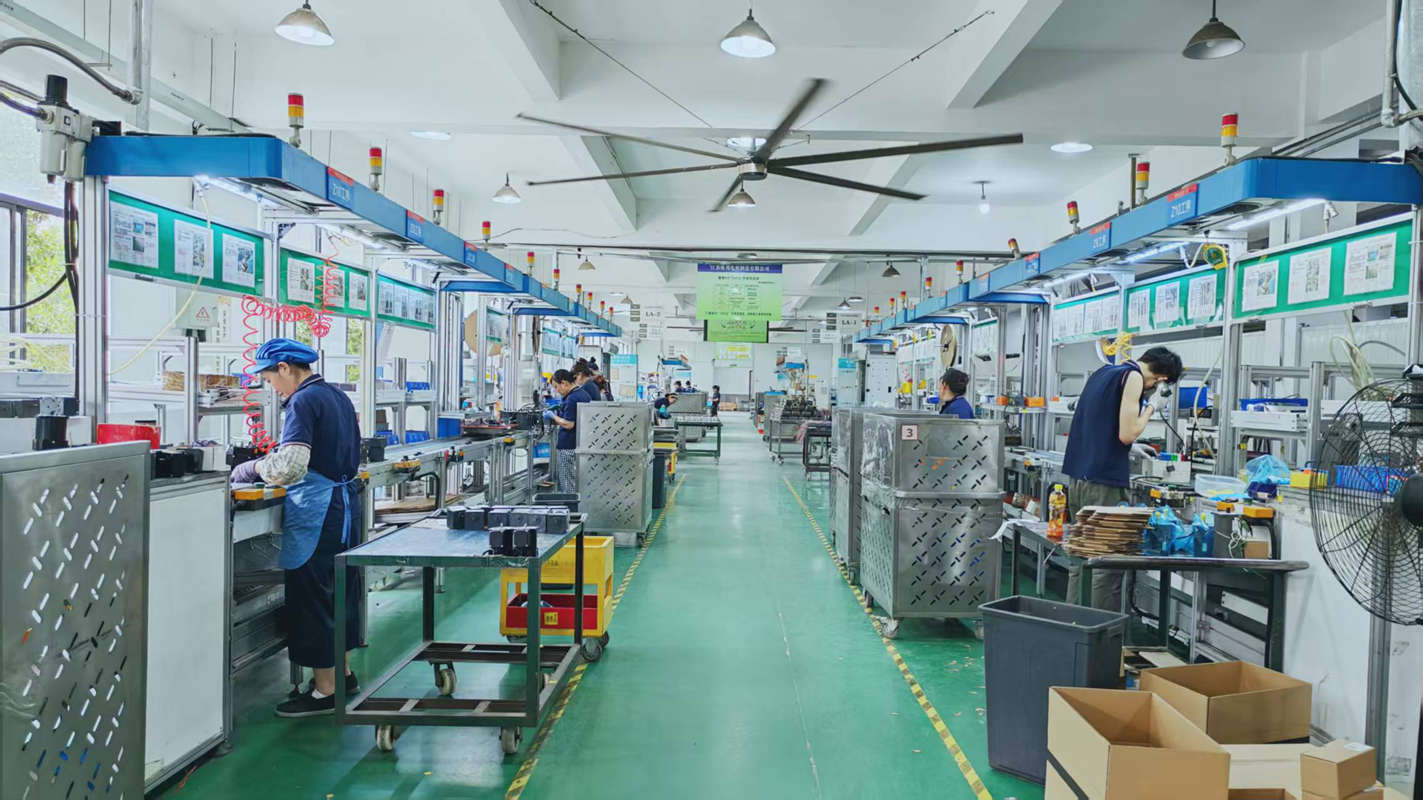
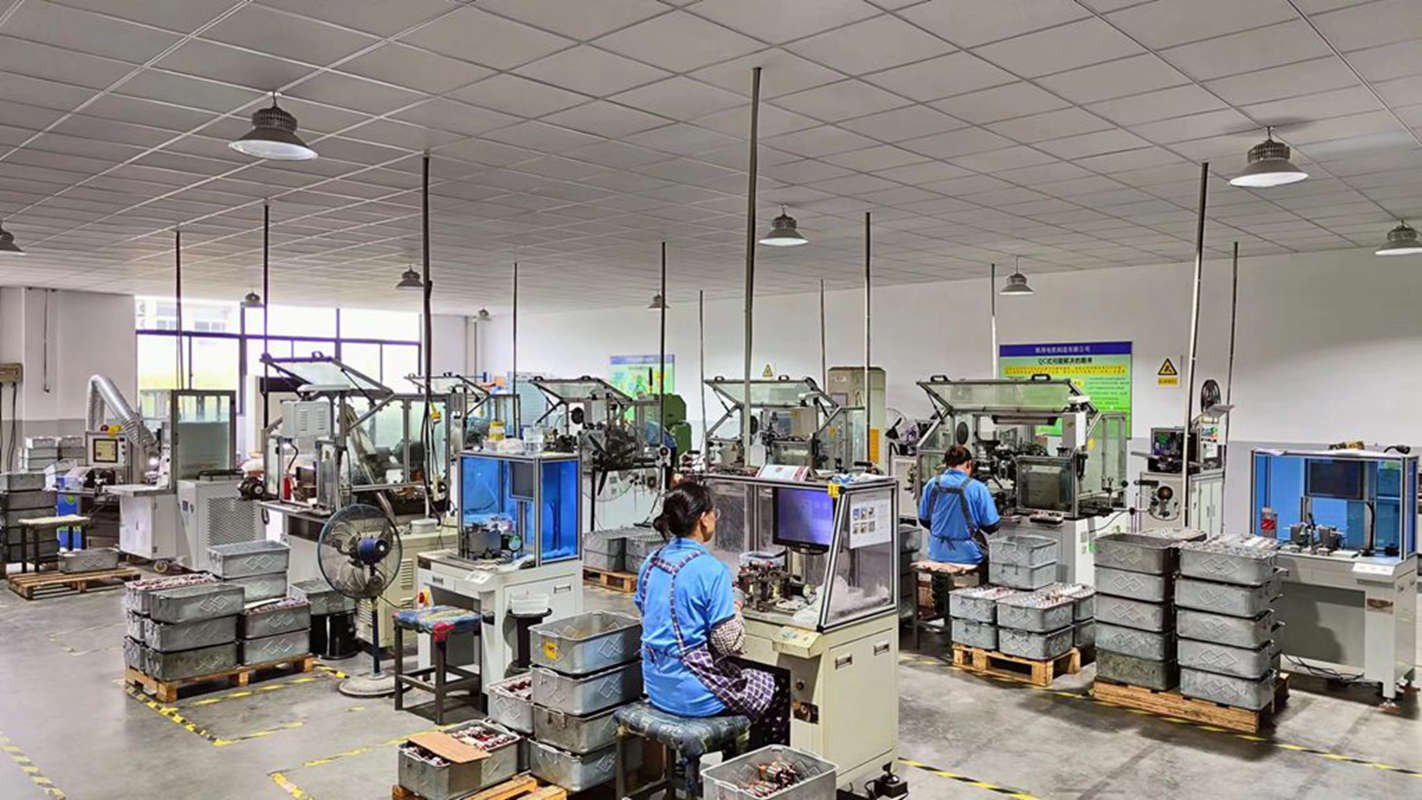
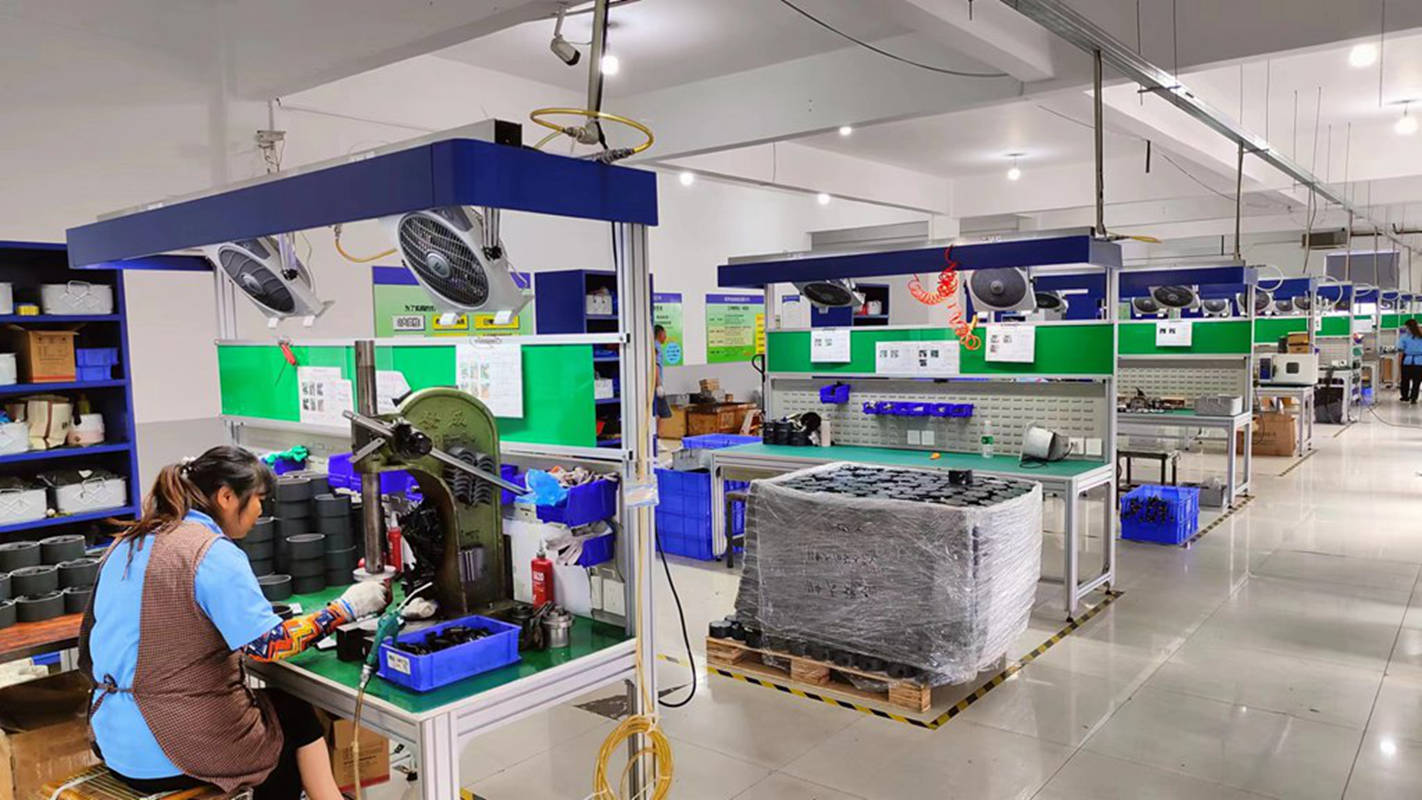
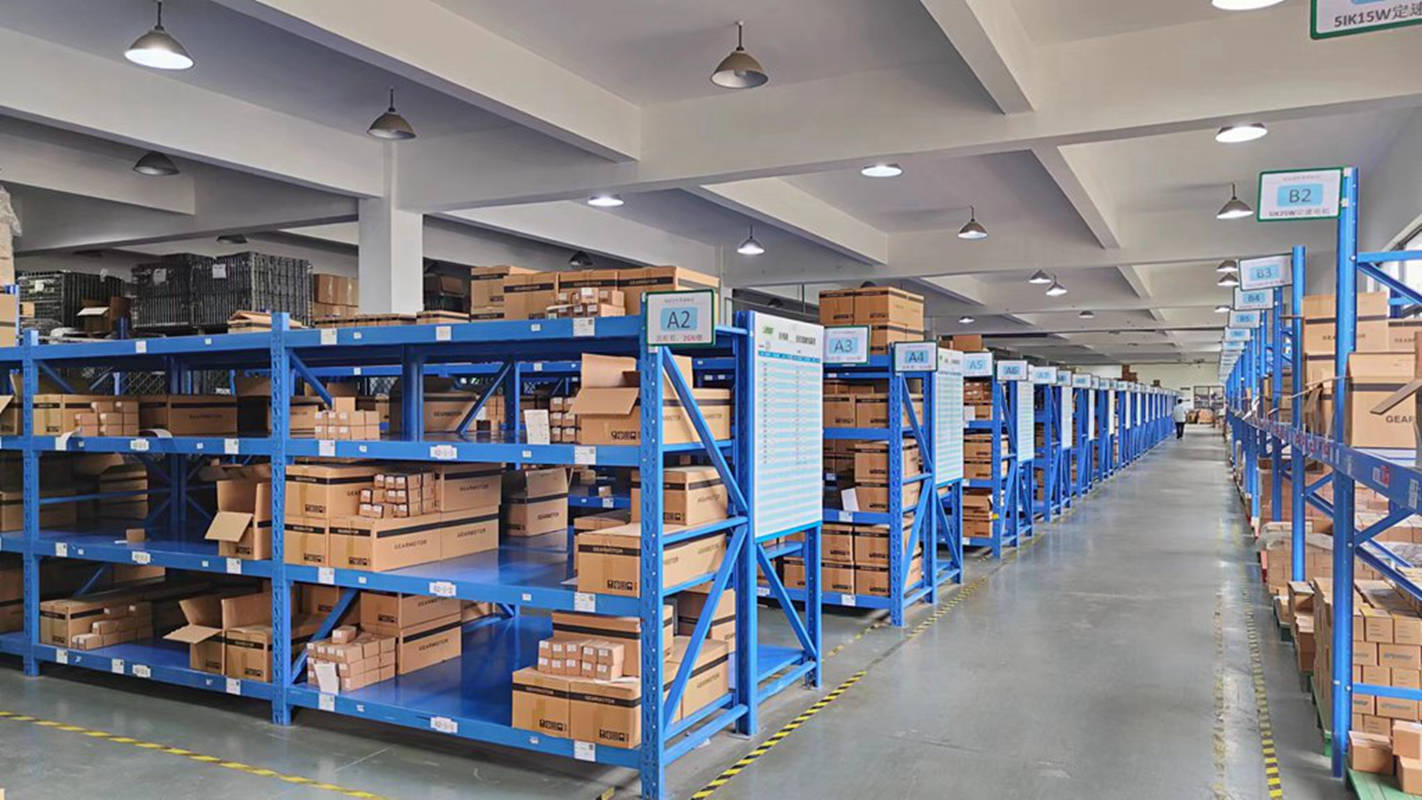
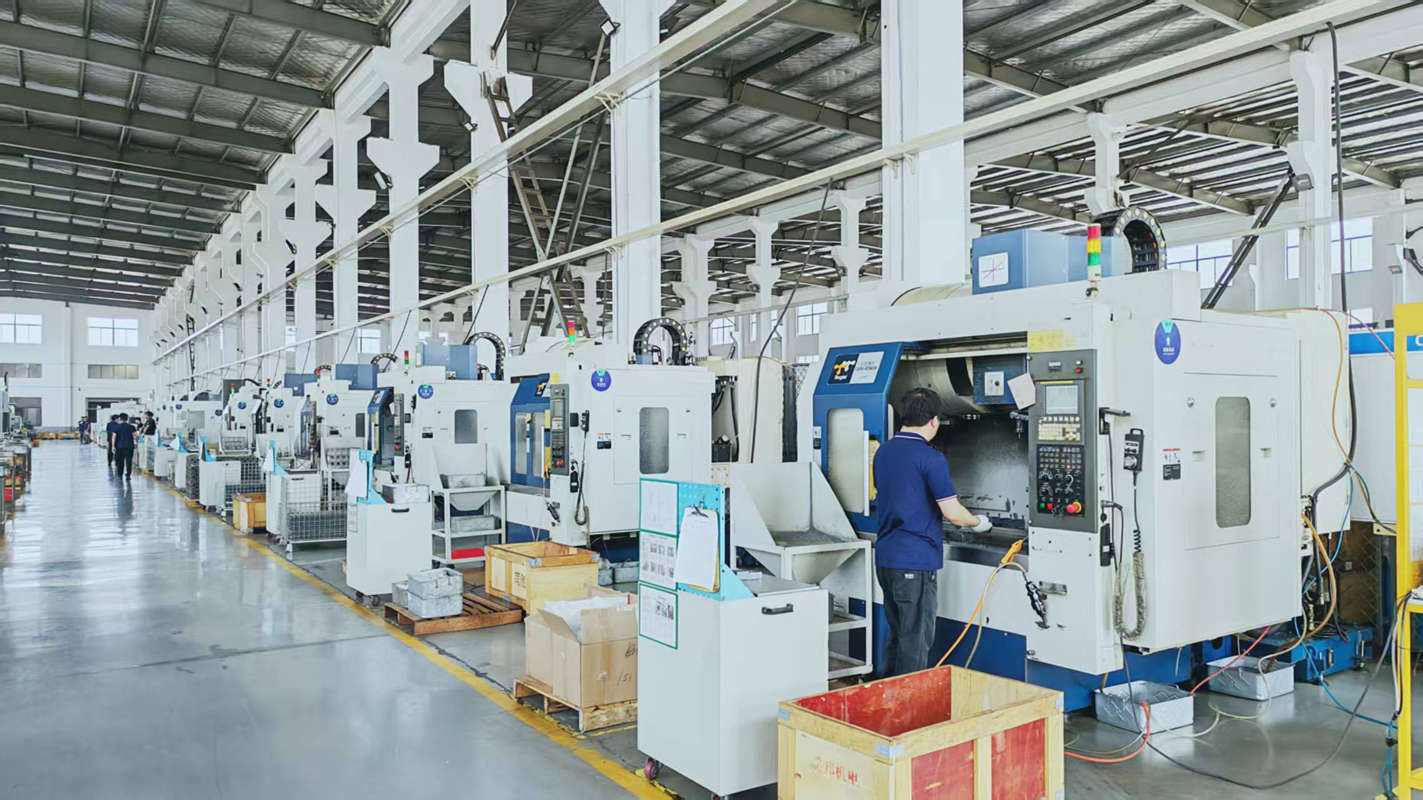
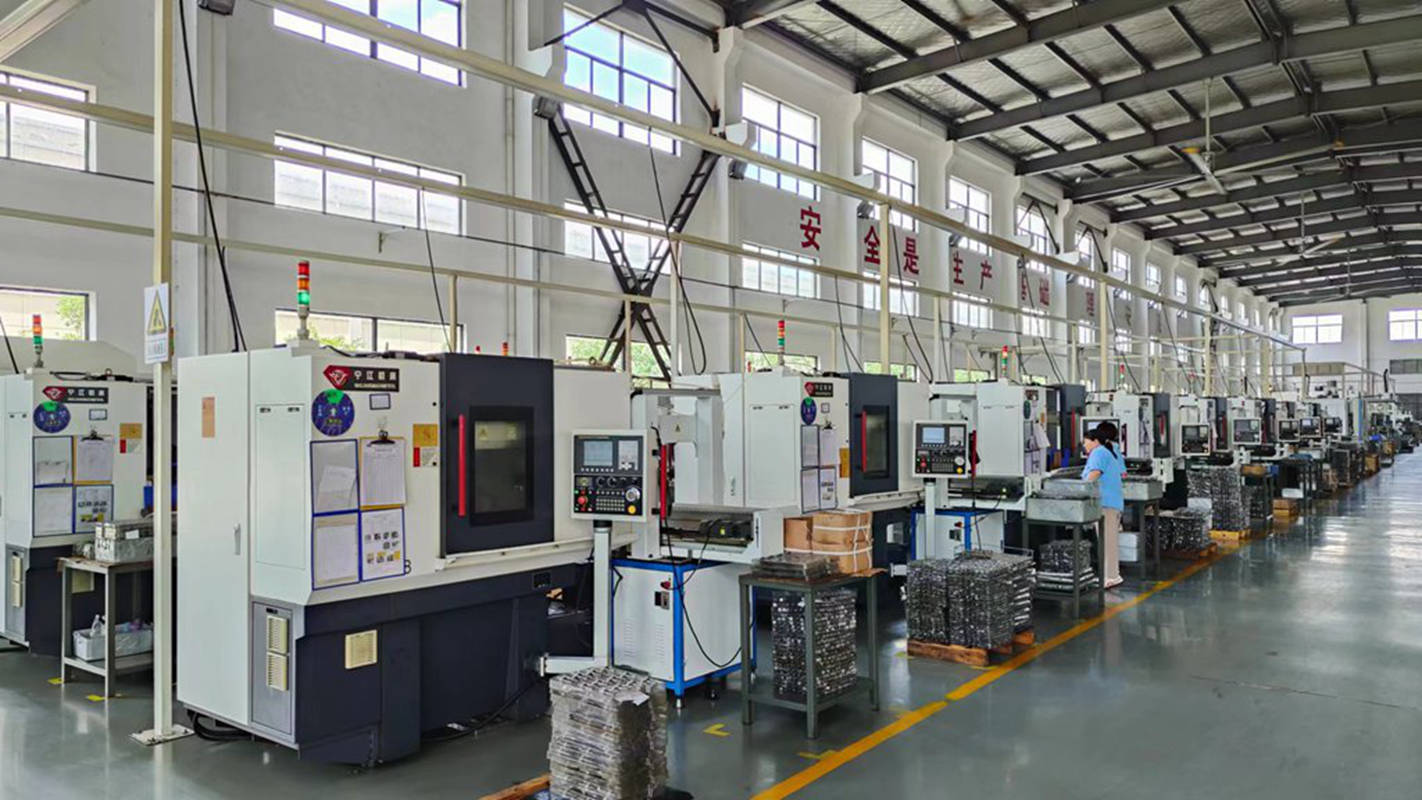
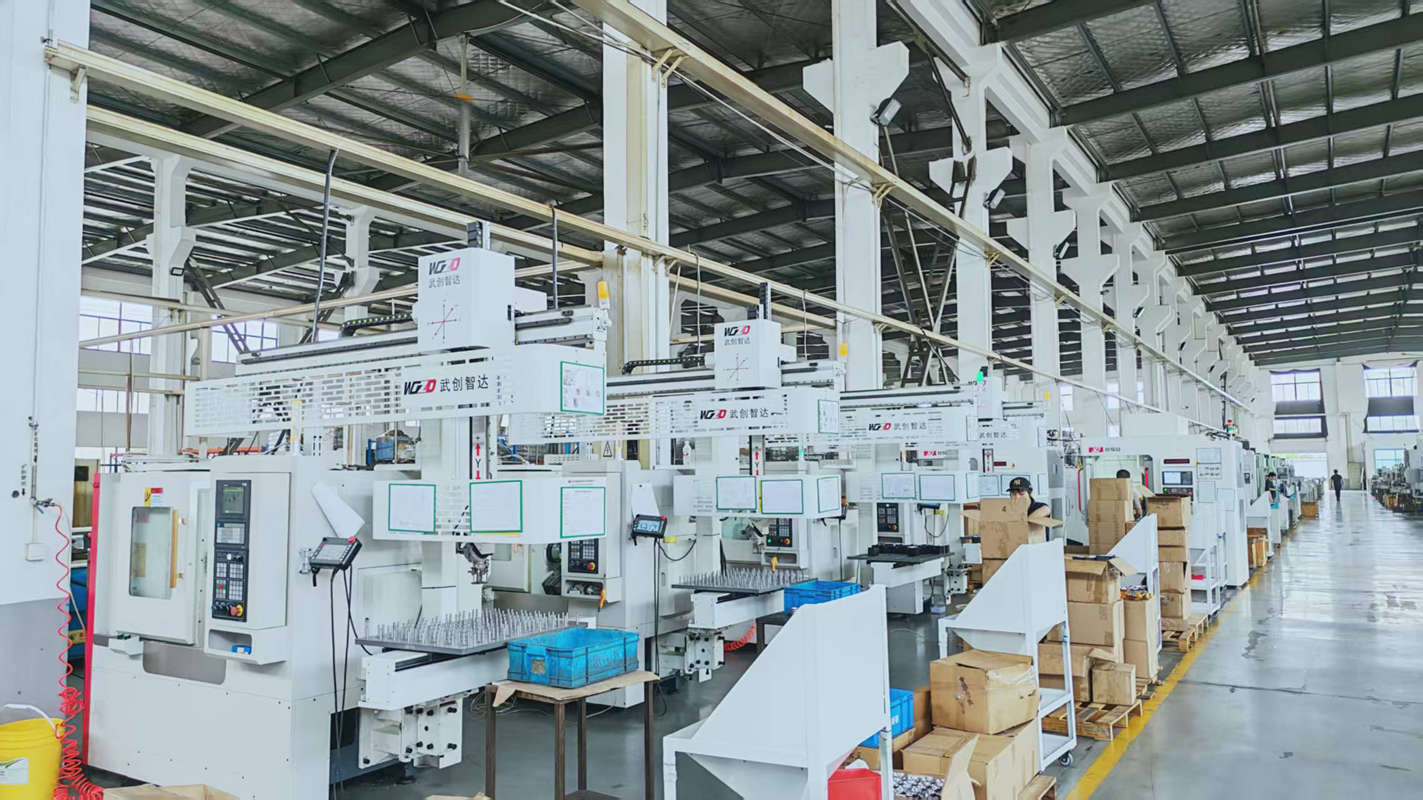
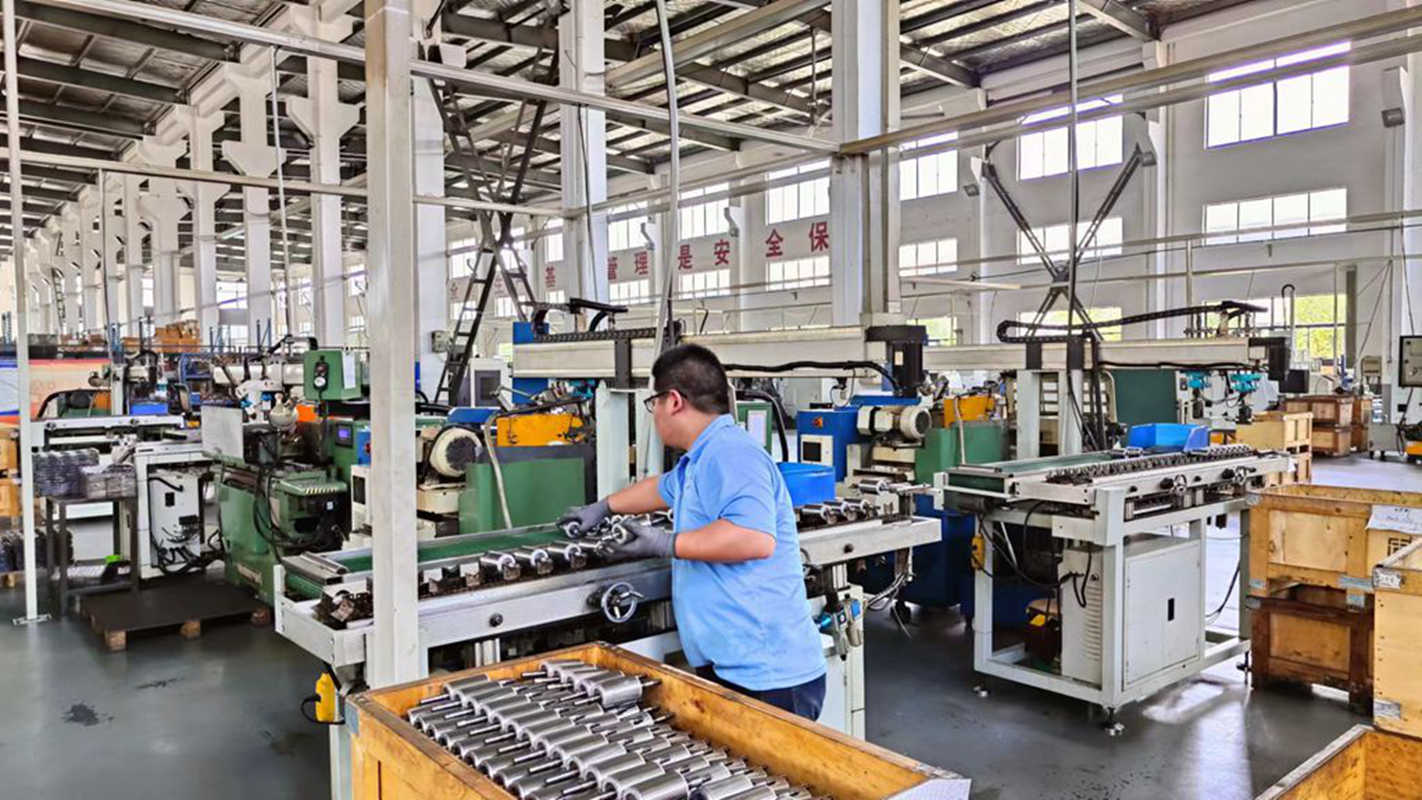
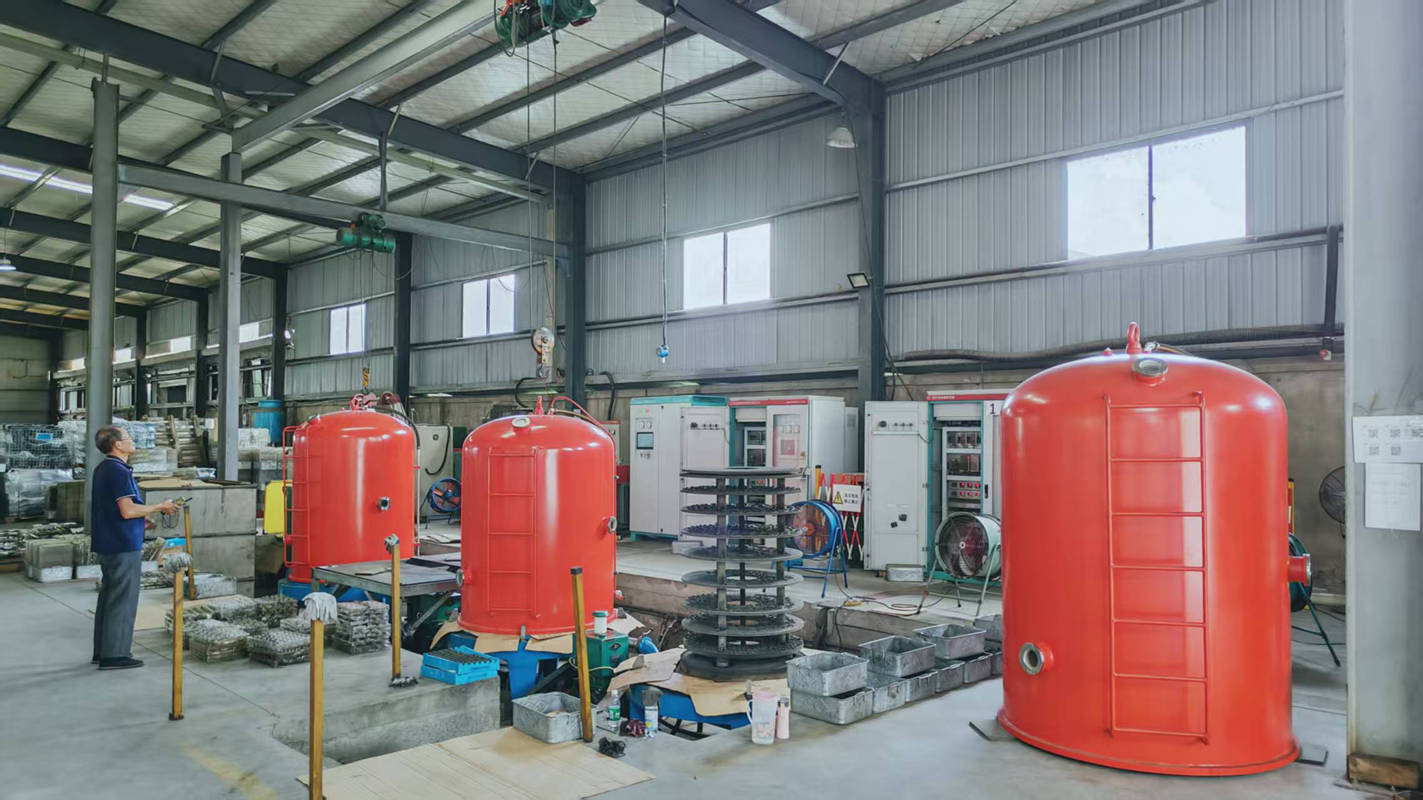
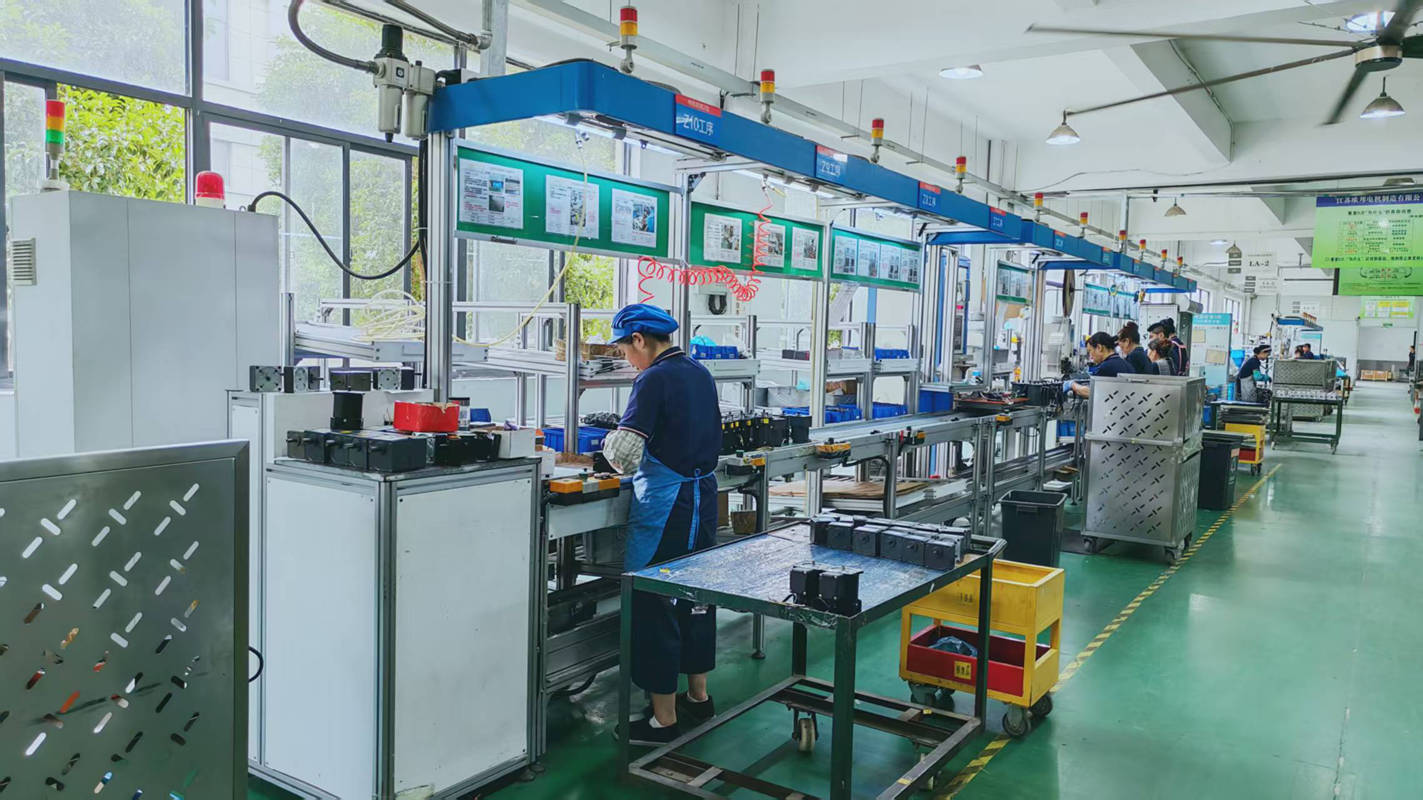
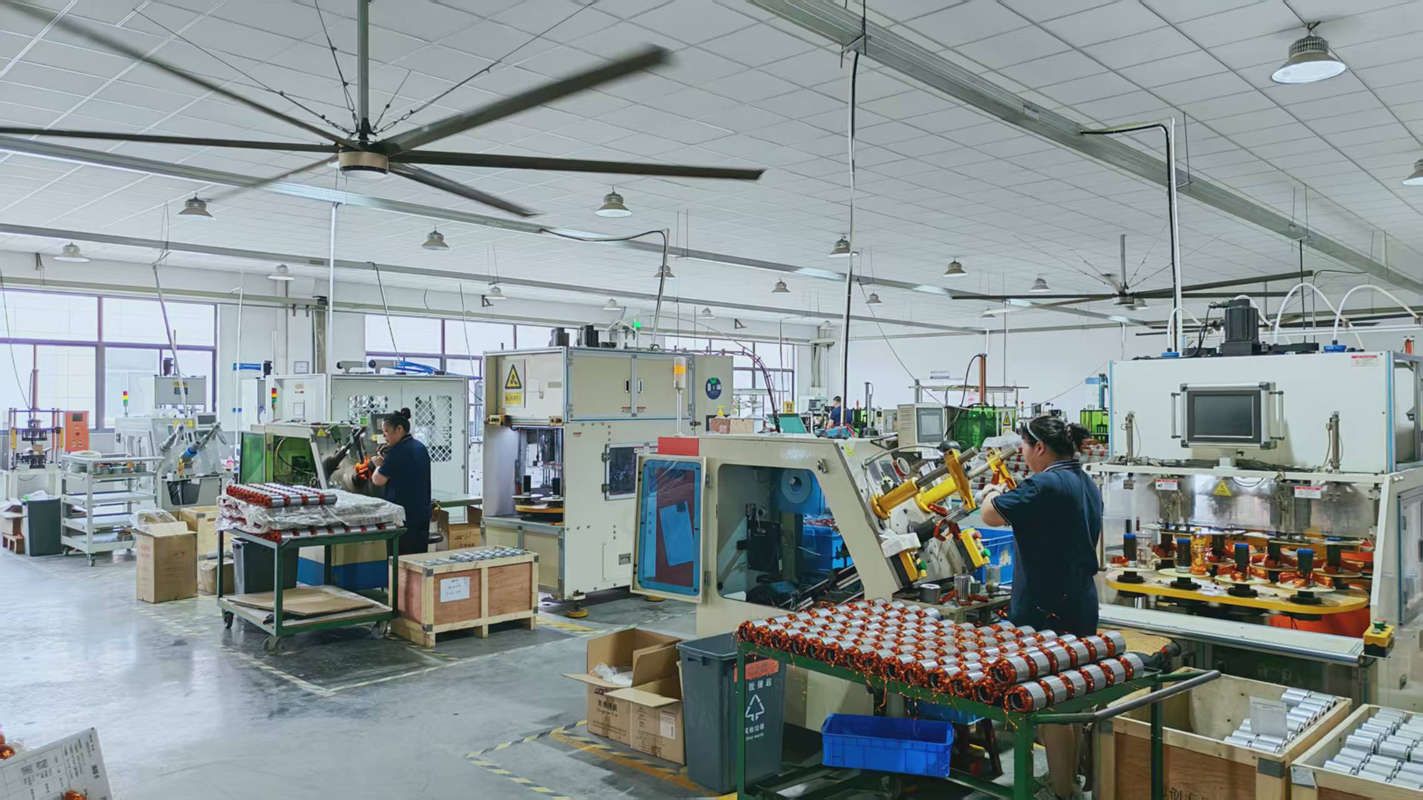
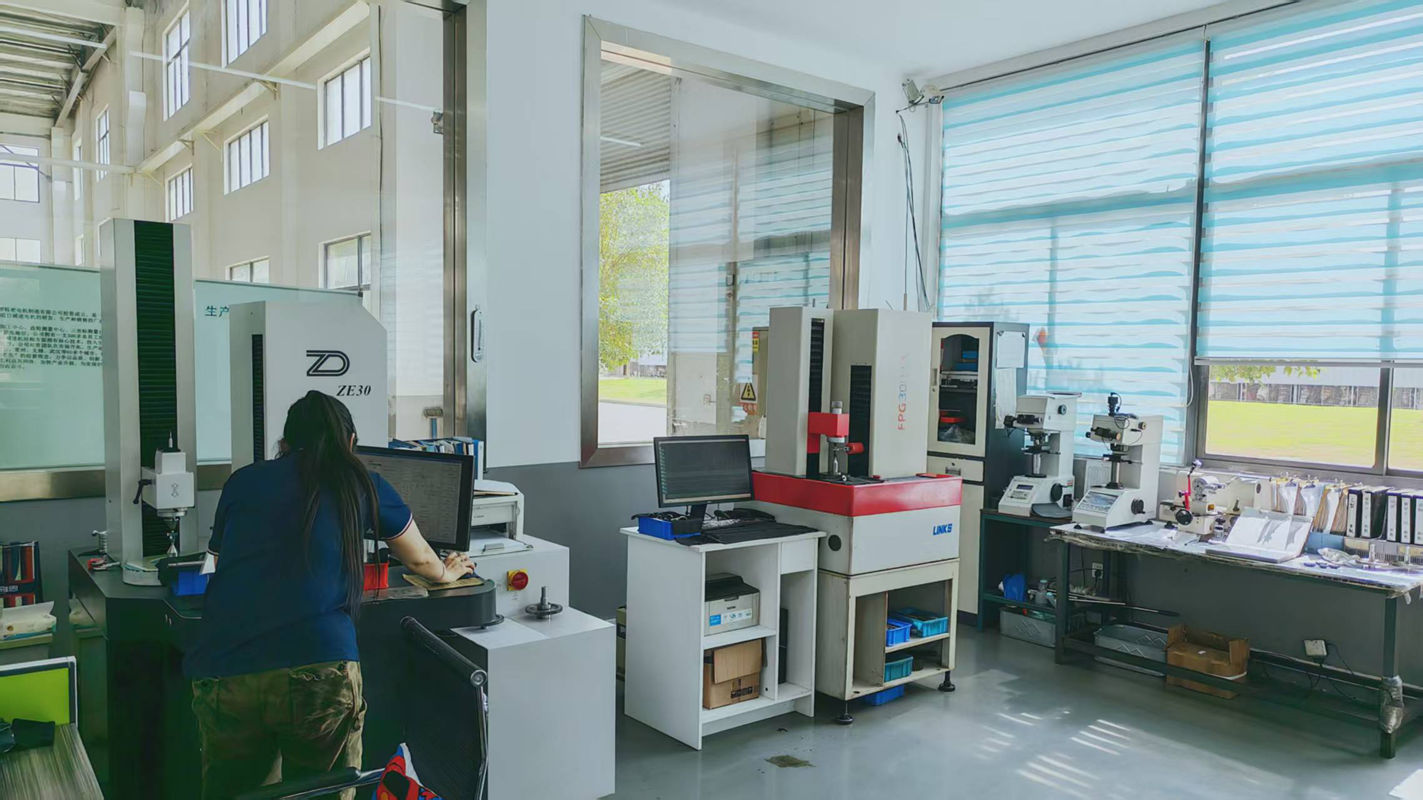
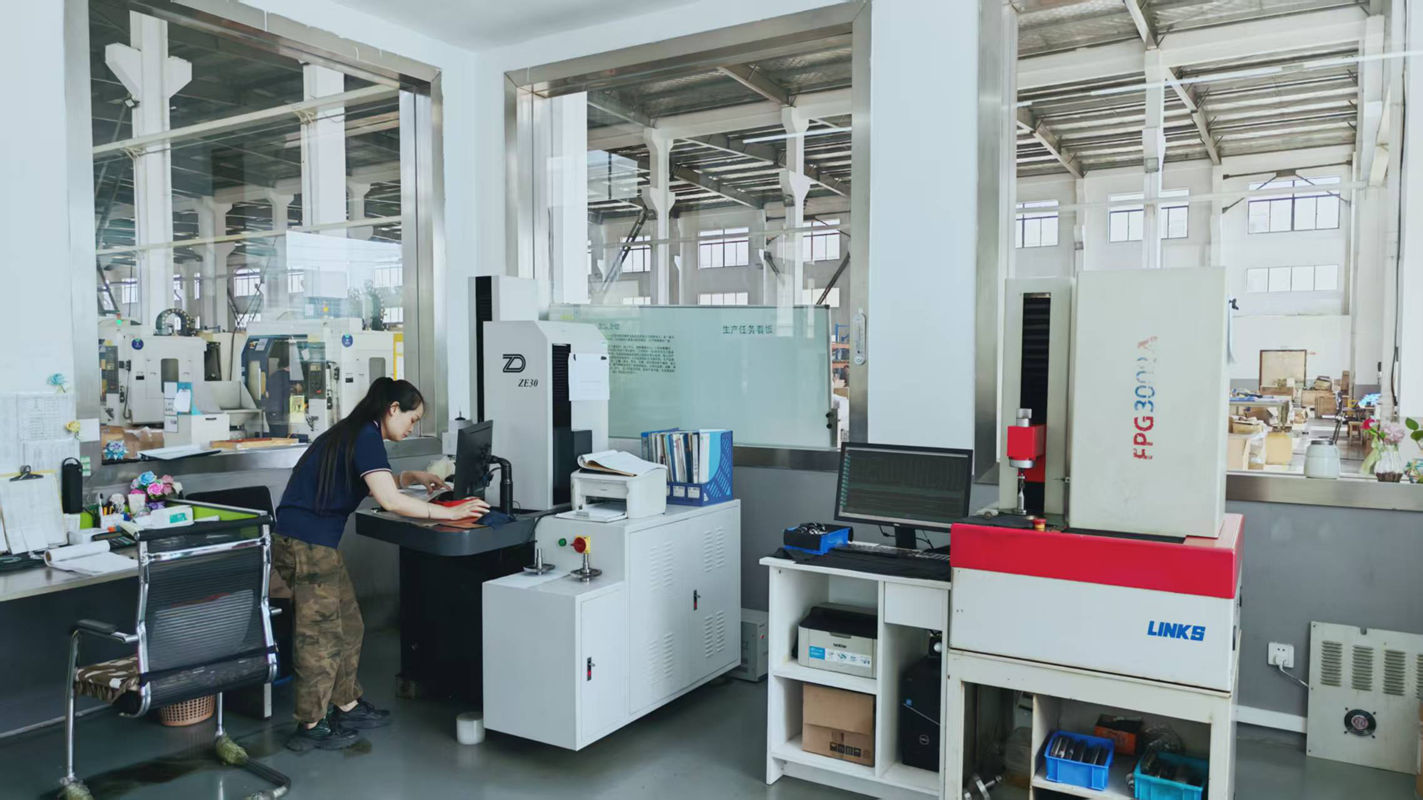
Our Quality Control Lab features precision analytical equipment including the CNC Gear Inspection Instrument, Coordinate Measuring Machines (CMM), and dynamic load testing rigs. By evaluating micro-geometry deviations (profile error and helix error) in house, we assure our European exporters that every batch is ready for structural integration without risk of early wear or unexpected mechanical downtime.
Technical metrics illustrating our capability to serve Luxembourg's high-precision requirements.
Answers to complex mechanical engineering and synchronization questions from our global clients.
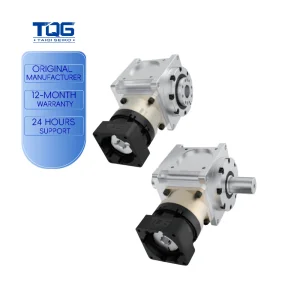
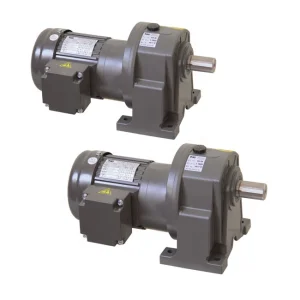
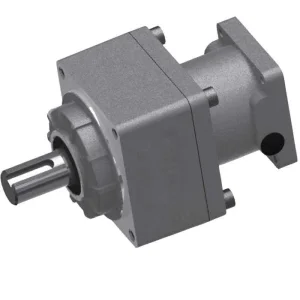
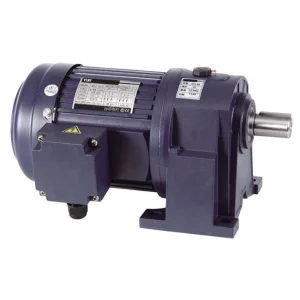
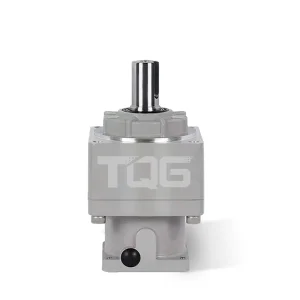
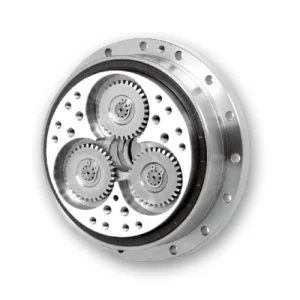
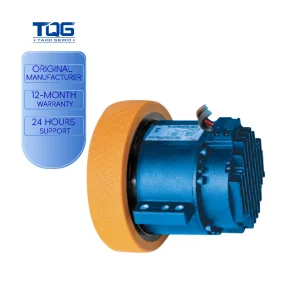
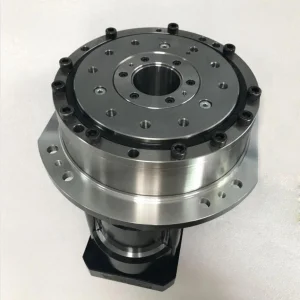
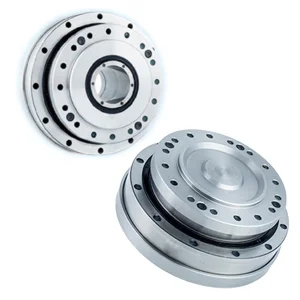
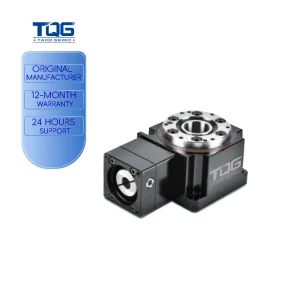
Highly durable planetary gearboxes, heavy-duty gear motors, and indexing elements supporting your automation pipeline.
 BOXTOP ELECTROMECHANICAL EQUIPMENT