Efficiency in material handling is crucial for modern industries. Whether in manufacturing or distribution, “Conveying Systems” play a significant role. These systems streamline the movement of materials, reducing delays and boosting productivity.
A variety of conveying systems exist, each designed for specific tasks. Some excel in transporting bulk materials, while others are better for packages and small items. The choice often depends on factors like speed, distance, and type of material. It's essential to carefully evaluate the needs of a business before selecting a system.
However, not every solution is perfect. Some facilities may face limitations due to space or existing infrastructure. In these cases, integrating new conveying systems can be challenging. It requires a deep understanding of both the technology and the operation. A reliable guide can help navigate these complexities. Exploring various options and real-world applications will lead to better-informed decisions.
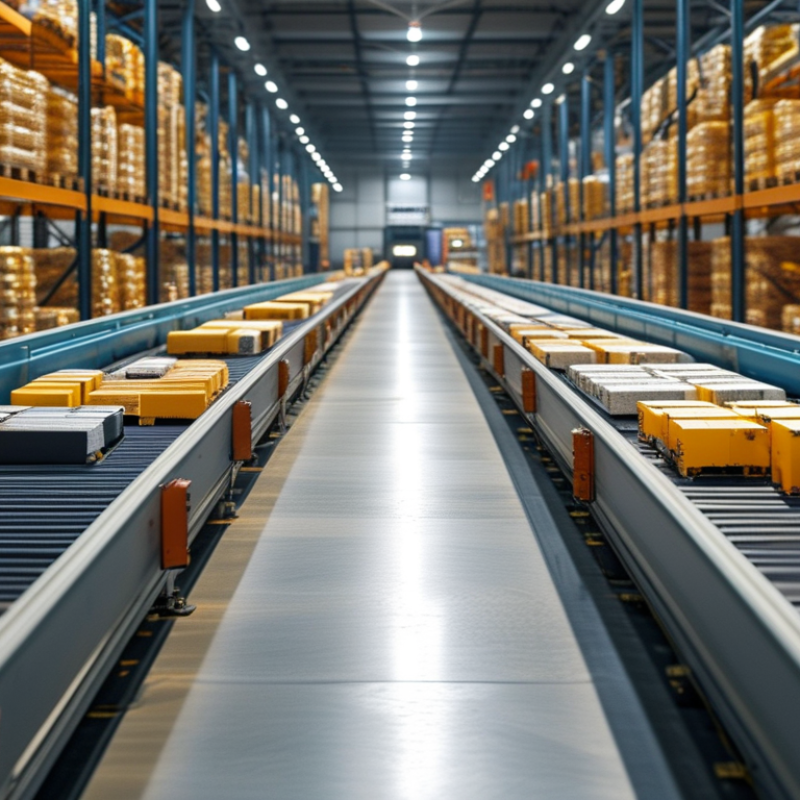
Types of Conveying Systems and Their Applications in Material Handling
In the realm of material handling, several conveying systems facilitate enhanced
efficiency and productivity. Roller conveyors are among the most common systems.
They excel in moving heavy loads across flat surfaces. According to industry reports, up to 30%
of warehouse operations can save time by implementing these systems. They are ideal for manufacturing plants with continuous processes.
Belt conveyors are another reliable option. They provide versatility for transporting various
types of materials. Data indicates that around 25% of material handling systems
utilize belt designs due to their adaptable nature. However, not all operations see a significant ROI; continuous monitoring is
necessary to ensure optimal functionality. In some situations, maintenance costs can offset savings.
Furthermore, pneumatic conveyors are gaining traction in sectors like food and
pharmaceuticals. These systems transport materials through air pressure. Reports suggest they reduce
contamination risks significantly, a crucial measure for hygiene. Yet, the complexity of the technology can lead to potential downtime.
Frequent assessments are essential to avoid unexpected failures.
Key Features to Consider in Efficient Material Handling Conveyors
When selecting conveyors for material handling, several key features must be evaluated. The design should ensure smooth operation. The right size and layout help in maximizing space and efficiency. Adjustable speeds cater to different materials and workflows. Flexibility in design aids in adapting to changing needs.
Tips: Always assess the load capacity. Know the maximum weight each conveyor can handle. This prevents overloading and ensures safety.
Durability is crucial. Materials used should resist wear and tear. Consider environmental factors like moisture or dust. These can impact longevity. Maintenance should also be a focus. Easy access to parts simplifies repairs and reduces downtime.
Tips: Regularly inspect components. A small issue can escalate if ignored. Create a maintenance schedule to stay ahead.
Efficiency hinges on integrating smart technology. Automation can optimize workflows and reduce manual labor. Advanced systems offer real-time monitoring. They track performance data and identify bottlenecks. However, not all solutions fit every operation. Reflect on specific needs before making decisions.
Top Conveying Systems for Efficient Material Handling Solutions - Key Features to Consider in Efficient Material Handling Conveyors
| Conveyor Type |
Material Handling Capacity (kg/h) |
Speed (m/s) |
Energy Efficiency Rating |
Typical Application |
| Belt Conveyor |
1000 |
1.5 |
A+ |
Bulk material transport |
| Roller Conveyor |
1500 |
2.0 |
B |
Packaging and sorting |
| Chain Conveyor |
1200 |
1.0 |
A |
Heavy materials transport |
| Sliding Door Conveyor |
900 |
1.2 |
B+ |
Assembly lines |
| Pneumatic Conveyor |
800 |
0.8 |
A+ |
Granular materials |
Advantages of Automated Conveying Systems for Modern Industries
Automated conveying systems are revolutionizing material handling in modern industries. These systems enhance efficiency and productivity by reducing the need for manual labor. They enable seamless transportation of materials, which optimizes workflow. Moreover, such systems can greatly reduce the risk of workplace injuries.
Many industries are now investing in automated systems. They provide consistent movement of goods. This leads to fewer errors during the transportation process. Reliability is critical, especially in fast-paced environments.
Tips for choosing the right system: assess the volume of materials you handle daily. Consider the type of materials being moved—some systems are better for fragile items. Always think about future growth. A scalable system can save costs down the line.
Reflecting on system implementation can reveal gaps. Is the chosen system user-friendly? Does it integrate well with existing processes? Collect feedback from staff actively using it. Their insights are invaluable for ongoing improvements.
Advantages of Automated Conveying Systems in Modern Industries
Best Practices for Maintenance and Optimization of Conveying Systems
Proper maintenance and optimization of conveying systems can dramatically enhance material handling efficiency. Research indicates businesses that regularly maintain these systems can achieve up to a 30% reduction in downtime. Regular inspections and timely repairs are essential. Failure to address wear and tear could lead to unexpected breakdowns, which can disrupt operations.
Effective training for staff is often overlooked. Operators should understand the specifics of their systems—this is crucial. A report by the Material Handling Industry indicates that 40% of conveyor-related issues are due to user errors. Simplifying user interfaces, providing clear manuals, and conducting routine training can minimize these errors significantly.
Another aspect is system design. Aligning your conveying systems with your workflow can improve efficiency. Overloading conveyors can lead to damage and inefficiency. Data shows that proper load management can enhance conveyor longevity by up to 25%. Companies should regularly reassess their load limits and adjust as necessary. Balancing efficiency with maintenance is critical to achieving operational excellence.
Future Trends in Conveying Technology for Enhanced Material Handling
The landscape of conveying technology is rapidly changing. Innovations focus on automation and real-time data. This trend is driven by the need for efficiency and cost reduction. Smart conveyors now utilize sensors to track performance and detect issues. This allows for preventative maintenance, reducing downtime and increasing productivity.
Sustainability is another significant factor. Many industries are looking for eco-friendly materials and energy sources. Lightweight yet durable materials are becoming more common. They support faster and more efficient movement of goods. However, challenges remain in balancing performance and environmental responsibility. Companies must reflect on their material choices.
Transitioning to fully automated systems presents additional complexities. While they can streamline processes, they also require a skilled workforce. The right balance of human oversight and technology is crucial. Businesses must invest in training and development. The future of material handling relies on adaptation and innovation to tackle these challenges effectively.
Conclusion
Conveying Systems play a crucial role in enhancing efficiency in material handling across various industries. There are several types of conveying systems, each tailored to specific applications, making it essential for businesses to understand their operational needs. Key features to consider when selecting efficient material handling conveyors include speed, load capacity, and adaptability to different materials.
Automated conveying systems offer distinct advantages, such as reduced labor costs and increased precision in operations. To ensure optimal performance, implementing best practices in maintenance and optimization is vital. Looking ahead, future trends in conveying technology indicate a shift towards smarter and more integrated solutions, promising to further enhance the efficiency and effectiveness of material handling processes.

 BOXTOP ELECTROMECHANICAL EQUIPMENT