China’s fastening industry has moved far beyond simple nuts, bolts, and washers. Today, leading Fastening Solutions suppliers support construction, automotive, machinery, renewable energy, and precision manufacturing. Their capabilities may include cold forming, CNC machining, thread rolling, surface treatment, inspection, packaging, and export logistics.
Dr. John H. Bickford, author of Handbook of Bolts and Bolted Joints, observed, “The bolt is the most misunderstood component in the machine.” That warning remains relevant. A supplier may offer impressive tensile-strength figures, yet overlook installation torque, corrosion exposure, thread compatibility, or batch traceability. This guide examines China’s top ten Fastening Solutions suppliers through practical purchasing criteria, rather than marketing claims alone.
The comparison considers material control, dimensional accuracy, testing equipment, production experience, certifications, customization, lead times, and communication quality. Factory visits, sample approvals, and inspection records can reveal details that a website cannot. A clean production floor helps, but it does not prove consistent performance.
Some rankings remain debatable.
Supplier size is not always supplier reliability. A smaller manufacturer may provide stronger engineering support for a complex assembly. Meanwhile, a large exporter may offer broader capacity but slower technical responses. Buyers should confirm applicable standards, coating performance, minimum order quantities, packaging protection, and after-sales responsibility before signing a contract. The strongest suppliers combine dependable manufacturing with honest technical discussion. They also acknowledge limitations, correct mistakes, and improve processes when field feedback exposes weaknesses.
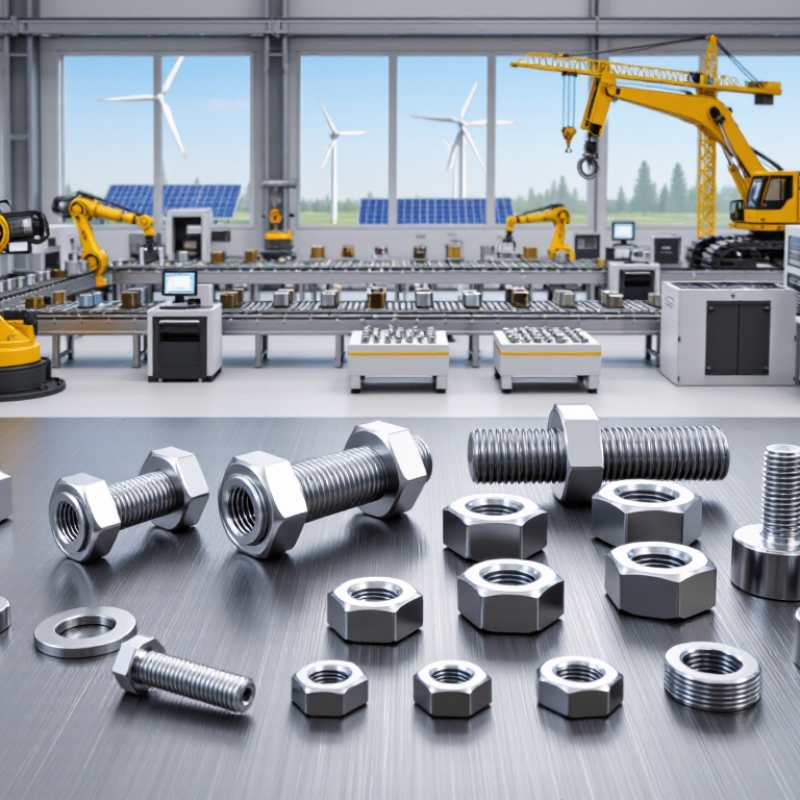
What Are Fastening Solutions and Why Do They Matter in China?
Fastening solutions are more than bolts and nuts.
In China, they include threaded fasteners, washers, rivets, inserts, anchors, torque tools, and technical support. These parts hold equipment, frames, vehicles, and building systems together. A small thread error can cause vibration, leakage, or early failure.
Reliable suppliers usually combine material knowledge with controlled production.
They check steel grades, heat treatment, coating thickness, thread accuracy, and hardness. Experienced teams also review drawings before quoting. This matters when a component must fit a narrow hole or survive coastal humidity. Traceable inspection records add confidence. Still, a supplier’s certificate should not replace independent verification. That is an easy mistake.
Tips:
Ask for samples before bulk orders. Confirm dimensions, strength class, surface treatment, packaging, and inspection methods. Request a realistic production schedule, not only a low price. Factory audits can reveal storage problems, mixed materials, or weak process control. For critical applications, test torque, salt spray resistance, and load performance. Keep written specifications for every revision. Communication can fail here, especially when drawings use different standards. A careful supplier explains the difference instead of guessing. That simple habit prevents expensive rework.
How to Evaluate China’s Fastening Solutions Suppliers
Evaluating China’s fastening solutions suppliers requires more than comparing unit prices. Check whether the supplier understands your application, materials, and installation environment. A supplier producing bolts for indoor furniture may not manage high-load assemblies, vibration, or outdoor corrosion.
Ask for drawings, material certificates, inspection standards, and production records. Reliable suppliers can explain steel grades, heat-treatment controls, thread tolerances, and coating thickness in clear language. Samples reveal habits. Inspect thread smoothness, head markings, surface finish, and packaging before placing a large order. A torque test or tensile test can expose weaknesses that photographs hide.
Quality evidence should be traceable to a batch number, not merely presented as a general certificate. Review equipment, calibration records, and the process for handling defective parts. An on-site audit, video inspection, or independent laboratory test adds useful evidence. Do not rush. Lead time claims should match capacity, raw-material availability, and previous delivery records.
Communication also matters. Ask how engineering changes are approved and how corrective actions are documented. Good suppliers question unclear specifications instead of silently guessing. Still, no evaluation method is perfect. A polished factory may underperform during peak demand, while a smaller workshop may offer stronger technical attention. Consider a controlled trial order, define acceptance limits, and monitor repeat batches. Records matter. Suppliers should report deviations before shipment, even when the problem seems minor. Pricing deserves attention, but consistency, documentation, and practical problem-solving often determine the real cost.
China’s Top 10 Fastening Solutions Suppliers
China’s Top 10 Fastening Solutions Suppliers
China’s top 10 fastening solutions suppliers serve construction, machinery, transportation, and industrial assembly markets. Their product ranges may include bolts, nuts, screws, washers, anchors, and custom fastening kits. Reliable suppliers usually support material selection, drawing review, sample approval, and production inspection. Experience matters when a small thread error can delay an entire assembly line.
A professional supplier should provide clear material certificates, dimensional reports, and traceable batch records. Common materials include carbon steel, stainless steel, and alloy steel. Surface treatments must match the working environment, especially where moisture, heat, or vibration is present. Third-party testing can strengthen confidence, but factory process control remains essential. Ask about tooling accuracy, torque testing, packaging, and replacement procedures before placing a large order.
Not every large factory fits every project. A supplier with strong export experience may still miss a special tolerance or unusual delivery requirement. That is worth checking. Buyers should compare response speed, engineering communication, quality records, and production capacity instead of relying only on price. Factory audits, pilot orders, and periodic inspections offer practical evidence. Some suppliers describe themselves as solution providers, yet provide only standard parts. This gap deserves attention. The strongest candidates explain risks clearly, suggest workable alternatives, and document changes before mass production. Procurement teams should also review applicable technical standards and import requirements for the destination market.
This standards-based benchmark compares nominal minimum tensile-strength classes commonly used when evaluating fastening-solution suppliers in China. Carbon-steel property classes are based on ISO 898-1, while stainless-steel grades are based on ISO 3506-1. The chart presents technical benchmarks rather than company or brand data.
What Products and Industries Do These Suppliers Serve?
China’s top fastening solution suppliers serve more than basic hardware needs. Their product ranges often include hex bolts, socket screws, nuts, washers, rivets, threaded rods, anchors, and custom cold-formed parts. Some also produce self-clinching fasteners and precision components for compact assemblies. Product choice depends on load, material, thread accuracy, installation speed, and exposure to moisture or heat.
Construction buyers commonly need structural bolts, expansion anchors, and corrosion-resistant fixing systems. Automotive manufacturers often require lightweight screws, welding studs, and parts made to tight tolerances. Machinery and industrial equipment companies use high-strength bolts, locking nuts, retaining rings, and special threaded components.
Energy projects may require coated fasteners for outdoor platforms, pipelines, and solar structures. Rail, marine, electronics, and appliance industries also demand application-specific designs. Small details matter.
A reliable supplier should provide material certificates, dimensional reports, coating information, and batch traceability. International standards may include ISO, ASTM, DIN, or customer-specific specifications. In practical sourcing, sample testing and production audits reveal more than a polished catalog. The word “top” can mislead. A large exporter may not handle small custom orders well, while a smaller factory may offer stronger engineering support. I would compare tooling capability, inspection equipment, packaging quality, and response time before choosing. Even then, mistakes happen. Thread fit, coating thickness, or packing counts can still require correction. Clear drawings and repeat inspections reduce those risks.
How to Select the Right Chinese Fastening Solutions Supplier
Selecting the right Chinese fastening solutions supplier requires more than comparing prices in a top-ten list. Product fit, production control, and communication often determine project success. Start by defining the application: thread size, material grade, coating, load, temperature, and installation method. A supplier should explain these choices clearly, not simply recommend its most common item.
Request technical documents, sample parts, inspection records, and a traceable material certificate. Check whether the factory controls wire preparation, forming, heat treatment, surface finishing, and final inspection. An experienced supplier should identify risks such as thread damage, hydrogen embrittlement, coating thickness variation, or inconsistent hardness. Ask for measurable tolerances and test methods. Vague promises are warning signs.
Visit the facility when possible, or arrange a live video audit. Look for calibrated gauges, clean storage, separated batches, and clear labeling. Confirm production capacity with a pilot order before committing to large volume. Communication matters too. Can the team respond accurately to drawings and report a nonconformity without delay?
I have seen attractive samples hide weak batch control. That mistake is expensive. Yet audits are not perfect; a short visit cannot reveal every weakness. Keep independent incoming inspection, especially for safety-critical fasteners. Review delivery history, packaging quality, export experience, and written corrective-action procedures. Choose a supplier that documents evidence and accepts reasonable scrutiny, rather than one that only offers the lowest quotation.
Conclusion
This article explores the role of Fastening Solutions in China’s manufacturing landscape, explaining how reliable bolts, nuts, screws, anchors, rivets, threaded components, and customized fastening systems support product safety, assembly efficiency, and long-term performance. It also outlines practical criteria for evaluating Chinese suppliers, including material quality, manufacturing capability, dimensional accuracy, quality control, certifications, production capacity, customization support, communication, delivery reliability, and after-sales service.
The article presents a balanced overview of China’s top ten types of fastening solution suppliers without focusing on any specific brand. It examines the products and industries they commonly serve, such as construction, machinery, automotive production, renewable energy, electronics, infrastructure, and general industrial manufacturing. Finally, it provides guidance for selecting a suitable supplier by comparing technical requirements, order volume, budget, testing needs, packaging, logistics, and compliance expectations. This approach helps international buyers identify dependable partners and build stable, efficient, and mutually beneficial supply relationships.

 BOXTOP ELECTROMECHANICAL EQUIPMENT