Top 5 Gear Motor Tips for Global Buyers to Consider

Time:2026-06-22 Author:Mason
0%

When sourcing gear motors, global buyers face unique challenges. Gear motors are essential for a wide array of applications, from robotics to manufacturing. Understanding key considerations is vital for making informed decisions.

Many buyers overlook the importance of precise specifications. Gear ratio, torque, and size can greatly affect performance. It's crucial to assess your requirements carefully. A mismatch could lead to inefficiency or failure.

Reliability is another critical factor. Not all manufacturers provide the same quality. Researching the supplier’s reputation can save you from future problems. Take time to read reviews and seek expert advice. This process can uncover valuable insights. Balancing cost with quality is not easy. Enjoy the savings while ensuring dependable performance.
Top 5 Gear Motor Tips for Global Buyers to Consider

Understanding Gear Motor Basics: Key Components and Functions

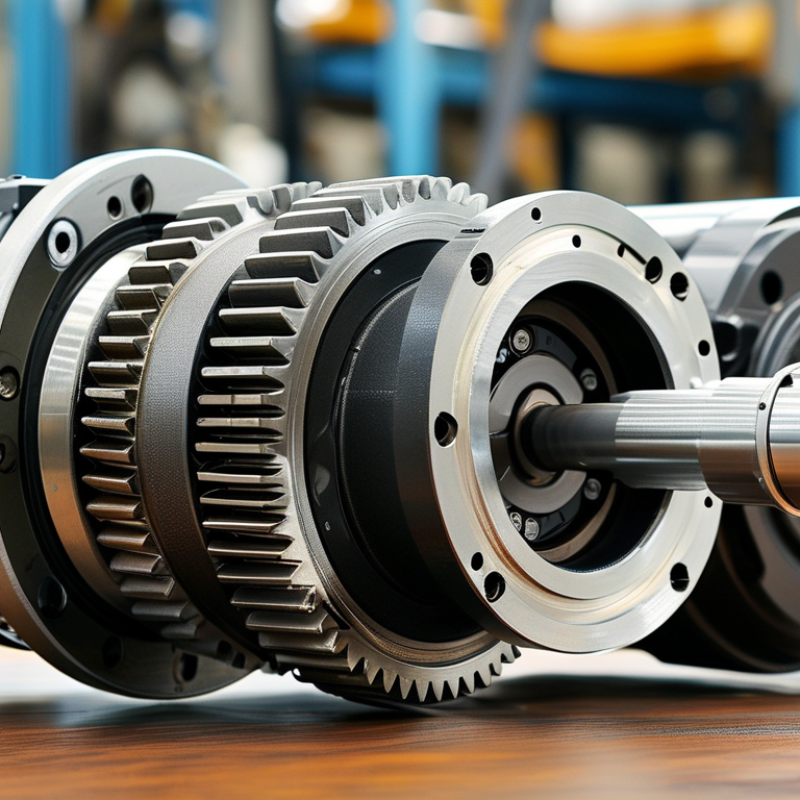
Understanding gear motors requires knowledge of their key components and functions. A gear motor combines a motor and a gearbox. This integration enhances torque and speed control. According to industry reports, gear motors account for over 35% of the global industrial motor market. This indicates their importance in various applications across manufacturing and automation sectors.

When purchasing gear motors, consider their efficiency ratings. A well-optimized gear motor can improve productivity and reduce energy consumption. Engineers have found that selecting the right gear ratio can lead to significant performance gains. Look for suppliers that provide detailed efficiency data. This transparency builds trust.

Another crucial aspect is the environment in which the motor operates. Harsh conditions can affect performance. Be cautious with temperature ranges and humidity levels. Some gear motors perform poorly in extreme scenarios. Ensure the specifications match your application needs to avoid future headaches. These tips can guide buyers toward more informed decisions.

Evaluating Performance Metrics: Torque, Speed, and Efficiency

When selecting gear motors, performance metrics are crucial. Focus on torque, speed, and efficiency. Torque is the rotational force. A higher torque means better performance in demanding applications. Understanding your specific requirements can help make informed decisions.

Speed is another key metric. It determines how fast your gear motor can operate. However, higher speeds may compromise torque. Balancing speed and torque is vital for optimal functionality. Evaluate your application needs to find the right speed range.

Efficiency is equally important. It influences energy consumption and operational costs. A more efficient motor means lower energy bills. This aspect can also affect the overall lifespan of the motor. Research and compare efficiency ratings of different options before making a choice.

Tip: Always request performance data from manufacturers. This transparency allows you to gauge a motor's reliability and operational suitability. Regularly reassessing your motor's performance can reveal areas for improvement. Aim for a motor that can adapt to your evolving needs over time. Investing time in understanding these metrics pays off in the long run.

Assessing Application Needs: Choosing the Right Gear Motor Type

Selecting the right gear motor involves understanding your application needs. Different projects demand various specifications. A thorough assessment of load requirements, torque, and speed is essential. For example, varied industries like manufacturing or robotics necessitate specific gear motor types.

Tip 1: Evaluate your load and torque requirements carefully. Overestimating can lead to performance issues. Selecting a gear motor with excessive capacity might lead to inefficiencies.

Tip 2: Consider the environmental conditions. Will the motor be exposed to dust, moisture, or extreme temperatures? A gear motor designed for harsh conditions may be critical for longevity and reliability.

Tip 3: Don't ignore compatibility with existing systems. A mismatch can cause operational failures. Ensure that the gear motor integrates smoothly with your machinery or technology. Assessing these needs upfront will guide you toward the optimal choice.

Quality vs. Cost: Tips for Selecting Reliable Manufacturers

When selecting a gear motor manufacturer, buyers face the quality versus cost dilemma. It's tempting to choose the lowest-priced option. However, this can lead to long-term issues. A failing motor can cause costly downtimes. Therefore, it’s essential to assess both quality and cost effectively.

Start by examining materials used in production. Motors made from high-quality components often last longer and perform better. Ask for samples to test before making a bulk order. This step can reveal potential flaws. A manufacturer’s reputation is also telling. Reviews and testimonials from past clients provide insights into reliability.

Look for certifications that validate a manufacturer's claims. These certifications often indicate adherence to industry standards. Without them, the risk increases. Engage with potential suppliers to understand their quality control processes. This dialogue may unveil inconsistencies in their practices.

Compromise on cost might seem wise, but it’s crucial to weigh the potential hidden costs.

Global Sourcing Considerations: Regulations, Shipping, and Support

When sourcing gear motors globally, businesses must navigate complex regulations. Different countries have varying standards for safety and quality. Ensure compliance with local laws to avoid costly delays. Research the specific requirements before initiating any shipment. Recognizing these regulations not only aids in smooth transactions but also builds trust with suppliers.

Shipping logistics present another challenge. Global shipping can be unpredictable. Potential delays and damage during transport are common issues. Opting for reliable carriers is crucial. Clear communication with shipping partners helps minimize risks. Tracking shipments can provide peace of mind, but it does not eliminate all uncertainties.

Support systems offered by suppliers significantly influence buyer satisfaction. Investigate whether vendors provide after-sales support. A supplier that prioritizes customer service is valuable. They can assist with troubleshooting or warranty claims. Reflect on these considerations to ensure functional, long-lasting motor solutions.

FAQS

: What are gear motors?

: Gear motors combine a motor and a gearbox. This integration improves torque and speed control.

Why are efficiency ratings important for gear motors?

Well-optimized gear motors enhance productivity. They also reduce energy consumption significantly.

How does gear ratio affect gear motor performance?

Selecting the right gear ratio can lead to noticeable performance gains. It’s essential for optimal operation.

What environmental factors can affect gear motors?

Harsh conditions, like extreme temperatures and humidity, can impair performance. Match specifications to your application.

What should businesses consider when sourcing gear motors globally?

Different countries have varying safety and quality regulations. Compliance is crucial to avoid costly delays.

What challenges do shipping logistics present for gear motors?

Global shipping can be unpredictable. Delays and potential damage during transport are common issues encountered.

How important is supplier support for gear motors?

After-sales support from suppliers significantly influences satisfaction. It helps with troubleshooting and warranty claims.

What can happen if gear motors are not suited for their environment?

Poorly matched motors can lead to operational issues. Reflecting on specifications can prevent future headaches.

What should companies do before initiating a shipment?

Research specific local regulations. This understanding helps build trust and avoid delays with suppliers.

How does supplier communication impact shipping?

Clear communication with shipping partners minimizes risks. It does not eliminate all uncertainties but provides peace of mind.

Conclusion

When considering gear motors for various applications, it is essential to understand their basic components and functions. Gear motors integrate a motor with a gearbox to deliver specific torque and speed requirements, making them crucial in a wide array of applications. Evaluating performance metrics such as torque, speed, and efficiency will help buyers determine the best fit for their needs.

Choosing the right type of gear motor requires a clear assessment of application needs, including load capacity and operational environment. Additionally, balancing quality and cost is vital, necessitating the selection of reliable manufacturers. Global sourcing demands careful consideration of regulations, shipping logistics, and support to ensure smooth import and deployment of gear motors. By following these tips, buyers can make informed decisions that enhance the performance and reliability of their gear motor applications.

Mason

Mason

Mason is a seasoned marketing professional with a deep expertise in the company's offerings and a passion for driving brand awareness. With a strong background in digital marketing strategies, he has an innate ability to connect with diverse audiences and effectively communicate product benefits.......