How to Choose the Right Gear Units for Your Application?

Time:2026-06-25 Author:Sophia
0%

Choosing the right gear units for your application is crucial. Gear units are essential components in machinery. They influence performance and efficiency. Selecting the wrong type can lead to failures and increased costs.

Understanding your specific needs is vital. Consider factors like load, torque, and speed. Different applications demand different gear configurations. The variety is vast, including bevel, helical, and worm gear units. Each type offers unique benefits and drawbacks.

It's easy to feel overwhelmed by options. Inexperience can lead to mistakes. Consulting with experts can provide clarity. Reliable manufacturers often offer guidance. Take time to research and reflect on your choices. This investment pays off in enhanced durability and performance. Gear units can significantly impact your operation's success.
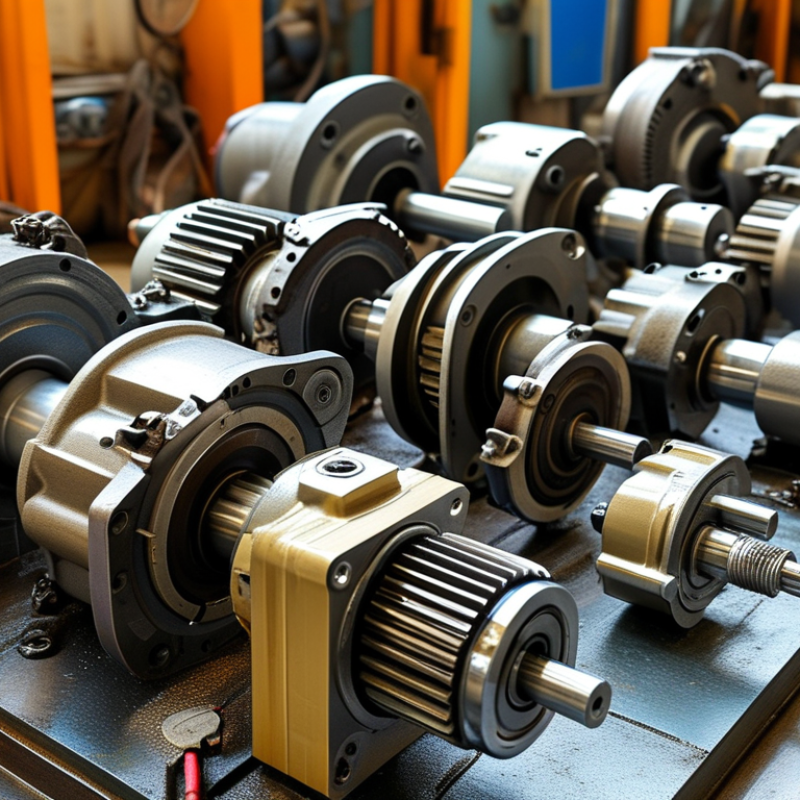
How to Choose the Right Gear Units for Your Application?

Understanding Gear Units and Their Functionality

When selecting gear units for your application, understanding their functionality is crucial. Gear units convert input speed and torque to output speed and torque, enhancing operational efficiency. They play a vital role in machinery across various industries, from manufacturing to robotics. Each gear type has unique characteristics tailored to specific tasks, impacting performance greatly.

Tips: Assess your load requirements before choosing a gear unit. High loads need robust gears. Also, consider environmental factors like temperature and humidity. These can affect gear performance.

The choice between helical, bevel, and planetary gears can be daunting. Helical gears offer smooth operation, while bevel gears excel in changing axis. Planetary gears provide compact designs with high torque. Understanding these differences can be overwhelming, leading to indecision. Evaluate your application's demands carefully; this can help narrow down your choices.

Tips: Don’t overlook the possibility of custom gear solutions. They can be more effective, but may also lead to longer lead times. Consulting with an expert can clarify your thoughts and ensure you make an informed decision. Each choice carries trade-offs that require reflection and analysis.

Identifying Your Application Requirements

When selecting gear units for specific applications, it is vital to understand the operational requirements. Start by assessing the load capacity needed. According to industry reports, nearly 40% of equipment failures arise from inadequate load ratings. Knowing the maximum torque is essential. This data directly impacts efficiency and life expectancy of the gear unit.

Next, consider the environment in which the gear unit will function. Harsh conditions such as high temperatures or humidity may affect performance. A study revealed that improper material selection in severe environments leads to a 30% increase in maintenance costs. Ensure your choice can withstand these conditions while maintaining reliability.

Finally, don’t overlook the importance of efficiency ratings. Research shows that improving gear unit efficiency by just 1% can lead to energy savings of up to 5%. This not only reduces operational costs but also benefits the environment. Evaluating these factors carefully is crucial for making an informed decision in your gear unit selection process.

How to Choose the Right Gear Units for Your Application? - Identifying Your Application Requirements

Application Type Torque Requirement (Nm) Speed (RPM) Gear Ratio Load Type Environment
Conveyor Systems 150 50 5:1 Constant Indoor
Pumping Systems 200 30 3:1 Variable Outdoor
Cranes and Hoists 500 10 15:1 Static Indoor/Outdoor
Textile Machinery 75 100 10:1 Constant Indoor

Evaluating Gear Unit Types and Specifications

When choosing the right gear units, it’s crucial to evaluate different types and specifications. Gear units come in various designs. Each design serves unique applications. Understanding load requirements is essential. Does the application require high torque or speed? This determines your choice significantly.

Bearings, gear ratios, and materials also affect performance. For heavy industrial use, you may need robust materials. For precision applications, gear ratios become vital. They influence speed and torque balance. Additionally, consider the environment. Harsh conditions might require specialized units.

Many applications face unexpected challenges. Often, standard units may not suffice. Customization could become necessary. Evaluating the unit’s lifecycle is wise. Think about maintenance needs too. Will the unit withstand wear and tear? Would regular servicing be manageable? These reflections can guide a more informed decision.

Gear Units Type Comparison

Comparing Efficiency and Performance Factors

Choosing the right gear units is crucial for optimal application performance. Efficiency plays a vital role. Different gear systems can yield varied efficiency levels. For instance, helical gears often provide quieter operation. However, they may not always offer the highest torque capacity. Understanding the specific requirements of your application allows for better selection.

Performance factors encompass various elements like load capacity, speed, and thermal limits. A unit that works well in one setting might struggle in another. For example, worm gears can handle high loads but may exhibit lower efficiency due to design limitations. Selecting the wrong type can lead to reduced productivity and increased maintenance needs.

It's essential to analyze the specific conditions of your application. Factors like operating environment and expected lifespan matter. Potential refinements in gear selection can significantly impact long-term success. A thoughtful approach to gear unit choice ensures longevity and optimal operation. Mistakes in selection can be costly and time-consuming to rectify.

Making an Informed Purchase Decision

Choosing the right gear units is critical for operational efficiency. Industry studies indicate that 70% of equipment failures stem from incorrect component selection. Understanding load requirements and application type is essential. An extensive professional report suggests that improper gear ratio selection can lead to a loss of 15-20% in energy efficiency.

When making a decision, consider factors such as environmental conditions and maintenance needs. For instance, a study by the American Gear Manufacturers Association highlights that inadequate lubrication can reduce lifespan by up to 50%. Additionally, be aware that optimal performance is often a balance. Oversizing gear units may lead to inefficiencies, while undersizing risks mechanical failure.

Engage with data from field reports to validate your choices. Gathering insights from industry experts can provide valuable perspectives. It's often helpful to analyze case studies, as real-world applications reveal common pitfalls. Adopting a hands-on approach with prototype testing can uncover issues early on, which might otherwise go unnoticed.

FAQS

: How do I determine the load capacity needed for a gear unit?

: Assess the application’s requirements carefully. Inadequate load ratings lead to equipment failures.

What environmental factors should I consider for gear units?

Harsh conditions like high temperatures or humidity can impact performance and increase maintenance costs.

Why is efficiency rating important when selecting gear units?

Improving efficiency can save energy and reduce operational costs, benefiting both finances and the environment.

What are the key specifications to look for in gear units?

Evaluate design types, load requirements, gear ratios, and material strengths for your specific application.

How can I prevent mechanical failure in gear units?

Avoid undersizing the units. Oversizing can also lead to inefficiency, so finding a balance is crucial.

What role does lubrication play in gear unit lifespan?

Inadequate lubrication can greatly reduce lifespan, potentially by half. Regular maintenance is vital.

When might I need a customized gear unit?

Many applications face unique challenges requiring custom solutions instead of standard units.

How can case studies help in decision-making?

Analyzing real-world applications reveals common pitfalls and guides informed choices during selection.

What should I keep in mind about maintenance needs for gear units?

Consider wear and tear. Assess whether regular servicing will be manageable for the chosen unit.

How can I validate my gear unit choices?

Engage with data from field reports and insights from industry experts to confirm your selection.

Conclusion

Choosing the right gear units for your application is crucial for optimizing performance and efficiency. Understanding the functionality of gear units is the first step, as it allows you to match their capabilities with your specific needs. Identifying the requirements of your application, such as load capacity, speed ratios, and environmental factors, is essential for making an informed choice.

Once your requirements are clear, you must evaluate the different types and specifications of gear units available on the market. Comparing efficiency and performance factors can guide you toward a more effective selection that meets operational demands. By taking these steps, you can confidently make a purchase decision that aligns with your application's needs, ensuring reliability and optimal performance of your machinery.

Sophia

Sophia

Sophia is a dedicated marketing professional with an exceptional depth of knowledge about her company's products and services. With a keen understanding of market trends and customer needs, she crafts insightful blog posts that not only inform but also engage readers, enriching the company’s online......