Choosing among the 10 Best Conveying Systems for Global Buyers requires more than comparing catalog prices. Material behavior, throughput, distance, hygiene, energy use, and maintenance access can change the correct choice. A dry powder may need pneumatic conveying, while fragile fruit, cartons, or heavy pallets may perform better on belt, roller, or bucket systems.
Dr. David Mills, a respected pneumatic conveying specialist and author, has emphasized, “The successful design of a conveying system depends on understanding the material being conveyed.” That principle remains practical today. A buyer should examine particle size, bulk density, moisture, temperature, abrasiveness, and flow characteristics before approving equipment. Small details matter. A sticky powder can block a line. A sharp aggregate can wear an elbow within months. A high-speed belt may also damage delicate products.
There is no universal winner.
This guide evaluates Conveying Systems through a global procurement lens. It considers capacity, layout flexibility, automation, cleaning requirements, spare-part availability, installation support, and total cost of ownership. It also recognizes an uncomfortable reality: published performance figures may not reflect dust, humidity, unstable power, or operator skill at the final site. Buyers should request material tests, reference installations, maintenance records, and realistic energy estimates. Regional service coverage deserves equal attention. The cheapest quotation can become expensive after one failed motor or unavailable bearing. These recommendations provide a useful starting point, but each application still needs engineering verification. Some rankings may shift when actual site conditions are measured.
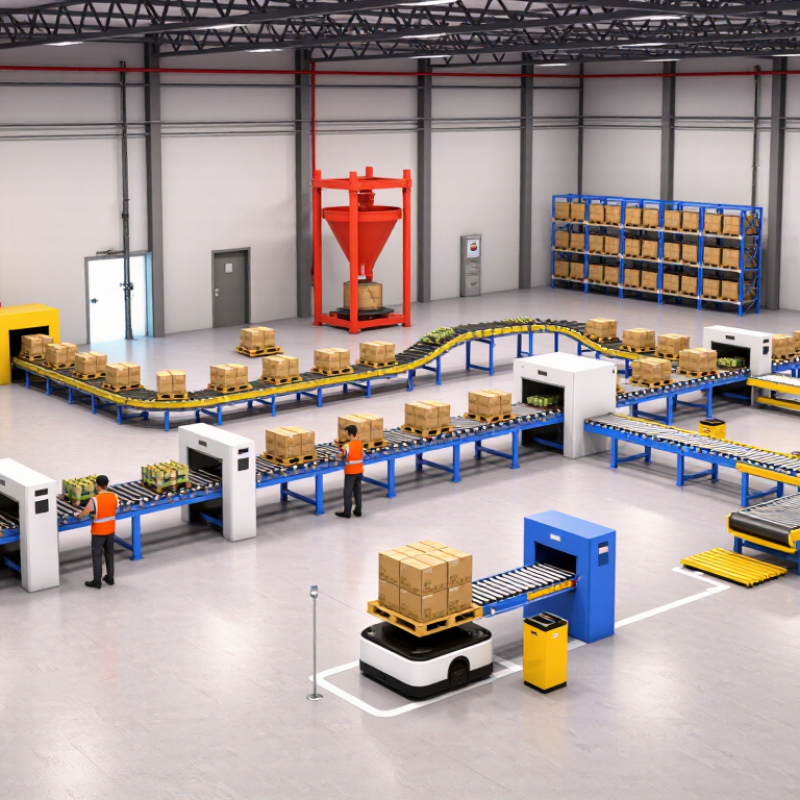
Conveying systems move materials through a facility with controlled speed, direction, and spacing. They may use belts, rollers, chains, screws, or pneumatic pressure. The purpose is practical: reduce manual handling, protect product quality, and maintain predictable flow. A well-designed line links receiving, processing, storage, and shipping with fewer interruptions.
Core operation depends on friction, gravity, motor torque, load weight, and conveyor speed. Sensors detect position, while controllers adjust movement around transfer points. Inclined conveyors need sufficient traction and braking. Pneumatic systems require stable air pressure and suitable pipe sizing. The 2023 MHI Annual Industry Report found that 74% of supply-chain professionals planned to increase technology investment. That trend supports stronger demand for measurable conveying performance.
Global buyers should compare throughput, belt width, energy use, cleaning access, noise, and maintenance time. MarketsandMarkets projected the conveyor system market to grow from about 10.6 billion dollars in 2023 to 13.4 billion dollars by 2028. Numbers help, but they do not replace site testing. A catalog capacity can change with humidity, dust, uneven loading, or frequent starts. That assumption is useful, but incomplete. In real facilities, a small transfer gap can create repeated jams. Operators notice those details first.
| No. | Conveying System | Core Operating Principle | Best-Suited Materials | Typical Applications | Key Advantages | Main Limitations | Typical Conveying Direction |
|---|---|---|---|---|---|---|---|
| 1 | Belt Conveyor | A continuous belt moves over powered pulleys and idlers to transport loads. | Cartons, parcels, packages, bulk solids, food products, and components. | Warehouses, distribution centers, mining, agriculture, food processing, and manufacturing. | Versatile, energy-efficient over long distances, and suitable for horizontal or inclined transport. | Belts can wear, slip, or mistrack; sharp or hot materials may require special belt construction. | Horizontal, inclined, or declined. |
| 2 | Roller Conveyor | Loads travel on a series of cylindrical rollers powered by motors or moved by gravity. | Boxes, pallets, totes, trays, drums, and rigid-bottom containers. | Parcel handling, pallet movement, assembly lines, packaging, and loading areas. | Durable, modular, easy to maintain, and effective for unit loads. | Not suitable for soft, irregular, or very small items that cannot bridge roller gaps. | Horizontal or gently inclined. |
| 3 | Screw Conveyor | A rotating helical screw inside a trough or tube pushes material forward. | Powders, grains, pellets, cement, ash, sludge, and other bulk solids. | Food, chemical, agricultural, wastewater, cement, and mineral processing. | Compact design, controlled discharge, enclosed transport, and potential for mixing or heating. | Higher power use and material degradation may occur over long distances or at high speeds. | Horizontal, inclined, or short vertical sections. |
| 4 | Bucket Elevator | Buckets attached to a belt or chain lift bulk material vertically and discharge it at the head. | Grain, flour, fertilizer, pellets, powders, and dry granular products. | Grain storage, feed mills, food processing, fertilizer plants, and mineral handling. | Efficient vertical lifting with a relatively small floor-space requirement. | Requires careful alignment, bucket loading, belt or chain maintenance, and dust control. | Vertical. |
| 5 | Chain Conveyor | One or more endless chains engage sprockets and carry loads or attachments along a fixed path. | Pallets, crates, containers, heavy parts, and hot or rugged products. | Automotive, metalworking, pallet handling, assembly, and industrial production lines. | High load capacity, positive drive, and good resistance to harsh operating conditions. | Can be noisy; lubrication, sprocket inspection, and chain tension control are required. | Horizontal, inclined, or custom routed. |
| 6 | Pneumatic Conveyor | Airflow suspends and transports particles through pipelines in dilute-phase or dense-phase operation. | Powders, flour, sugar, plastic pellets, chemicals, and dry granular materials. | Pharmaceutical, food, plastics, chemical, and bulk-material processing. | Enclosed, flexible routing with low risk of product exposure to the surrounding environment. | High energy demand; particles may degrade, segregate, or cause pipeline wear. | Horizontal, vertical, and complex routes. |
| 7 | Vibratory Conveyor | Controlled vibration causes material to move along a pan or trough through repeated forward and upward motion. | Food products, aggregate, castings, powders, granules, and fragile bulk items. | Food inspection, weighing, feeding, recycling, foundries, and aggregate processing. | Precise metering, gentle handling, and suitability for hot or abrasive materials. | May generate noise and requires correct tuning for material characteristics and load conditions. | Generally horizontal or slightly inclined. |
| 8 | Drag Conveyor | Flights attached to a chain drag bulk material through an enclosed trough. | Wood chips, grain, ash, coal, biomass, and abrasive bulk solids. | Power generation, biomass handling, grain processing, mining, and waste treatment. | Enclosed conveying, multiple inlet or outlet options, and effective handling of heavy materials. | Chain and flight wear can be significant; unsuitable for very fragile products. | Horizontal or moderately inclined. |
| 9 | Pallet Conveyor | Powered rollers, chains, or slats move standardized pallets between process or storage points. | Loaded pallets, large containers, industrial totes, and unitized loads. | Warehousing, manufacturing, distribution, automated storage, and order fulfillment. | Supports heavy loads, enables accumulation, and integrates with automated material-handling systems. | Needs a stable pallet base, adequate floor space, guarding, and coordinated controls. | Horizontal, inclined, or transferred through junctions. |
| 10 | Overhead Conveyor | A suspended chain, trolley, or carrier system transports products above the production floor. | Garments, painted parts, carcasses, tools, components, and suspended containers. | Automotive finishing, garment handling, meat processing, painting, and assembly operations. | Saves floor space, supports continuous routing, and can pass through washing, painting, or assembly stages. | Installation height, structural support, load balancing, and access for maintenance must be considered. | Horizontal, inclined, vertical, and looped routes. |
Note: System selection depends on material properties, load characteristics, required throughput, conveying distance, elevation change, sanitation requirements, available space, and operating environment.
It moves materials through a facility at controlled speed and spacing. Belts, rollers, chains, screws, and air pressure can provide movement. The system connects receiving, processing, storage, and shipping areas.
They reduce manual handling and support steadier material flow. They can also protect product quality during movement. Fewer interruptions usually improve daily production.
Friction, gravity, motor torque, load weight, and speed all matter. Moisture and uneven loading can reduce actual capacity. Catalogue figures are helpful, but incomplete.
Check tonnes per hour under normal operating conditions. Test the actual material, including its moisture and bulk density. A system rated for 100 tonnes may deliver less daily.
Check guarding, emergency stops, access points, and lockout procedures. Review dust control and exposed moving parts. Small gaps can create serious hazards and repeated jams.
Include installation, energy use, spare parts, cleaning, inspections, and downtime. A cheaper purchase can become expensive after repeated belt replacements. The spreadsheet may still miss practical costs.
Technicians need clear access to bearings, belts, sensors, and transfer points. Difficult access can turn a short repair into several lost hours. This detail is often missed.
Request material testing under realistic conditions. Compare noise, dust, cleaning access, and inspection intervals. Leave space around the equipment. Future repairs rarely follow the original plan.
No. They require stable air pressure and correctly sized pipes. Energy use and material characteristics must be reviewed carefully. My judgment could change after site testing.
Monitor sensors, transfer points, braking, and loading patterns. Keep critical spare parts nearby when deliveries take time. Operators should record small jams, not dismiss them. Tiny problems grow.
Conveying Systems are essential solutions for moving bulk materials, packaged goods, and components efficiently across manufacturing, warehousing, distribution, and processing operations. This article explains their definition, purpose, and core operating principles, helping global buyers understand how different designs support continuous, controlled, or specialized transport. Belt conveyors provide flexible handling for a wide range of products, while roller, chain, and slat conveyors offer stable movement and precise control for heavier, rigid, or regularly shaped items.
The article also examines pneumatic, screw, and bucket systems, which are suited to enclosed, vertical, powder, granular, or temperature-sensitive applications. To select the right equipment, buyers should compare throughput capacity, product characteristics, layout requirements, safety provisions, energy use, installation costs, and long-term maintenance needs. A balanced evaluation of reliability, operational flexibility, total ownership cost, and service accessibility can help organizations choose a conveying solution that improves productivity while supporting safe and consistent material flow.

 BOXTOP ELECTROMECHANICAL EQUIPMENT