Best 90 Degree Gearbox for Industrial Use in 2026

Time:2026-11-02 Author:Isabella
0%

Choosing the best 90 Degree Gearbox in 2026 is not just a matter of matching shaft angles. It means balancing torque, speed, efficiency, heat, and available space. A compact right-angle unit may fit neatly beside a conveyor, yet still run hot under continuous load. Small details matter.

The U.S. Department of Energy has reported that motor-driven systems account for roughly 68% of electricity use in U.S. manufacturing. That figure covers more than gearboxes, but it highlights why drivetrain efficiency deserves careful attention. For selection guidance, Robert L. Mott’s mechanical-design texts explain how meshing gears transmit motion and power. In practical terms: check the load, not just the catalog rating. A gearbox that suits a steady conveyor may be wrong for a mixer with frequent starts.

This guide compares bevel, worm, and other right-angle configurations, along with materials, lubrication, mounting, and maintenance needs. It also considers manufacturer data and relevant AGMA guidance, rather than relying on marketing claims alone. Exact performance depends on the full drive system. That can be easy to overlook. We’ll identify what buyers should verify before choosing a model, including service factor, operating temperature, backlash, and replacement-part access. Some specifications still need confirmation with the supplier; a polished datasheet is not a substitute for application review.
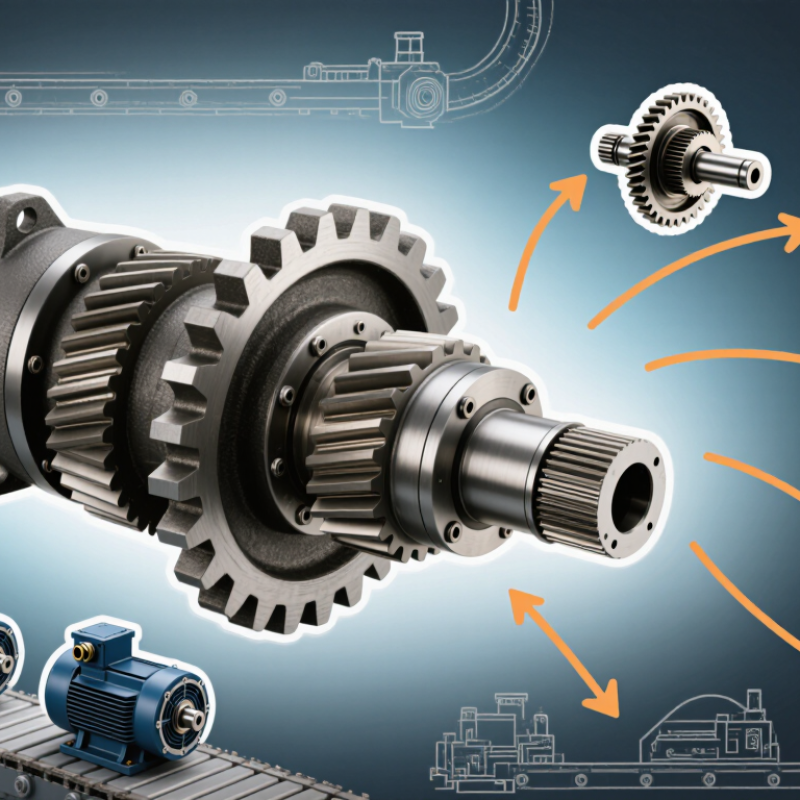
Best 90 Degree Gearbox for Industrial Use in 2026

Understanding 90-Degree Gearboxes and Their Industrial Role

A 90-degree gearbox redirects rotary power when a machine’s layout demands a turn. It can also adjust speed and increase output torque. In a conveyor, for example, it may fit beneath a tight frame, turning a horizontal motor output toward a vertical roller shaft. The housing must still handle heat, vibration, and the actual load—not just fit the drawing.

The International Energy Agency’s 2011 report, Energy-Efficiency Policy Opportunities for Electric Motor-Driven Systems, estimates that motor-driven systems use 43–46% of global electricity. This figure covers complete motor-driven systems, not gearboxes alone. It highlights why transmission losses and correct load matching matter in industrial equipment. A gearbox’s efficiency depends on its design, lubrication, operating speed, and load; a single catalog figure may not describe the real installation.

Selection starts with required output torque, speed ratio, duty cycle, and mounting position. Check whether the unit can tolerate starting peaks and sustained operation. Check clearances, too. A compact housing can complicate maintenance access. Bevel designs often suit efficient right-angle transmission, while worm designs can offer high reduction in a small space, with different efficiency and heat trade-offs. No option wins everywhere. Reviewing the operating conditions carefully is less exciting than comparing headline ratings, but often more useful.

How Right-Angle Gearboxes Transmit Power

A right-angle gearbox changes the direction of mechanical power, usually turning a shaft path by 90 degrees. Inside, meshing gears transfer torque from the input shaft to the output shaft, while the casing keeps the shafts aligned. Bevel gears commonly use intersecting shafts; worm gears use offset shafts and a screw-like input. Each arrangement affects efficiency, noise, heat, and back-driving behavior. “90 degree” describes the layout, not the gearbox’s performance. That distinction matters.

The gear ratio trades speed for torque: reduction slows the output and increases available torque, minus mechanical losses. A conveyor, for example, may need a slower roller with enough starting force to move a loaded belt. Check rated torque, peak loads, duty cycle, mounting position, and lubrication requirements against the machine’s operating conditions. Alignment is easy to overlook. A small coupling error can increase bearing stress and vibration, while unsuitable lubricant can raise operating temperatures. Measure temperature and listen for changes after startup. Neither observation proves a fault, but both can reveal trends. It is tempting to choose by ratio and price alone; real shock loads and installation details can complicate that choice. A careful specification still deserves a practical check.

Best 90 Degree Gearbox for Industrial Use in 2026: How Right-Angle Gearboxes Transmit Power

Right-angle gearboxes redirect power through a 90-degree turn. Indicative efficiency ranges vary by design; actual performance depends on gear ratio, number of stages, operating load, lubrication, and manufacturing details.

Key Criteria for Selecting an Industrial Gearbox in 2026

Selecting a 90-degree gearbox in 2026 starts with the actual duty, not the catalog ratio. Record continuous and peak torque, starts per hour, daily runtime, and ambient temperature. Then check the ratio, output speed, shaft orientation, mounting position, and allowable backlash. Small details matter. An undersized unit may overheat during repeated starts, while an oversized one can increase purchase and operating costs. The U.S. Department of Energy’s Improving Motor and Drive System Performance sourcebook estimates that motor-driven systems consume 68% of manufacturing electricity. That makes gearbox losses worth measuring across the full drive train, rather than guessing from rated efficiency.

Compare efficiency at your real load point, thermal capacity, service factor, backlash, noise, and lubrication needs. Ask for duty-cycle ratings and test data, not just a headline efficiency figure. The IEA’s Energy Efficiency 2023 report puts industry’s share at about 37% of global energy consumption. That figure is broad, not gearbox-specific. Match the enclosure and seals to dust, washdown, vibration, and ambient heat at the installation. Confirm that maintenance crews can inspect oil and reach fasteners without dismantling nearby equipment. Published efficiency rarely captures misalignment, poor lubrication, or changing loads. Measure twice.

Comparing Gearbox Types for Different Industrial Applications

Best 90 Degree Gearbox for Industrial Use in 2026

Choosing a right-angle gearbox starts with the machine, not a catalog label. A conveyor turning around a tight corner may suit a bevel gearbox, which transfers power efficiently through intersecting shafts. For compact mixers or indexing tables, a worm gearbox can provide high reduction in a small space. It may run warmer, though, especially under continuous load.

Helical-bevel units often balance efficiency, quiet operation, and torque for packaging lines or material handling. Planetary right-angle gearboxes suit demanding applications where high torque and a compact footprint matter, such as robotic positioning.

Check rated torque, service factor, input speed, mounting orientation, and duty cycle against real operating conditions. A gearbox that passes a short test may overheat during a full shift.

Heat matters.

Maintenance access deserves attention too. Worm designs can be simple to install, but lubricant choice and replacement intervals affect service life. Bevel and helical-bevel units may deliver higher efficiency, yet alignment and mounting still need care. Confirm shaft direction, backlash, ambient temperature, and shock loads using application data. Don’t select by ratio alone. Even a careful estimate can miss how often a machine starts or how much clearance technicians need. The quietest or smallest option may not be the best fit.

Installation and Maintenance for Reliable Gearbox Performance

A 90-degree gearbox performs reliably only when its installation matches the actual load and operating conditions. Start with a rigid, level mounting surface. Soft feet or a flexible frame can introduce vibration before the gearbox even reaches full speed. Check shaft alignment with suitable measuring tools, not by eye. Small details matter. A perfect reading on a cold machine can still change after it warms up, so recheck alignment during commissioning when practical.

Follow the gearbox maker’s instructions for lubricant type, fill level, and mounting position. Too little oil can leave gears or bearings poorly lubricated; too much may increase heat and churning losses. Keep the breather clear, and inspect seals for fresh oil traces after the first operating hours. Use fasteners tightened to the specified torque, and avoid forcing couplings onto shafts with hammer blows. That shortcut can damage bearings.

Maintenance should reflect duty, not just the calendar. Record operating temperature, noise, vibration, and any oil changes; a simple log can reveal gradual changes. Check for loose mounts, unusual backlash, and metal particles in drained oil. There is no universal inspection interval: frequent starts, shock loads, dust, and heat may require closer checks. If readings drift, investigate the cause before adjusting or replacing parts. Even a small temperature rise deserves attention, though it does not always mean failure.

FAQS

What should I check before choosing a 90-degree gearbox?

Record continuous and peak torque, starts per hour, daily runtime, and ambient temperature. Check ratio, output speed, shaft direction, mounting position, and backlash. Measure the actual duty.

How do I avoid choosing an undersized gearbox?

Compare rated torque and service factor with real operating loads, including starts and shock loads. A unit may pass a short test but overheat during a full shift. Heat matters.

Which gearbox type suits a compact, high-torque application?

Planetary right-angle gearboxes can provide high torque in a compact footprint. Helical-bevel units may suit packaging or material-handling lines needing quiet operation. The best fit still depends on load and duty cycle.

When might a worm gearbox be a practical choice?

Worm gearboxes can offer high reduction in a small space, such as for compact mixers or indexing tables. They may run warmer under continuous load, so check thermal capacity and lubrication needs.

How should I compare gearbox efficiency?

Request efficiency data at your actual load point, not only a headline rating. Consider losses across the full drive train. Misalignment and poor lubrication can reduce real-world performance.

What installation checks help prevent early gearbox problems?

Use a rigid, level mounting surface and check shaft alignment with suitable measuring tools. Follow the specified lubricant, fill level, and mounting position. Recheck alignment after warm-up when practical.

What should routine gearbox maintenance include?

Track temperature, noise, vibration, oil changes, and loose mounts in a simple log. Inspect seals for fresh oil traces and check drained oil for metal particles. Small changes can matter.

How often should a gearbox be inspected?

There is no universal interval. Frequent starts, shock loads, dust, and heat may call for closer checks. A rising temperature deserves attention, though it does not always mean failure.

Conclusion

Choosing the best 90 Degree Gearbox for industrial use in 2026 starts with understanding how a right-angle design redirects power between intersecting shafts while delivering the speed and torque a machine requires. Selection should account for load, operating speed, duty cycle, efficiency, available space, noise, environmental conditions, and compatibility with connected equipment. Different gearbox types suit different applications, so comparing their performance and maintenance needs helps match the design to the machinery and working environment.

Reliable performance also depends on correct installation and ongoing care. Align the gearbox and connected components accurately, secure the mounting, and follow appropriate lubrication and inspection schedules. Monitoring temperature, vibration, noise, and signs of leakage can help identify wear early. By combining careful selection with proper setup and routine maintenance, industrial operators can support dependable power transmission and extend equipment service life.

Isabella

Isabella

Isabella is a dedicated marketing professional with a sharp focus on driving brand growth and engagement through strategic content creation. With an extensive background in digital marketing, she combines her passion for storytelling with her keen understanding of industry trends to deliver......