Top 10 Benefits of Using a 90 Degree Gearbox For Your Needs?

Time:2026-08-11 Author:Henry
0%

In the world of engineering and mechanical design, the 90 Degree Gearbox plays a pivotal role. This specialized gearbox allows for efficient power transmission at right angles, making it invaluable in various applications. According to Dr. Emily Chen, a renowned mechanical engineer, "The effectiveness of a 90 Degree Gearbox can significantly enhance system performance and reliability."

Engineers appreciate the compact design and versatility of the 90 Degree Gearbox. It finds its place in robotics, conveyors, and even automotive systems. By understanding its benefits, professionals can make informed choices that lead to better outcomes.

However, it's essential to recognize that not all applications require a 90 Degree Gearbox. Each project has unique demands. Some may benefit more from alternative gear configurations. Evaluating specific needs is crucial for success. Balancing performance with cost and space limitations often leads to the best solution.
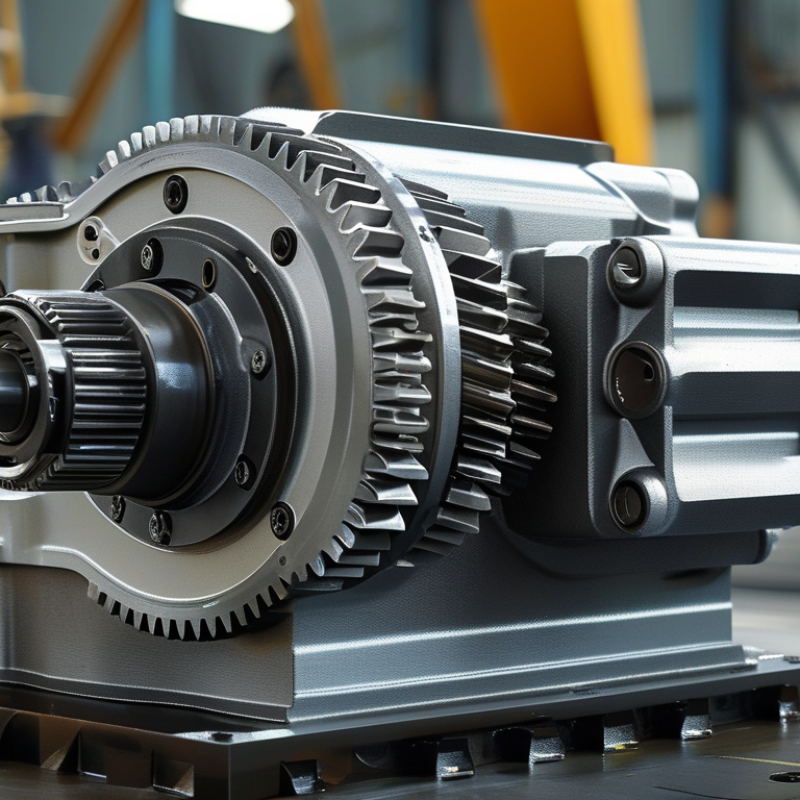
Top 10 Benefits of Using a 90 Degree Gearbox For Your Needs?

Understanding the Basics of 90 Degree Gearboxes and Their Functionality

A 90-degree gearbox is a mechanical device that redirects power at a right angle, allowing for compact designs. These gearboxes are commonly used in various applications, including robotics, conveyors, and industrial machinery. Their ability to change the direction of rotational motion makes them crucial for many systems. Understanding their functionality is essential for effective design and application.

These gearboxes consist of several components, including gears, housing, and bearings. The gears can vary in size and shape, impacting the torque and speed output. When selecting a 90-degree gearbox, one must consider load requirements and space constraints. Getting this right ensures optimal performance in your machinery. However, users often overlook maintenance needs. Regular checks can prevent significant failures and extend the lifespan of the gearbox, but these tasks can be easily neglected.

Moreover, while 90-degree gearboxes offer efficiency, they can sometimes create complexity. The high level of precision required during installation can be challenging. Misalignments may lead to increased wear and tear. Understanding these potential pitfalls is vital for anyone interested in implementing a 90-degree gearbox into their system. Addressing these issues head-on can result in better functional outcomes.

Key Advantages of 90 Degree Gearboxes for Mechanical Transmission

When it comes to mechanical transmission, 90-degree gearboxes stand out for their unique advantages. These compact devices provide efficient power transfer in a variety of systems. Their design allows for a right-angle drive, which can save space in crowded machinery setups. This feature is particularly beneficial in tight industrial settings where every inch counts.

Moreover, 90-degree gearboxes can handle high torque loads effectively. Their robust construction ensures durability and reliability. Users often note that these gearboxes lead to smoother operation in machines, reducing wear and tear. However, it is essential to consider that not all applications may benefit from this design. In some cases, alternative gear configurations might offer better performance.

Another critical advantage is the versatility of 90-degree gearboxes. They can be utilized in different industries, from automotive to robotics. Their adaptability can sometimes be overshadowed by other gear types, leading to missed opportunities. Understanding the specific needs of your application will help you make the best choice. While 90-degree gearboxes offer many benefits, evaluating the complete system is essential for optimal performance.

Top 10 Benefits of Using a 90 Degree Gearbox For Your Needs

Benefit Description
Compact Design Requires less space compared to other gear arrangements, making it ideal for tight installations.
High Efficiency Provides efficient power transmission with minimal energy loss due to its gear arrangement.
Versatility Can be used in various applications, from industrial machines to automotive systems.
Smooth Operation Reduces vibration and noise during operation for a quieter mechanical environment.
Adjustable Gear Ratio Offers a range of gear ratios to meet specific speed and torque requirements.
Enhanced Durability Designed with robust materials to withstand harsh operating conditions.
Cost-Effective Provides long-term savings due to reduced maintenance and operational costs.
Easy Integration Easily combinable with various types of motors and drives for seamless installation.
Improved Load Handling Capable of handling high radial loads, making it suitable for heavy machinery.
Reduced Backlash Minimizes backlash, providing greater accuracy in applications requiring precise movement.

Impact of Space Efficiency in Applications Using 90 Degree Gearboxes

When it comes to space efficiency, using a 90-degree gearbox can significantly optimize operations. These gearboxes allow for compact designs, fitting seamlessly into tight spaces. In industries like robotics and automation, where every inch counts, this is a game-changer. By changing the direction of input and output, these gearboxes ensure that systems can be designed more flexibly.

However, achieving the perfect balance of power and space can be challenging. Not all applications might leverage the space savings optimally. Some users may find themselves needing additional components to make the gearbox fit their design perfectly. The compact nature of the gearbox might also lead to overheating in some scenarios. Designers must be mindful of potential heat buildup when operating at high loads, which can compromise efficiency.

Moreover, while smaller installations often lead to greater flexibility, one must consider the entire system's logistics. Can it handle the possible stress concentrations? Will maintenance be feasible in a tight space? These are critical questions that require careful thought before implementation. In short, while the advantages are clear, the potential pitfalls need reflection and careful planning.

Enhanced Torque and Speed Control with 90 Degree Gearbox Systems

The use of 90-degree gearbox systems offers significant advantages in torque and speed control. These gearboxes are designed to manage high torque loads while providing precise speed adjustments. According to a study by the Machinery and Equipment Manufacturers Association, systems utilizing 90-degree gearboxes can improve efficiency by up to 35%. This increase results from their unique design that reduces energy loss during transmission.

With advancements in technology, 90-degree gearboxes now feature enhanced durability and performance capabilities. For instance, a report from the International Journal of Mechanical Engineering highlights that these gearboxes can sustain higher shock loads without compromising performance. This durability is essential for various applications, from automotive to robotics, where performance and reliability are critical. However, users must choose the right specifications for their needs, as oversizing or undersizing a gearbox can lead to inefficiencies.

Moreover, while these gearboxes offer clear benefits, they can also present challenges. The cost versus performance ratio may not always favor initial investment. Understanding the specific requirements of your operations is vital. If miscalculations occur during installation or selection, it could lead to operational inefficiencies. Ultimately, engaging with engineering professionals can aid in selecting the ideal gearbox to ensure optimal performance.

Top 10 Benefits of Using a 90 Degree Gearbox

Applications Where 90 Degree Gearboxes Significantly Improve Performance

In various industries, 90-degree gearboxes play a crucial role in optimizing performance. Their compact design allows for efficient power transfer in tight spaces. A report from the Machinery Research Institute indicates that these gearboxes can improve mechanical efficiency by up to 95%. This efficiency is essential in applications such as robotics and industrial machines, where precise movement is vital.

In the automotive sector, 90-degree gearboxes enable better space utilization. They allow for innovative design layouts in vehicles, enhancing both functionality and aesthetics. A study revealed that automakers using these systems reported a 30% reduction in material costs due to decreased size requirements without sacrificing performance. Such advancements contribute to sustainability efforts within the industry.

However, not all applications experience seamless integration of 90-degree gearboxes. Issues like misalignment or inadequate lubrication can hinder performance. Regular maintenance is needed to address these challenges. Operators must be diligent in monitoring and adjusting components to ensure optimal function. While these gearboxes offer several advantages, ongoing evaluation helps mitigate potential drawbacks. This kind of detailed scrutiny is essential for maximizing the benefits they provide.

FAQS

: What is the main benefit of using a 90-degree gearbox?

: The main benefit is space efficiency. It allows for compact designs in tight spaces.

How does a 90-degree gearbox optimize operations?

It allows for flexible design by changing the direction of input and output.

What challenges come with using a 90-degree gearbox?

Achieving a balance of power and space can be difficult. Overheating may occur under high loads.

Why is maintenance a concern with compact gearboxes?

Tight spaces may make maintenance challenging. It’s essential to consider accessibility.

How can torque and speed control be enhanced?

90-degree gearboxes provide precise speed adjustments and manage high torque loads effectively.

What is a potential risk of not selecting the right gearbox size?

Oversizing or undersizing can result in operational inefficiencies. This may cost more in the long run.

Why should one reflect before implementing these gearboxes?

While advantages exist, potential pitfalls need careful planning and consideration.

How can users ensure they select the ideal gearbox?

Engaging with engineering professionals can help in choosing the correct specifications.

Are there efficiency improvements associated with 90-degree gearboxes?

Yes, they can improve efficiency by up to 35% due to reduced energy loss.

What should users be cautious of when using 90-degree gearboxes?

Be mindful of heat buildup and stress concentrations in the entire system's logistics.

Conclusion

A 90 Degree Gearbox is a crucial component in mechanical transmission systems, offering a unique solution for changing the direction of power transmission between shafts. Understanding its functionality reveals how these gearboxes efficiently convert rotational motion at a 90-degree angle, making them indispensable in various applications where space and design constraints are present.

The key advantages of using a 90 Degree Gearbox include improved space efficiency, allowing for compact designs without compromising performance. Additionally, they provide enhanced torque and speed control, enabling precise adjustments in movement. Such features make 90 Degree Gearboxes ideal for applications ranging from robotics to industrial machinery, where they significantly contribute to overall system efficiency and reliability.

Henry

Henry

Henry is a dedicated marketing professional with a profound expertise in the company's offerings. With years of experience in the industry, he possesses an impressive understanding of the market dynamics and consumer behaviors that drive success. Henry is committed to sharing his insights through......